Possible Canadian Norovirus outbreak linked to imported raspberries

The Canadian Food Inspection Agency (CFIA) is conducting a food safety investigation into the possible Norovirus contamination of products containing Individual Quick Frozen (IQF) raspberries.

At least one product recall has been triggered by findings emanating from a foodborne disease outbreak investigation.

In response to an inquiry from eFoodAlert, a CFIA spokesperson stated that the recall in question was associated with raspberries from Québec.

The Ministre d’Agriculture, Pêcheries et Alimentation de Québec (MAPAQ) has posted recall notices indicating the origin of the raspberries to be Chile.

As of June 5, 2019, the following recalls are in effect:

The current situation is reminiscent of a 2017 Norovirus outbreak that also was traced to imported IQF raspberries.

Between March 2017 and July 2017, the consumption of frozen raspberries imported from China was blamed for 615 confirmed cases of Norovirus in Québec. Many of the cases occured in seniors’ residences and child daycare centers.

Symptoms of Norovirus infection include nausea, vomiting and copious watery diarrhea, typically lasting from 24 to 60 hours in healthy adults.

Young children and the elderly are susceptible to severe dehydration. Approximately 1% of Norovirus victims may require hospitalization as a result of their illness.

Consumers who have purchased any of the recalled products should either discard them or return them to the place of purchase.

Recalls and Alerts: June 1 – 4, 2019

Here is today’s list of food safety recalls, product withdrawals, allergy alerts and miscellaneous compliance issues. The live links will take you directly to the official recall notices and company news releases that contain detailed information for each recall and alert.

If you would like to receive automatic email alerts for all new articles posted on eFoodAlert, please submit your request using the sidebar link.

United States

Food Safety Recall: The Coca-Cola Company recalls Suja Kombucha, Ginger Lemon (15.2 oz; Date code 06/25/19 UX; UPC 008-18617-02023-2), Suja Kombucha, Peach Ginger (15.2 oz; Date code 07/27/19 UX; UPC 008-18617-02034-8) and Suja Kombucha, Mixed Berries (15.2 oz; Date code 07/29/19 UX; UPC 008-18617-02036-2) due to foreign matter contamination.

Food Safety Recall: Publix at Lake Gibson Shopping Center recalls all ground beef and pork products (Sell by June 3, 2019) due to foreign matter (plastic or metal) contamination.

Canada

Allergy Alert (Update): T-Brothers Food And Trading Ltd. recalls certain Daesang brand rice seasoning mixes due to undeclared egg. Please refer to the recall notice for a complete list of affected products.

Allergy Alert: Seoul Trading Corporation recalls ChoripDong brand Frozen Par Fried Fish Cake (400g; Product code 2019.12.29; UPC 7 6189860521 9) due to undeclared egg.

Allergy Alert: Seoul Trading Corp. recalls certain Daesang brand rice seasoning mixes due to undeclared egg. Please refer to the recall notice for a complete list of affected products.

Food Safety Recall: MyChopChop recalls MyChopChop brand “Grounded Peper” (100g; All units sold up to and including June 3, 2019) due to Salmonella contamination.

Food Safety Recall: Marché Lambert IGA extra recalls certain ground meats and products containing ground meat due to foreign matter (metal) contamination. Please refer to the recall notice for a complete list of affected products.

Food Safety Recall: Ecoideas Innovations Inc. recalls Apricot Power brand Bitter Raw Apricot Seeds and Apricot Seed Meal due to natural toxin amygdalin. Excessive consumption may cause cyanide poisoning. Please refer to the recall notice for a complete list of affected products.

Food Safety Recall: Distribution Farinex (113712 Canada Inc.) recalls Gelsius brand IQF Raspberries (Frozen) (5 x 1 kg; Lot #002; Batch dates 06/06/2018 and 30/05/2018; UPC 01815703620 and 01815003620, respectively) due to Norovirus contamination. The recalled product was supplied to hotes, restaurants and institutions in New Brunswick, Newfoundland and Labrador, Nunavut, Ontario, and Quebec.

Food Safety Recall: Le Butterblume recalls SMOOTHIE AUX FRAMBOISES / Raspberry Smoothie (250 mL; Sold up to and including June 2, 2019) due to Norovirus contamination.

Europe

Allergy Alert (Germany): Wilhelm Kisker GmbH recalls Psenner Bombardino 18 % (0.7 L; Lot #18325) due to undeclared milk and egg.

Food Safety Recall (Belgium): Maisonie recalls Maisonie brand pudding à la vanille avec spéculoos / Vanilla pudding with spéculoos (a traditional Dutch and Belgium cookie, with spices like ginger, nutmeg, cinnamon and clover*) (130g; Lots 20192100 – 20192101- 20192102), due to Listeria monocytogenes contamination.

Food Safety Recall (Denmark): Midsona Danmark A/S recalls two types of urtekram rice cakes due to elevated arsenic levels. Please refer to the recall notice for a complete list of affected products.

Food Safety Recall (France): SODEBO recalls certain Toque du chef brand pizzas (470g) due to foreign matter (metal) contamination. Please refer to the recall notice for a complete list of affected products.

Food Safety Recall (France): Intermarché recalls Maredoc brand Moules Italie SAC (10kg; Lot 2107292; Pack date 28/05/2019) due to Paralytic Shellfish Poisoning.

Food Safety Recall (France): Carrefour recalls Filière Qualité Carrefour brand Barquettes de moules de corde (1.4 kg; Lot 10732947; Best before 06/06/2019) due to Paralytic Shellfish Poisoning.

Food Safety Recall (France): SODEBO recalls Sodebo brand PIZZA LA PIZZ Jambon Emmental Prix Choc (470g; Best before 02/06/2019) due to foreign matter (metal) contamination.

Food Safety Recall (France): SODEBO recalls Sodebo brand PIZZA LA PIZZ Jambon Emmental (470g; Best before 02/06/2019) due to foreign matter (metal) contamination.

Food Safety Recall (France): SODEBO recalls Sodebo brand PIZZA LA PIZZ Jambon Champignons de Paris (470g; Best before 02/06/2019) due to foreign matter (metal) contamination.

Food Safety Recall (France): SODEBO recalls Sodebo brand PIZZA LA PIZZ 4 fromages (470g; Best before 03/06/2019) due to foreign matter (metal) contamination.

Food Safety Recall (UK): Müller UK recalls Cadbury Dairy Milk Cheesecake (2 x 85g; Use by 5 June, 6 June, 11 June 2019) and Cadbury Dairy Milk Caramel Cheesecake (2 x 85g; Use by 5 June, 6 June, 11 June 2019) due to Listeria monocytogenes contamination.

Asia, Africa and the Pacific Islands

Food Safety Recall (Hong Kong): Etak International Ltd recalls Johnsonville brand JALAPEÑO CHEDDAR Smoked Sausage (14 oz; Best before June 9, 2019; Product of USA) due to foreign matter contamination.

Australia and New Zealand

Allergy Alert (Australia): Mobu Enterprises Pty Ltd trading as OLÉ Mexican Foods recalls La Banderita White Corn Street Tacos (Best Before 18/06/2019, 02/07/2019, 16/07/2019, 29/07/2019) due to undeclared gluten.

Food Safety Recall (New Zealand): Samurai Bowl recalls Samurai Bowl Miso Ramen, Samurai Bowl Spicy Miso, Samurai Bowl Original Ramen, and Samurai Bowl Tonketsu (820g; All batches and dates) due to possible Staphylococcus enterotoxin contamination.

*My thanks to Simone Hertzberger, Chief Editor of the Dutch Flemish Food Safety Newsletter for the information on spéculoos.

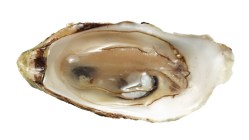
Dozens sick after eating raw oysters; Hog Island Oysters subject to recall

This story by Coral Beach first appeared in Food Safety News and is reposted here with permission

California officials have closed some commercial shellfish farming areas while they investigate an outbreak of norovirus that has sickened at least 44 people who reported eating raw oysters from Hog Island Oysters.

The company agreed to recall its “Sweetwater” and “Atlantic” oysters from a total of more than 40 restaurants and retailers in California, according to a notice posted by the California Department of Public Health (CDPH). The company did not appear to have any information about the recall or illnesses on its website as of last night. 

A spokesperson for the CDPH told Food Safety News that the source of the highly contagious norovirus had not been determined as of yesterday afternoon. It has, however, been confirmed that norovirus is responsible for the illnesses, as opposed to other foodborne pathogens. 

Marin County Environmental Health Services notified the state health department on Jan. 3 about reports of illnesses associated with the oysters. State investigators began looking for the cause and by 2:30 that afternoon they had closed all commercial shellfish growing areas in Tomales Bay.

“On Jan. 4, implicated product and future product distribution were determined and samples collected. The firm initiated a recall of the oysters and notified CDPH of that on Saturday, Jan. 5. CDPH started web posting on Monday, Jan. 7,” according to a department statement provided to Food Safety News.

State officials are aware of 44 people who ate Hog Island Oysters before becoming ill. None of those people have been admitted to hospitals. The sick people reported symptoms consistent with norovirus infection, which are primarily intense diarrhea, nausea and vomiting. Raw oysters are well-documented as a source of norovirus infections.

Infected foodservice workers can easily contaminate foods, utensils and dishes, kitchen surfaces and equipment. However, norovirus is known to survive in fresh and saltwater fish and shellfish. It has been found in species from farms and in the wild.

State officials will not allow commercial harvesting in the growing areas of Tomales Bay until further notice. Investigators continue to collect and review data. The state is working with local jurisdictions on the investigation.

A number of consumers have posted online reports about becoming sick after eating raw oysters from Hog Island Oysters on New Year’s Eve and in the first couple of days of January. Those reports include at least 29 being tracked by the website iwaspoisoned.com, according to Patrick Quade.

Quade, iwaspoisoned.com founder, said Monday there are reports of people becoming ill after eating raw oysters that were listed as being from Hog Island Oysters on menus at a restaurant in Grand Central Station in New York City. Those illnesses coincide with the timing of the California illnesses.

The list of restaurants and retailers in California where the suspect oysters were recalled is good information for consumers, but Quade said he doesn’t understand why there aren’t laws to compel food companies to post recall and outbreak information on their own websites.

“We do not know why some food companies do not post their recall notices on their website and social media channels. It is clearly the responsible thing to do, especially when lives are at stake. It reflects very badly on those companies who act in this way,” Quade said.

California officials said the U.S. Food and Drug Administration was notified of the outbreak on Jan. 4. The agency was notified of the recall on Jan. 8. As of Jan. 15, the FDA had not posted the company’s recall notice.