
Everything Sprouts recalls alfalfa sprouts fingered in Salmonella and E. coli outbreak

Products linked to 55 confirmed illnesses in 15 states

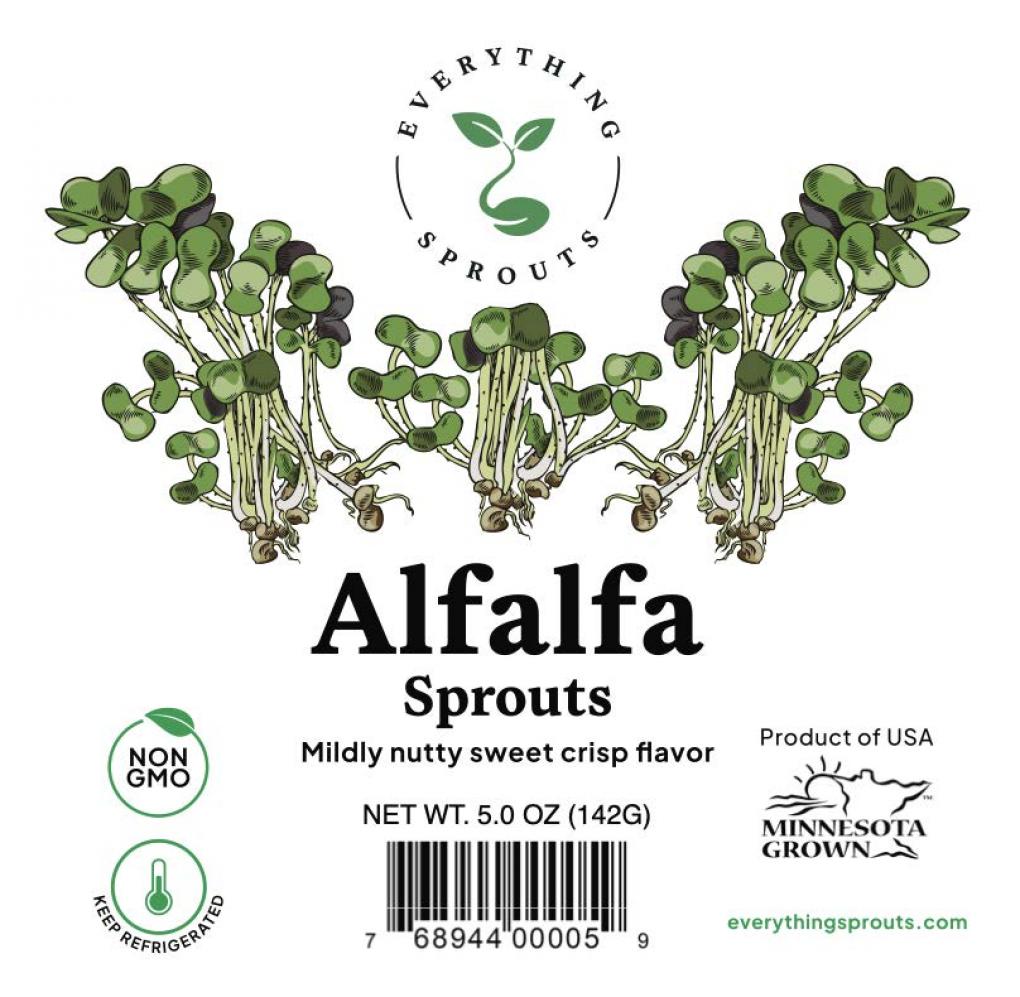
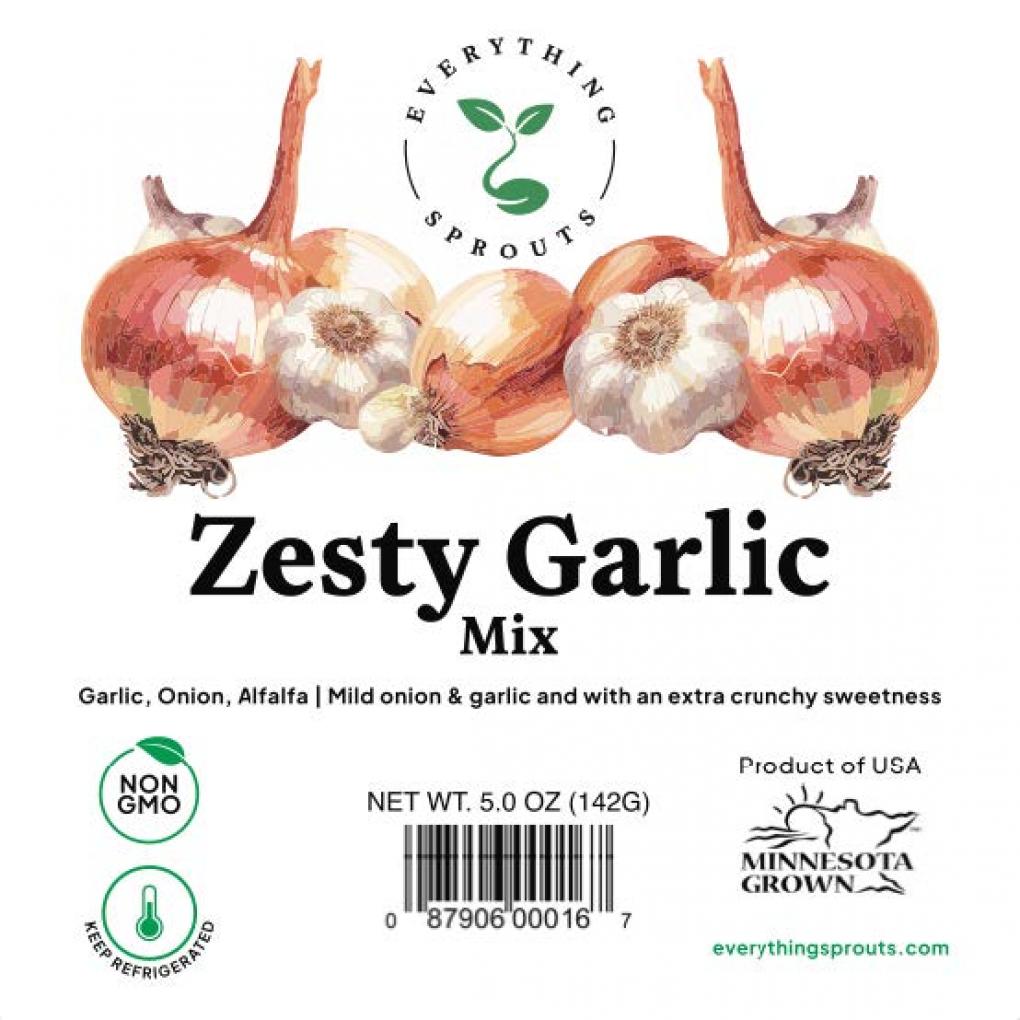
Everything Sprouts, LLC (Minneapolis, MN) is recalling multiple lot codes of three alfalfa sprout products after the company’s alfalfa sprouts were linked to an outbreak of Salmonella and shiga toxin-producing E. coli infections in 15 states.

The products were sold under the Everything Sprouts and Calco brand names, and were distributed from May 27, 2026 to August 21, 2026 to wholesale distributors and to grocery stores located in Minnesota and Wisconsin.

The following products are included in this recall:

  • Alfalfa Sprouts:- 5 oz plastic containers; Lots #222, 223, 225, 226, 230
  • Zesty Garlic Mix:- 5 oz cups; Lots #222, 223, 225, 226, 230
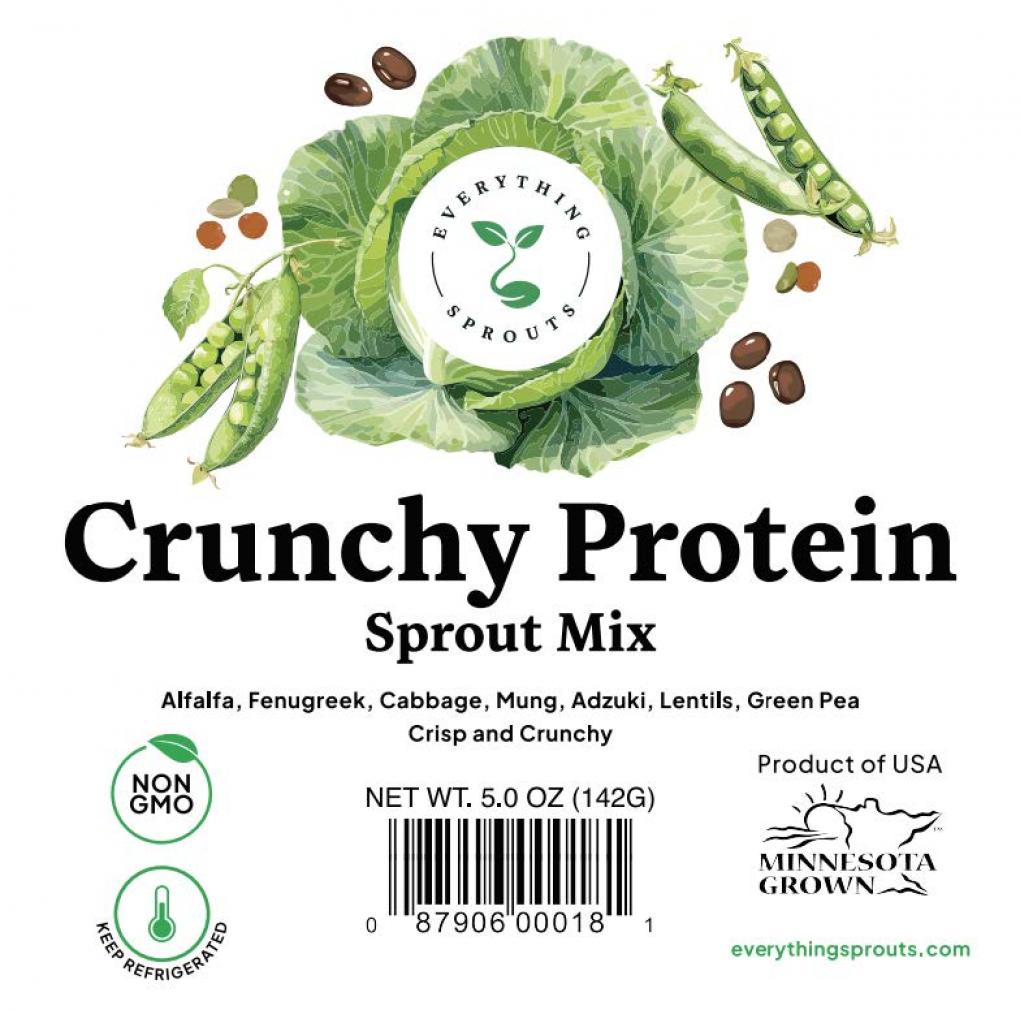
  • Crunchy Protein Sprout Mix:- 5 oz cups; Lots #222, 223, 226, 230

Between May 31st and August 8th, 2026, fifty-five people developed symptoms of gastrointestinal illnesses that were confirmed by lab tests to be due to an infection with either Salmonella Agona or one of three strains of shiga toxin-producing E. coli (O26:H11, O103:H25, and O168:H8). Forty-six people were infected with an E. coli strain, 7 people were infected with Salmonella, and 2 people were infected with both Salmonella and E. coli.

Four people have been hospitalized.

Of the 34 people interviewed as part of the outbreak investigation, 26 (76%) reported eating alfalfa sprouts in the week before becoming ill. Traceback information from Minnesota and Wisconsin restaurants where some of the outbreak victims had eaten identified alfalfa sprouts distributed by Everything Sprouts as a source of illness in this outbreak. 

Minnesota (21) and Wisconsin (17) account for the largest number of outbreak cases. The thirteen other states identified in the CDC report are: Florida (2), Indiana (1), Iowa (1), Kansas (1), Michigan (1), New Hampshire (1), New York (2), North Carolina (2), North Dakota (2), Pennsylvania (1), South Carolina (1), South Dakota (1), and Washington (1).

Everything Sprouts, LLC registered as a business entity in Minnesota in 2022 and purchased an existing sprouting facility in Minneapolis that had been in operation since 2009.

The facility had been inspected by the FDA several times between 2009 and 2021 while under its previous ownership, and had a record of unsatisfactory results, with problems ranging from inadequate plumbing to deficiencies in plant design and inadequate protections against product contamination. Except for the 2009 inspection, the facility was classified as “Voluntary Action Indicated” on each occasion.

In November 2023, with the sprouting facility now under new ownership, the FDA conducted another inspection. The inspectors documented multiple issues including:

  • not testing water quality using a scientifically valid method
  • no adequate written corrective action plan in the environmental monitoring program
  • absence of or inadquate measures to prevent contamination of produce and food contact surfaces
  • sanitizing food contact surfaces was not conducted as frequently as necessary to prevent produce contamination
  • inadequate storage and maintenance of equipment and tools

The results of the inspection were classified as “Voluntary Action Indicated.”

One year later, the FDA returned, and found that very little had changed. If anything, the situation at Everything Sprouts had gone downhill. Except for the testing method for water quality, every single deficiency observed during the 2023 inspection was still present. In addition, the FDA inspector documented a roof leak in the warehouse and another leak through the ceiling tiles in the middle of the production room, just four feet from the packaging tables. Water from the production room leak also was dripping onto totes of cooled, exposed mung bean sprouts. Condensation was dripping from the condenser unit inside the coolers storing mung bean sprouts.

Water leaks and condensation drips were not the only issues. Maintenance, cleaning, and sanitizing of food contact surfaces used to grow, harvest, pack or hold sprouts was inadequate. The inspector noted a build-up of black organic matter on the hose of the overhead irrigation system directly over exposed soy sprouts and a white build-up on the interier surface of plastic sheets enclosing the soy sprout growing cabins. The plastic sheets were ripped in several places and had been repaired with tape. The inspector observed sprouts adhering to the tape in multiple locations.

This inspection was classified “Official Action Indicated,” a category the FDA uses for its highest level of concern.

After several months of back-and-forth communications between the company and the FDA, the agency issued a Warning Letter on March 28, 2025. The letter detailed the outstanding issues, and required a response from the company within fifteen working days, specifying how each of the remaining issues had been addressed.

As far as the FDA’s inspection database shows, the agency never returned to Everything Sprouts to determine whether the violative outstanding issues had been corrected.

The FDA initiated an inspection of the sprouting facility, including sample collection, on August 19, 2026. The agency, together with the CDC and state partners, is also continuing its investigation to determine the source of the contamination and whether additional products or firms are implicated in the outbreak. It is possible, for example, that the seeds used to grow the sprouts were contaminated to begin with, and may have been supplied to more than one sprouting operation.

Meanwhile, the FDA offers the following recommendations.

  • Do not eat, sell, or serve alfalfa sprouts sold under the Calco and Everything Sprouts brands.
  • Check your refrigerators and freezers for Calco and Everything Sprouts-brand alfalfa sprouts and throw them away or return the product to the place of purchase. If you froze a product without the original packaging and can’t tell if it’s part of the affected sprouts, throw it away.   
  • Consumers, restaurants, retailers, and foodservice customers who purchased or received Calco and Everything Sprouts-brand alfalfa sprouts, including wholesale products, should carefully clean and sanitize any surfaces or containers that it touched. Follow FDA’s safe handling and cleaning advice to reduce the risk of cross-contamination.
  • Retailers that received Calco and Everything Sprouts-brand alfalfa sprouts and repackaged them for individual sale should not sell them and should remove the products from the market. 
  • Consult your health care provider immediately if you ate Calco and/or Everything Sprouts-brands alfalfa sprouts and have any symptoms that resemble an STEC or Salmonella infection.

To these official recommendations, I would add one more, based on a half-century of following foodborne disease outbreaks.

DO NOT eat raw sprouts of any sort. The risk is too high.


TAINTED formats 3
“Reads like a true crime novel” – Food Safety News

Interested in learning more about food safety and the history of foodborne disease outbreaks and investigations?

Click on the link to listen to a short excerpt, then follow the buy links to add a digital, print or audio copy to your personal library.

Chapter 6. Birth of a Pathogen

431 people sick, 57 hospitalized in 32 states courtesy of contaminated jalapeños

53,760 cases of Mexican jalapeño peppers recalled

August 20, 2026

Jalapeño peppers grown in Sinaloa, Mexico, have now been linked to 431 lab-confirmed cases of salmonellosis across 32 US states, according to an update released by the CDC on August 19, 2026.

Fifty-seven people have been hospitalized.

On July 22, 2026, Coast Citrus Distributors recalled 53,760 cases of jalapeño peppers. The peppers were distributed primarily to wholesale distributors in the central and east coast states, according to information released by the FDA on August 18, 2026. The recall covered all product with a pack date of 07/01/2026 through 07/31/2026.

The recall has been classified as a Class I recall, which is defined by the FDA as “…a situation in which there is a reasonable probability that the use of, or exposure to, a violative product will cause serious adverse health consequences or death.”

The recall issued by Coast Citrus triggered a raft of follow-on recalls from multiple supermarket chains, food processors, and distributors. A list of those recalls can be found on the FDA and USDA websites.

The CDC’s timeline of reported illness onset dates for this outbreak stretches from June 19, 2026 through to August 2, 2026. The agency warns that it usually takes 3 to 4 weeks from the time an illness occurs until the time it is confirmed to be part of the outbreak. Therefore, recent illnesses likely are not yet included in the total number of confirmed cases.

Of the 32 states reporting outbreak cases, two states account for more than half (57%) of the illnesses: Minnesota (129 cases) and Colorado (118 cases).

The presence of Colorado near the top of the list of states is both surprising and disturbing for two reasons. First of all, Colorado is not a central state by most definitions. According to the US Census Bureau, Colorado is a western state and Coast Citrus claims to have not distributed any of the recalled peppers to western states. Also, none of the follow-on recalls listed on the FDA or USDA websites list Colorado among the states that received recalled jalapeños.

What has been missed in the traceback and traceforward investigations?

On July 28, 2026, the Colorado Department of Public Health and Environment alerted residents of the state to significant increase in the number of reported Salmonella illnesses (more than 250 during the month of July). At the time of the alert, investigators had not confirmed a specific food, restaurant, supplier, or other source for the unusual number of illnesses.

Stay tuned.


TAINTED formats 3
“Reads like a true crime novel” – Food Safety News

Interested in learning more about food safety and the history of foodborne disease outbreaks and investigations?

Click on the link to listen to a short excerpt, then follow the buy links to add a digital, print or audio copy to your personal library.
Chapter 6. Birth of a Pathogen

Taylor Farms de Mexico recalled 236,192 CASES of lettuce

Three weeks after the July 17, 2026 recall of iceberg lettuce linked to this summer’s massive Cyclospora outbreak(s), we finally know more about the scope of the recall, thanks to the release of the first FDA Enforcement Report.

Specifically, we have learned that the recall encompassed 236,192 cases of produce (consisting of iceberg lettuce and salad mixes), and we know the primary links in the supply chain.

Almost one-half of the recalled product (109,476 cases) was supplied to Walmart under its Marketside brand.

Approximately 19,000 cases were supplied directly to restaurant chains:

  • Subway received 8,075 cases
  • Jack In the Box received 5,130 cases
  • Yum! (owners of Taco Bell, KFC, and Pizza Hut) received 5,900 cases

The remaining 107,611 cases were distributed to foodservice entities, including:

  • US Foods: (Cross Valley Farms brand): 19,016 cases
  • Markon: 7,459 cases
  • Performance Food Service (Peak Fresh Produce brand): 720 cases
  • Sysco: 11,519 cases
  • Taylor Farms: 68,897 cases

The lettuce and salad mixes supplied to foodservice entities would have been distributed, either directly or through intermediaries, to restaurants, catering operations, hospitals, longterm care facilities, and so forth.

Only 2.5% of the recalled lettuce was supplied to Taco Bell and other members of the YUM! family of restaurant chains.

The July 17th Taylor Farms de Mexico recall included products distributed from June 29th through July 16th, with Best If Used By dates of 7/16/26 through 8/3/26. The CDC‘s current start date for the Taylor Farms lettuce outbreak is June 22nd.

Both the company and the FDA have been silent on the distribution pattern of Taylor Farms de Mexico lettuce distributed PRIOR TO June 29th. We do not know whether the earlier batches of lettuce were supplied to the same consignees in the same proportions as the recalled batches.

Once again, we are left guessing.

And this is what sticks in my craw.

Taylor Farms de Mexico knows where all of its lettuce was shipped. The FDA should also know where that lettuce was shipped. Why is this information being withheld from consumers?

For that matter, why did FDA wait three weeks to inform the public which companies received the recalled lettuce? It wasn’t a secret. Alabama released the information on July 20th.

The current administration promised “radical transparency.” So far, all we have seen is smoke and mirrors.


TAINTED formats 3
“Reads like a true crime novel” – Food Safety News

Interested in learning more about food safety and the history of foodborne disease outbreaks and investigations?

Click on the link to listen to a short excerpt, then follow the buy links to add a digital, print or audio copy to your personal library.
Chapter 6. Birth of a Pathogen