

9-state E. coli outbreak linked to raw milk cheese

8 hospitalized, 3 with HUS
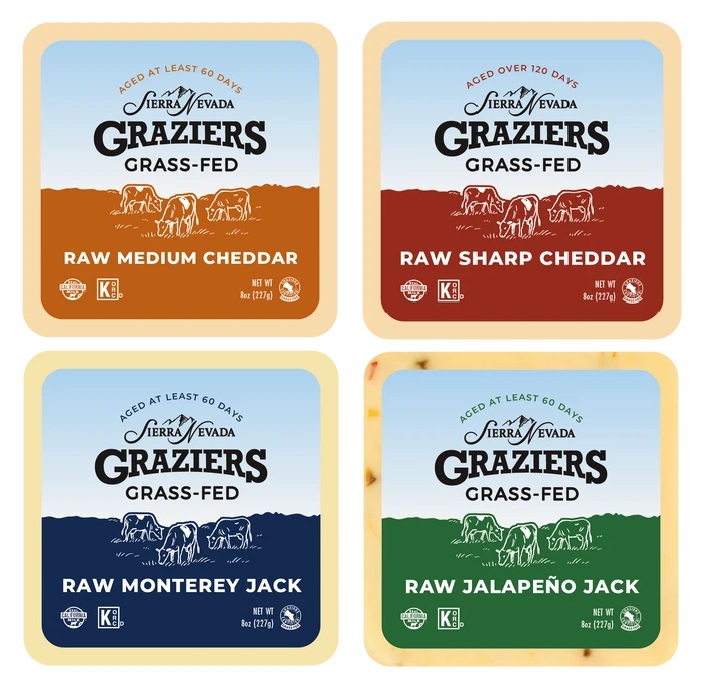
Thirteen people have become infected with shiga toxin-producing E. coli O26:H11 after consuming Graziers raw milk cheeses made and sold by the Sierra Nevada Cheese Company.

More than one half of the thirteen victims are children 5 years old and younger, according to the CDC.

The outbreak has been percolating since early July of this year, with the first victim developing symptoms on July 7th.

The raw milk cheese implicated in the outbreak was distributed across the United States. When contacted by the FDA, the company agreed to recall several varieties of cheese and posted a notice on social media and is cooperating with the FDA’s ongoing investigation.

Outbreak cases have been reported in California (3), Colorado (1), Georgia (1), Kentucky (1), Michigan (1), Nevada (3), Oregon (1), Tennessee (1), and Utah (1). Two of the three California victims live in San Diego County and are less than five years old.

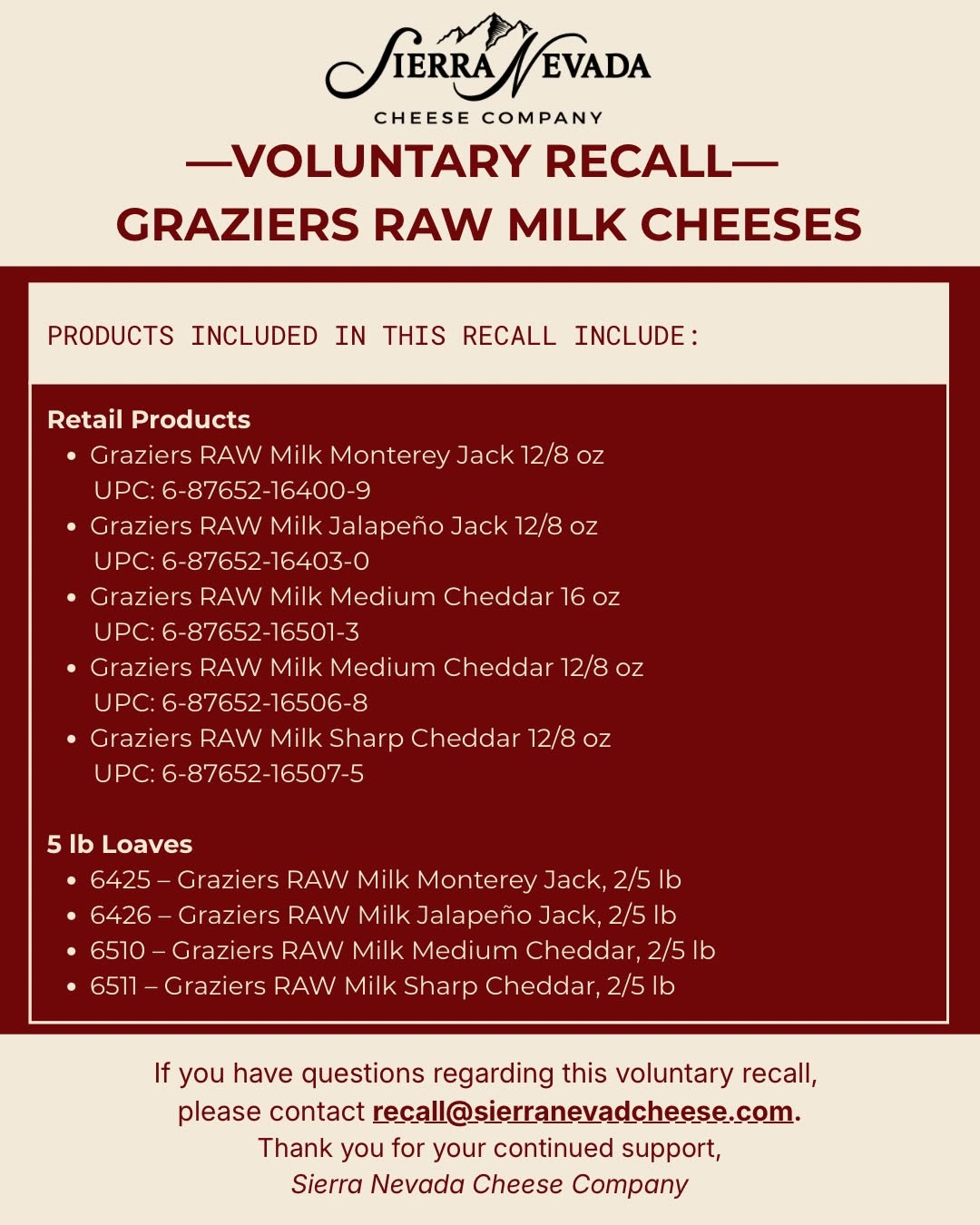
Although the outbreak appears to be associated with Graziers Raw Milk Medium Cheddar, the company has recalled all Graziers Raw Milk cheeses, as indicated in this recall notice posted on the company’s Facebook page.
This is the second multistate outbreak linked to consumption of raw milk cheeses this year, and the third since 2024.

In March 2026, the CDC notified the public of an outbreak of E. coli O157:H7 infections in three states. Those cases were linked to consumption of raw cheddar cheese and raw milk from Raw Farm, LLC, a California dairy. Raw cheddar cheese from the same dairy was also linked to a five-state outbreak of E. coli O157:H7 in 2024.

Although cheeses from Sierra Nevada Cheese Company have not been linked to an illness outbreak in the past, a specific lot code of the company’s raw goat milk cheese was the subject of a California-wide recall and quarantine order in August 2025 after the state found Listeria monocytogenes in a sample of the cheese.

Consuming cheese made from raw (unpasteurized) milk bears a heightened risk of foodborne illnesses, including those caused by Salmonella, Listeria monocytogenes, and shiga toxin-producing E. coli. Aging a cheese for six months is not a “kill step,” and does not eliminate the risk.

Children, especially those under the age of five years, pregnant women, the elderly, and immunocompromised individuals are at an elevated risk of serious illness as a result of a foodborne disease, and should avoid consuming raw dairy products, including raw milk cheeses.

  • Do not eat, serve, or sell recalled Sierra Nevada Graziers grass-fed raw milk cheeses (medium cheddar, sharp cheddar, jalapeno jack, or Monterey jack varieties). Consumers who purchased recalled cheese may return it to the place of purchase for a refund.
  • This product has a long shelf life. Check your refrigerators and freezers for the recalled raw milk cheeses and throw them away. If you refrigerated or froze cheese without the original packaging and can’t tell if it’s part of the recall, throw it away.   
  • Consumers, restaurants, retailers, and foodservice customers who purchased or received recalled raw milk cheese, including wholesale products, should carefully clean and sanitize any surfaces or containers that it touched. Follow FDA’s safe handling and cleaning advice to reduce the risk of cross-contamination.
  • Retailers that received recalled product and repackaged it for individual sale should not sell it and remove the product from the market.  
  • Consult your health care provider immediately if you ate recalled this brand of cheese and have any symptoms of an E. coli infection.

TAINTED formats 3
“Reads like a true crime novel” – Food Safety News

Interested in learning more about food safety and the history of foodborne disease outbreaks and investigations?

Click on the link to listen to a short excerpt, then follow the buy links to add a digital, print or audio copy to your personal library.

Chapter 6. Birth of a Pathogen

Everything Sprouts recalls alfalfa sprouts fingered in Salmonella and E. coli outbreak

Products linked to 55 confirmed illnesses in 15 states

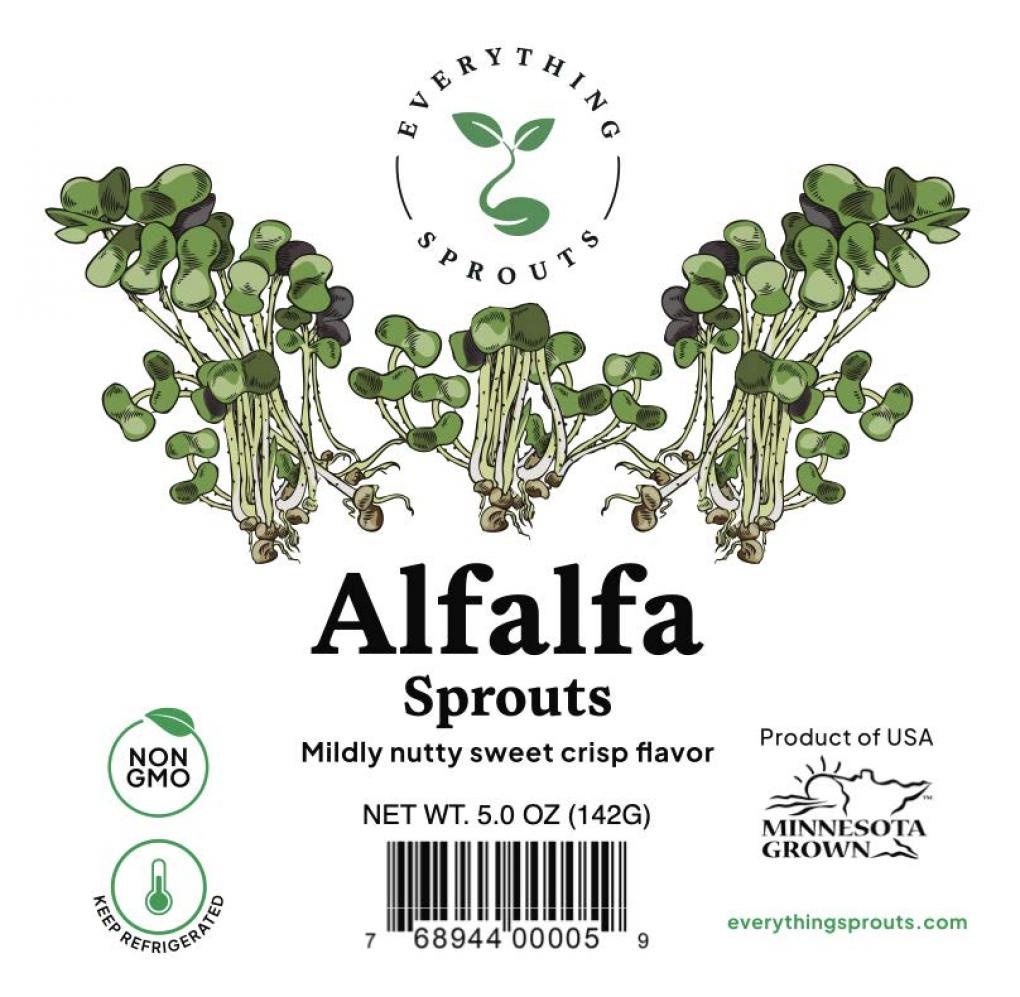
Everything Sprouts, LLC (Minneapolis, MN) is recalling multiple lot codes of three alfalfa sprout products after the company’s alfalfa sprouts were linked to an outbreak of Salmonella and shiga toxin-producing E. coli infections in 15 states.

The products were sold under the Everything Sprouts and Calco brand names, and were distributed from May 27, 2026 to August 21, 2026 to wholesale distributors and to grocery stores located in Minnesota and Wisconsin.

The following products are included in this recall:

  • Alfalfa Sprouts:- 5 oz plastic containers; Lots #222, 223, 225, 226, 230
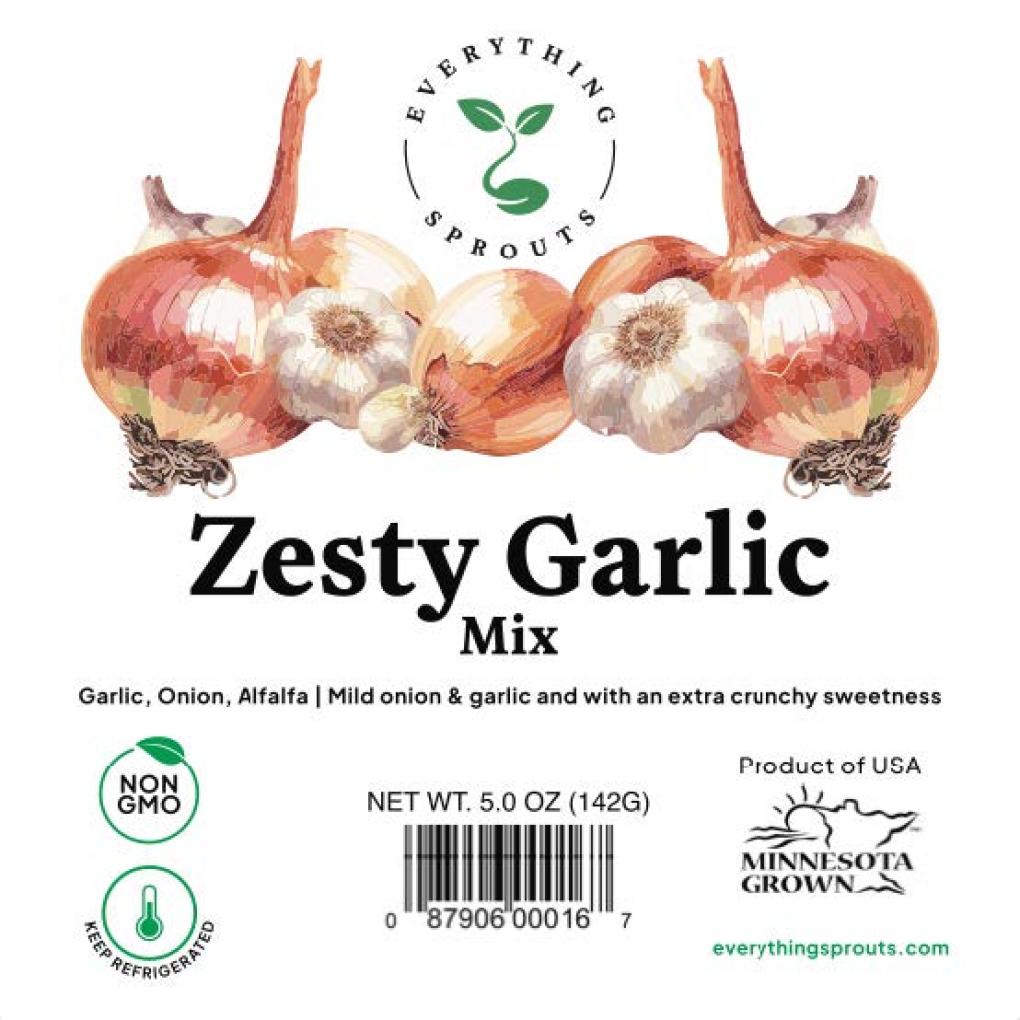
  • Zesty Garlic Mix:- 5 oz cups; Lots #222, 223, 225, 226, 230
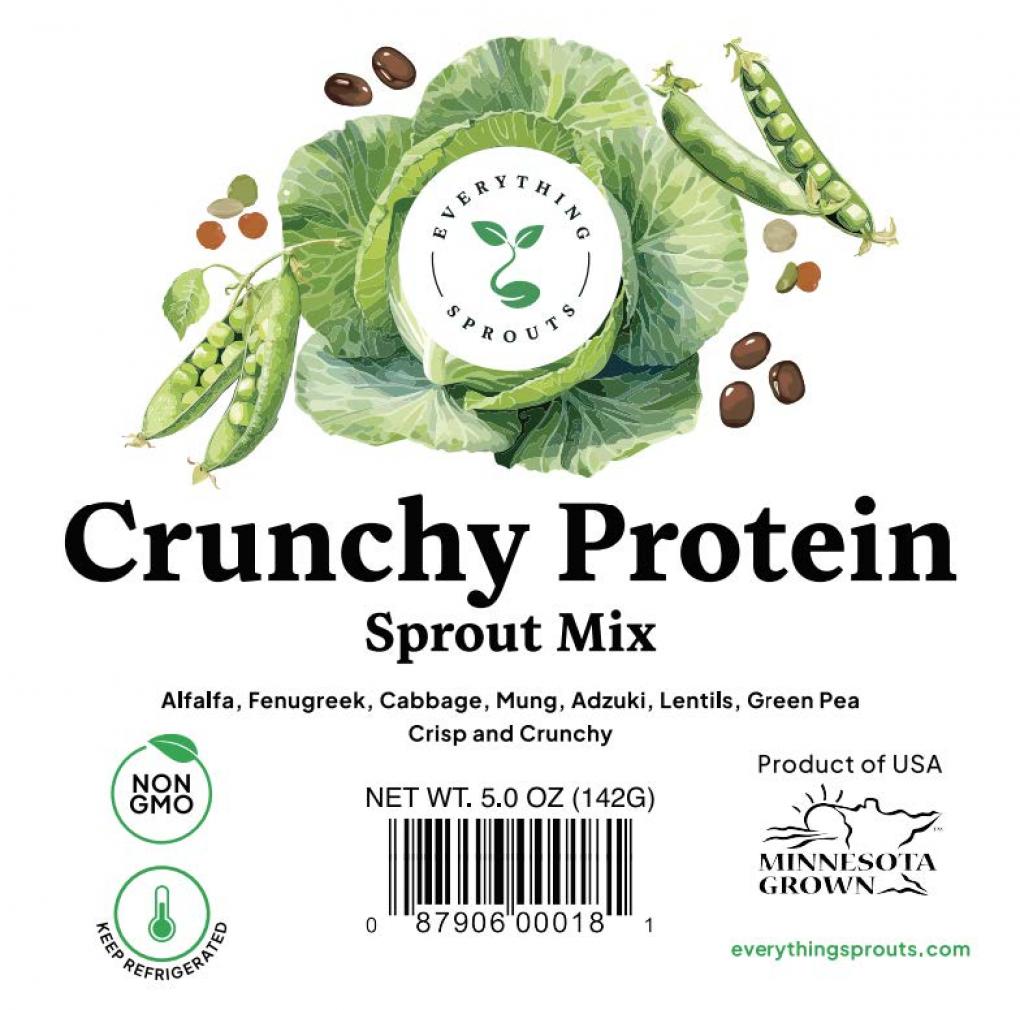
  • Crunchy Protein Sprout Mix:- 5 oz cups; Lots #222, 223, 226, 230

Between May 31st and August 8th, 2026, fifty-five people developed symptoms of gastrointestinal illnesses that were confirmed by lab tests to be due to an infection with either Salmonella Agona or one of three strains of shiga toxin-producing E. coli (O26:H11, O103:H25, and O168:H8). Forty-six people were infected with an E. coli strain, 7 people were infected with Salmonella, and 2 people were infected with both Salmonella and E. coli.

Four people have been hospitalized.

Of the 34 people interviewed as part of the outbreak investigation, 26 (76%) reported eating alfalfa sprouts in the week before becoming ill. Traceback information from Minnesota and Wisconsin restaurants where some of the outbreak victims had eaten identified alfalfa sprouts distributed by Everything Sprouts as a source of illness in this outbreak. 

Minnesota (21) and Wisconsin (17) account for the largest number of outbreak cases. The thirteen other states identified in the CDC report are: Florida (2), Indiana (1), Iowa (1), Kansas (1), Michigan (1), New Hampshire (1), New York (2), North Carolina (2), North Dakota (2), Pennsylvania (1), South Carolina (1), South Dakota (1), and Washington (1).

Everything Sprouts, LLC registered as a business entity in Minnesota in 2022 and purchased an existing sprouting facility in Minneapolis that had been in operation since 2009.

The facility had been inspected by the FDA several times between 2009 and 2021 while under its previous ownership, and had a record of unsatisfactory results, with problems ranging from inadequate plumbing to deficiencies in plant design and inadequate protections against product contamination. Except for the 2009 inspection, the facility was classified as “Voluntary Action Indicated” on each occasion.

In November 2023, with the sprouting facility now under new ownership, the FDA conducted another inspection. The inspectors documented multiple issues including:

  • not testing water quality using a scientifically valid method
  • no adequate written corrective action plan in the environmental monitoring program
  • absence of or inadquate measures to prevent contamination of produce and food contact surfaces
  • sanitizing food contact surfaces was not conducted as frequently as necessary to prevent produce contamination
  • inadequate storage and maintenance of equipment and tools

The results of the inspection were classified as “Voluntary Action Indicated.”

One year later, the FDA returned, and found that very little had changed. If anything, the situation at Everything Sprouts had gone downhill. Except for the testing method for water quality, every single deficiency observed during the 2023 inspection was still present. In addition, the FDA inspector documented a roof leak in the warehouse and another leak through the ceiling tiles in the middle of the production room, just four feet from the packaging tables. Water from the production room leak also was dripping onto totes of cooled, exposed mung bean sprouts. Condensation was dripping from the condenser unit inside the coolers storing mung bean sprouts.

Water leaks and condensation drips were not the only issues. Maintenance, cleaning, and sanitizing of food contact surfaces used to grow, harvest, pack or hold sprouts was inadequate. The inspector noted a build-up of black organic matter on the hose of the overhead irrigation system directly over exposed soy sprouts and a white build-up on the interier surface of plastic sheets enclosing the soy sprout growing cabins. The plastic sheets were ripped in several places and had been repaired with tape. The inspector observed sprouts adhering to the tape in multiple locations.

This inspection was classified “Official Action Indicated,” a category the FDA uses for its highest level of concern.

After several months of back-and-forth communications between the company and the FDA, the agency issued a Warning Letter on March 28, 2025. The letter detailed the outstanding issues, and required a response from the company within fifteen working days, specifying how each of the remaining issues had been addressed.

As far as the FDA’s inspection database shows, the agency never returned to Everything Sprouts to determine whether the violative outstanding issues had been corrected.

The FDA initiated an inspection of the sprouting facility, including sample collection, on August 19, 2026. The agency, together with the CDC and state partners, is also continuing its investigation to determine the source of the contamination and whether additional products or firms are implicated in the outbreak. It is possible, for example, that the seeds used to grow the sprouts were contaminated to begin with, and may have been supplied to more than one sprouting operation.

Meanwhile, the FDA offers the following recommendations.

  • Do not eat, sell, or serve alfalfa sprouts sold under the Calco and Everything Sprouts brands.
  • Check your refrigerators and freezers for Calco and Everything Sprouts-brand alfalfa sprouts and throw them away or return the product to the place of purchase. If you froze a product without the original packaging and can’t tell if it’s part of the affected sprouts, throw it away.   
  • Consumers, restaurants, retailers, and foodservice customers who purchased or received Calco and Everything Sprouts-brand alfalfa sprouts, including wholesale products, should carefully clean and sanitize any surfaces or containers that it touched. Follow FDA’s safe handling and cleaning advice to reduce the risk of cross-contamination.
  • Retailers that received Calco and Everything Sprouts-brand alfalfa sprouts and repackaged them for individual sale should not sell them and should remove the products from the market. 
  • Consult your health care provider immediately if you ate Calco and/or Everything Sprouts-brands alfalfa sprouts and have any symptoms that resemble an STEC or Salmonella infection.

To these official recommendations, I would add one more, based on a half-century of following foodborne disease outbreaks.

DO NOT eat raw sprouts of any sort. The risk is too high.


TAINTED formats 3
“Reads like a true crime novel” – Food Safety News

Interested in learning more about food safety and the history of foodborne disease outbreaks and investigations?

Click on the link to listen to a short excerpt, then follow the buy links to add a digital, print or audio copy to your personal library.
Chapter 6. Birth of a Pathogen

Recalls and Alerts: March 20, 2026

eFoodAlert posts links to recalls for English-language countries only. If you are interested in recall information for other countries (including EU-member countries), please click on the Recall Link menu, above.

The live links in this post will take you directly to the official recall notices and company news releases that contain detailed information for each recall and alert.

If you would like to receive automatic email alerts for all new articles posted on eFoodAlert, please submit your request using the sidebar link.

Advertisements

TAINTED formats 3
“Reads like a true crime novel” – Food Safety News

Interested in learning more about food safety and the history of foodborne disease outbreaks and investigations?

Click on the link to listen to a short excerpt, then follow the buy links to add a digital, print or audio copy to your personal library.
Chapter 6. Birth of a Pathogen

Outbreak/Illness Investigations

CANADA (Final Update): The Public Health Agency of Canada has closed its investigation into a 30-case outbreak of E. coli O26:H11 infections in seven provinces. The outbreak was traced to Pillsbury brand Pizza Pops. Eight of the 30 victims were hospitalized, but there were no deaths. Outbreak illnesses occurred beginning in September 2025 and continuing to the first week of January 2026.

Advertisements

United States

No Alerts

Canada

No Alerts

Advertisements

Ireland and United Kingdom

Allergy Alert (Ireland): Trade recalls Savana Dried Apricots (200g; Batch code 160823; Best before 12/11/26; Product of Turkey) due to undeclared sulphur dioxide.

Food Safety Recall (Ireland): Dunnes Stores recalls Dunnes Stores Plain Tortilla Wraps (512g; Best before 29/5/2026, 30/5/2026 and 31/5/2026; Product of Netherlands) due to possible foreign matter contamination (metal pieces).

Food Safety Recall (UK): Dunnes Stores recalls Dunnes Stores 8 Plain Tortilla Wraps (512g; All best before dates between 29 May 2026 and 31 May 2026) due to possible foreign matter contamination (metal pieces).

Hong Kong and Singapore

Allergy Alert (Singapore): Tai Sun (Lim Kee) Food Industries Pte Ltd recalls Pineapple Slices (400g; Best before 30/07/2026) due to undeclared sulphur dioxide.

Australia and New Zealand

Allergy Alert (Australia): Taralinga Estate recalls Dukkah (50g; All batches) due to undeclared cashew.

Allergy Alert (Australia): Fed Group Pty Ltd t/a Get Fed recalls Chipotle Pulled Pork Bowl (359g; Use by 22 MAR 2026 and 25 MAR 2026) due to undeclared egg.

Advertisements


“A complete and compelling account of the hidden and not-so-hidden ways the food we give our beloved pets can be contaminated.” – JoNel Aleccia, Health Reporter, Food & Nutrition, The Associated Press.

“An invaluable resource for busy pet owners” – Food Safety News