Recalls and Alerts: September 14–16, 2025

eFoodAlert posts links to recalls for English-language countries only. If you are interested in recall information for other countries (including EU-member countries), please click on the Recall Link menu, above.

The live links in this post will take you directly to the official recall notices and company news releases that contain detailed information for each recall and alert.

If you would like to receive automatic email alerts for all new articles posted on eFoodAlert, please submit your request using the sidebar link.


TAINTED formats 3
“Reads like a true crime novel” – Food Safety News

Interested in learning more about food safety and the history of foodborne disease outbreaks and investigations?

Click on the link to listen to a short excerpt, then follow the buy links to add a digital, print or audio copy to your personal library.

Chapter 6. Birth of a Pathogen

Outbreak/Illness Investigations

AUSTRIA (Update): Austrian Agency for Health and Food Safety (AGES) is investigating an outbreak of 49 cases of illnesses caused by Salmonella Kenya. Cases have been reported in all federal states of Austria. Fifteen people have been hospitalized.

CANADA: PHAC is investigating an outbreak of 27 cases of Salmonella Oranienburg illnesses linked to contact with dog food and/or dog treats. Six people have been hospitalized. A common source or supplier of the dog food or dog treats has not been identified.

CANADA (Update): PHAC continues its investigation into a Salmonella outbreak linked to pistachios and pistachio products. As of September 15, 2025, five provinces have reported a total of 79 lab-confirmed outbreak cases, including: British Columbia (5), Manitoba (1), Ontario (17), Quebec (55), and New Brunswick (1). Eleven of the outbreak victims have been hospitalized. The outbreak encompasses multiple Salmonella strains, including: Salmonella Havana, Salmonella Mbandaka, Salmonella Meleagridis, and Salmonella Tennessee. CFIA has posted a list of product recalls associated with this outbreak investigation.

DENMARK (Update): The Staten Serum Institut has traced an outbreak of five cases of Listeria monocytogenes to fish cakes produced by Tenax Sild A/S. The manufacturer has recalled several varieties of the product.

United States

Food Safety Recall: Sprout Organics recalls Sprout Organics® Sweet Potato Apple and Spinach (3.5 oz; Lot 4212; Expiration date 10/29/2025) due to elevated lead.

Food Safety Recall: PRIMO NO. 1 IN PRODUCE, INC recalls five cucumber products due to Salmonella contamination.

Food Safety Recall: Quality Poultry & Seafood, Inc. recalls approximately 98,916 pounds of catfish fillet products that were produced without the benefit of federal inspection.

Canada

No Alerts

Advertisements

Ireland and United Kingdom

Allergy Alert (UK): Spoon Cereals recalls Cinnamon + Pecan Granola (400g; Best before 22 May 2026 and 26 May 2026) due to undeclared oats (gluten) and peanuts.

Allergy Alert (UK): Farmfoods recalls Farmfoods Chicken & Spinach Pasta (350g; Batch codes L5192B05D, L5192C05D, L5193C05D, L5193A05D, and L5193B05D; Best before January 2027) due to undeclared crustaceans, fish and molluscs.

Hong Kong and Singapore

No Alerts

Australia and New Zealand

Allergy Alert (Australia): Kaisi Australia Holdings Pty Ltd recalls Gong Sugar Crisp/Gong Sugar Cookies (Sesame Flavour) (100g; All date markings) due to undeclared peanuts.

Food Safety Recall Update (New Zealand): Vimms Enterprise Limited recalls Deep brand Green Garlic (340g; Use by 29 NOV 2026) due to possible Salmonella contamination.

Advertisements


“A complete and compelling account of the hidden and not-so-hidden ways the food we give our beloved pets can be contaminated.” JoNel Aleccia, Health Reporter, Food & Nutrition, The Associated Press.

“An invaluable resource for busy pet owners” – Food Safety News

Canadian Salmonella outbreak blamed on unspecified dog food / dog treats

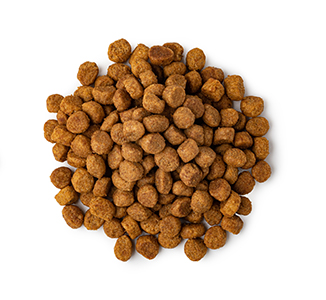
The Public Health Agency of Canada (PHAC) is alerting residents to an outbreak of Salmonella Oranienburg infections linked to contact with dog food and dog treats.

The PHAC has received reports of 27 laboratory-confirmed cases spread across four provinces and territories: Alberta (13), British Columbia (12), Ontario (1), and Northwest Territories (1).

Six people have been hospitalized.

Outbreak victims range from 0 to 87 years of age, and became sick between mid-February and mid-August 2025. There have been no deaths.

Although many of the victims reported handling dog food and treats prior to becoming ill, including kibble and dehydrated and freeze-dried treats, a common source or supplier has not been identified as yet.

Unlike the United States, the United Kingdom, and member countries of the European Union, Canada does not regulate or monitor the microbiological safety of pet foods or pet treats made in Canada for domestic consumption.

Only those Canadian-made pet foods/treats manufactured for export are subject to regulation.

The PHAC has investigated a number of outbreaks of human illness linked to pets, pet foods and pet treats in the past, including illnesses linked to raw pet foods, kibble, pet treats, and feeder rodents for snakes.

This outbreak investigation is ongoing.

To reduce your risk of becoming ill from contact with a dog, their food or treats, the PHAC recommends the following actions:

  • Always wash your hands thoroughly with soap and water immediately after handling any type of dog food or treat.
  • Teach children to wash their hands thoroughly, with soap and water, every time after touching dogs, their food or treats. 
  • Wash and sanitize any containers, utensils and surfaces that have come into contact with dog food or treats before using them again. This includes food and water bowls, countertops, microwaves and refrigerators.
  • Use dedicated dishes and utensils to serve your dog and wash them separately from other dishes and utensils.
  • Store all dog food and treats away from where human food is stored or prepared and away from reach of young children. Pick up food and treats containers when your pet is done with them.
  • Follow storage instructions found on the packaging of dog  food and treats, including proper refrigeration and freezing if needed, to prevent them from becoming spoiled.
  • Read the labels on dog food and treats to learn about the ingredients, the product’s expiry date, and if the food is cooked or raw. Raw pet food and treats may be fresh, frozen, dehydrated or freeze-dried. 
  • Wash your hands after contact with a dog and after handling their waste.


“A complete and compelling account of the hidden and not-so-hidden ways the food we give our beloved pets can be contaminated.” JoNel Aleccia, Health Reporter, Food & Nutrition, The Associated Press.

“An invaluable resource for busy pet owners” – Food Safety News
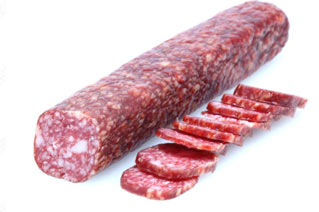
Salmonella outbreak investigation triggers massive Canadian deli meat recall

An outbreak of Salmonella infections in Canada has increased to encompass 87 confirmed cases in four provinces according to an update report from the Public Health Agency of Canada (PHAC) released on July 19, 2025.

Outbreak-related illnesses have been reported in Alberta (68), British Columbia (1), Manitoba (1), and Ontario (17). Nine people have been hospitalized. The British Columbia case is related to travel to Alberta.

Victims range in age from one to over 100 years.

Many people who became sick reported eating salami in prepared sandwiches or purchased from deli counters where the recalled products were served.

Marini Foods Limited, the producer of the implicated meats, has expanded its initial recall to include 13 different brands of salami and cacciatore products. The recalled items were distributed to grocery stores, specialty markets, restaurants and cafés, delis, and butcher shops in Alberta, British Columbia, Manitoba, Ontario, Quebec, and Saskatchewan.

The recalled brands include:

  • Bona
  • Cosmo’s Smoked Meats
  • Imperial Meats 
  • Longos
  • Luc’s European Meats Cheese & Eats
  • Marini Salumi
  • Naturissimo
  • P&E Foods
  • Rea
  • Speziale Fine Foods
  • Superior Meats 
  • T.J. Meats 
  • Vince’s Cured Meats Corp.

Please follow the live link for a detailed list of affected products and lot codes.

  • Check to see if you have the recalled products in your home or establishment by looking for the specific product name and size, UPC and codes in the recall alerts.
  • Do not consume, serve, use, sell or distribute recalled products or any product made with them.
  • Throw out or return recalled products to the location where they were purchased. Consumers or establishments who are unsure if they have purchased the recalled products are advised to contact their retailer or supplier where the products were purchased.
  • Consumers who have purchased a prepared sandwich or meal and are unsure if it contains recalled products are advised to contact the retailer where the item was purchased.
  • Do not cook food for other people if you’ve been diagnosed with a Salmonella infection or any other gastrointestinal illness.
  • Contact your health care provider if you think you’re experiencing symptoms of Salmonella.

Most people who become ill from a Salmonella infection will recover fully after a few days without treatment, but it can also cause severe illness and hospitalization.

The Salmonella strain associated with this outbreak investigation is multi drug-resistant, which means it’s resistant to certain antibiotics (streptomycin, kanamycin, ampicillin, and sulfisoxazole). Other antibiotics are available to treat illnesses associated with this outbreak strain, if antibiotic treatment is considered necessary.


TAINTED formats 3
“Reads like a true crime novel” – Food Safety News

Interested in learning more about food safety and the history of foodborne disease outbreaks and investigations?

Click on the link to listen to a short excerpt, then follow the buy links to add a digital, print or audio copy to your personal library.

Chapter 6. Birth of a Pathogen