Questions loom as FDA remains quiet on investigation into infant formula outbreak

This story by Coral Beach first appeared in Food Safety News on March 5, 2022, and is reposted here with permission.

Parents, consumer groups, and a congresswoman want to know why it took the FDA months to begin investigations into infant formula after learning of the beginning of a cronobacter outbreak that has seen at least five babies develop infections with two deaths under investigation.

The Food and Drug Administration has yet to answer many questions including those posed by Food Safety News. We asked the agency on March 1 why there was a lag time from September 2021 to February 2022 before the agency began investigating Abbott Nutrition, which posted a recall for the implicated infant formula in late February.

On March 2 the FDA responded, to Food Safety News saying they were “working on a response for you and will respond as soon as possible.” On March 4 they responded to the same question saying: “We’re continuing to work on this for you.”

One plausible reason for the lag between when the FDA was notified of the first cronobacter infection this past September and when the recall and investigation began in February is that illnesses caused by the bacteria are not reportable in 49 of the 50 states. The infection has a 50 percent death rate.

Declaring illnesses as reportable is a state responsibility. 

For reportable illnesses, health care providers, hospitals, etc., must tell local or state officials about the illnesses. Those public health officials can then report the diseases to federal authorities.

Many people in the health care community, as well as consumer groups and patient advocates, say making cronobacter a reportable illness could have caught the ongoing outbreak sooner and narrowed its scope. Only Minnesota has cronobacter infection as a reportable disease. It was the state that reported the first infection to the FDA in September 2021.

Doug Schultz of the Minnesota Department of Health said the state only sees one case every three to five years, but it always reports them to federal authorities. When such cases are reported it allows the FDA and the Centers for Disease Control and Prevention to begin watching for other infections and possible links, but such efforts are hampered by the lack of mandatory reporting in the other 49 states.

A spokesperson from the CDC confirmed that reporting for cronobacter is not required by 49 states and that tracking of non-reportable diseases is a problem that the agency discusses with other entities such as the Council of State and Territorial Epidemiologists. 

“Case notification from public health agencies to CDC is voluntary, and the diseases that are nationally notifiable each year are determined by a collaborative process among Council of State and Territorial Epidemiologists (CSTE), State Epis, and CDC programs; it’s not just CDC’s decision,” said the CDC spokesperson.

The CSTE, whose recommendations are not binding, brings together disease and surveillance experts at CDC and from health departments across the country to determine what types of data should be deemed “notifiable” or “reportable” diseases.

“CSTE and CDC annually review the list of nationally notifiable conditions that state health departments agree to voluntarily report to CDC. Because CDC is not responsible for follow-up or investigation of individual people with cases of notifiable conditions, notifiable condition reports from states to CDC do not include patient or provider names or other personally identifying information,” according to the CSTE’s criteria statement.

“In early 2007, CSTE conducted a comprehensive review of its adopted position statements which call for a specified disease/condition to be nationally notifiable. This review also documented which position statement contains the most current version of the case definition. The resultant list contains 73 diseases/conditions, nine of which are non-infectious.

“At present, there is no formal list of conditions that are designated as immediately reportable from states to the national level.”

The CSTE contends that having a clearly defined list of immediately notifiable conditions at the national level will eliminate current ambiguity and enable a more timely response to conditions that may constitute a public health emergency or bioterrorism event at the national level. 

“Standardizing the list of routinely notifiable conditions will improve consistency,” according to the group’s criteria statement.

Bill Marler, a Seattle attorney who has been working in the field of food safety for more than 30 years, said if there is one good thing that could come out of this tragic outbreak it would be for states to declare cronobacter infection a reportable disease.

He used the deadly E. Coli O157:H7 outbreak linked to Jack in the Box hamburgers as an example.

“Most people think the outbreak began in January of 1993, but it actually began in November of 1992 when kids in California started getting sick,” Marler said. “But it was not a reportable disease in California so people didn’t start tracking it until after the contaminated meat was shipped to Washington (state) and kids started getting sick there.

“There is no question that if it had been a reportable disease that the outbreak would have been identified earlier and fewer kids would have gotten sick.”

Marler also pointed out that infant formula is not a sterile product and should be handled with care.  Thorough washing of bottles, nipples and containers between use is also vital to protect against disease.

Calls for action
Known for many years as a champion for food safety, U.S. Rep. Rosa DeLauro, who chairs the Congressional Food Safety Caucus, this week wrote to the Inspector General for the U.S. Department of Health and Human Services, Christi A. Grimm, seeking action on the FDA’s handling of the cronobacter outbreak and infant formula recall.

In her letter, the representative from Connecticut asked for “assistance in investigating whether the Food and Drug Administration (FDA) took prompt, appropriate, and effective action leading up to the recent recall involving powdered infant formula produced by Abbott Nutrition’s Sturgis, MI, plant. 

“Based on reports, I am concerned the agency acted too slowly in pulling potentially dangerous infant formula off store shelves, which may have resulted in additional illnesses and death,” she wrote.

DeLauro questioned why the FDA did not take action two years ago when troubling issues were uncovered at the Abbot Nutrition production facility.

As part of the review requested by the congresswoman, she wants the inspector general to investigate several questions including:

  • Why did it take several months and additional illnesses for the FDA to return to the plant for a follow-up inspection?
  • Why were the company records showing destroyed products in June 2020 omitted from the FDA’s inspection report?
  • Two years prior to the September 2021 inspection, the FDA found that the Abbott facility failed to test a representative sample for Salmonella at the final stage of the production cycle. Did the agency follow up on this issue after that inspection?
  • Will the FDA start conducting its own testing on infant formula to monitor for these dangerous bacteria?

 Questions from public interest groups
With many similar concerns as those raised by DeLauro, the Center for Science in the Public Interest (CSPI) posted a statement March 4 asking why parents and caregivers were not given earlier notice of the link between the Abbott infant formulas — which include certain types of Similac, Alimentum, and EleCare distributed in dozens of countries — and the infant illnesses and deaths.

“…consumers have taken to social media with complaints that products that have lot codes and expiration dates within the recalled range do not appear as part of the recall when they enter information into the company’s recall website, similacrecall.com,” according to the CSPI.

“We urge Abbott and the FDA to clarify the scope of the infant formula recall, including being straight with consumers about which products made in Abbott’s Sturgis facility are part of the recall.”

In comments to Consumer Reports, a long-time food safety advocate said the situation is unbelievable.

“This bacterium is known to be extremely deadly to babies,” said Mitzi D. Baum, chief executive officer of STOP Foodborne Illness, a nonprofit group. “It is distressing that the facility was cited in September 2021 for unsanitary conditions, about the time when the first illness was reported.”

Brian Ronholm, director of food policy for Consumer Reports went a step further.

“Once the severity of the situation became known, the FDA should have essentially set up shop at the facility and worked to resolve the problems,” Ronholm said.

Editor’s note: Bill Marler is the publisher of Food Safety News.

This story by Coral Beach first appeared in Food Safety News on March 5, 2022, and is reposted here with permission.

Massive onion recall sparked by Salmonella outbreak

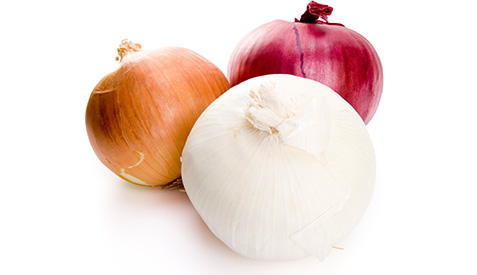
ProSource Produce LLC of Hailey, Idaho is recalling whole raw onions imported from Mexico due to potential Salmonella contamination.

The recall comes after the US Food and Drug Administration (FDA) identified ProSource as a source of onions linked to a large multi-state outbreak of Salmonella Oranienburg illnesses that has sickened 652 people so far, sending 129 of them to hospital.

To date, no onions marketed through ProSource have tested positive for Salmonella, according to the company.

The Recall

The recall encompasses red, yellow, and white whole raw onions shipped to the United States from Chihuahua, Mexico, between July 1, 2021, and August 31, 2021, and includes the following brand names:

  • Big Bull
  • Peak Fresh Produce
  • Sierra Madre
  • Markon First Crop.
  • Markon Essentials
  • Rio Blue
  • ProSource
  • Rio Valley
  • Sysco Imperial

The onions were distributed to wholesalers, broadline foodservice customers, and retail stores in 50 lb., 25 lb., 10 lb., 5 lb., 3 lb., and 2 lb. mesh sacks; and 50 lb., 40 lb., 25 lb., 10 lb., and 5 lb. cartons in:

  • Alabama
  • Arkansas
  • Arizona
  • California
  • Colorado
  • Connecticut
  • Florida
  • Georgia
  • Iowa
  • Idaho
  • Illinois
  • Indiana
  • Kansas
  • Kentucky
  • Louisiana
  • Massachusetts
  • Maryland
  • Michigan
  • Minnisota
  • Missouri
  • Mississippi
  • North Carolina
  • Nebraska
  • New Jersey
  • New Mexico
  • New York
  • Ohio
  • Oklahoma
  • Pennsylvania
  • Rhode Island
  • South Carolina
  • Tennessee
  • Texas
  • Virginia
  • Wisconsin

Some of the recalled product also was shipped to Ontario and Québec, Canada.

The Outbreak

The US Centers for Disease Control and Prevention (CDC) first identified an outbreak of 20 confirmed cases of Salmonella Oranienburg illnesses on September 2, 2021. By September 15th, the date of CDC’s initial outbreak investigation announcement, the number of cases had risen to 127 people from twenty-five states.

On September 24th, the CDC reported having found the outbreak strain in a sample taken from a takeout condiment cup containing cilantro and lime. The outbreak victim who supplied the condiment cup reported that it also had contained onions, but none were left in the cup at the time of sampling.

As of October 18th, the CDC had amassed reports of 652 confirmed outbreak cases from 37 US states. Thirty-one percent (31%) of the outbreak victims required hospitalization.

Salmonella Oranienburg illnesses caused by the outbreak strain have been reported by the following states:

  • Alabama (3)
  • Arkansas (12)
  • California (9)
  • Colorado (1)
  • Connecticut (4)
  • Florida (5)
  • Georgia (2)
  • Illinois (37)
  • Indiana (1)
  • Iowa (3)
  • Kansas (14)
  • Kentucky (9)
  • Louisiana (5)
  • Maryland (48)
  • Massachusetts (12)
  • Michigan (9)
  • Minnesota (23)
  • Mississippi (2)
  • Missouri (21)
  • Nebraska (8)
  • New Jersey (5)
  • New Mexico (8)
  • New York (12)
  • North Carolina (14)
  • North Dakota (4)
  • Ohio (7)
  • Oklahoma (98)
  • Oregon (2)
  • Pennsylvania (7)
  • South Carolina (3)
  • South Dakota (8)
  • Tennessee (10)
  • Texas (158)
  • Utah (3)
  • Virginia (59)
  • West Virginia (1)
  • Wisconsin (25)

Déjà Vu

In the summer of 2020, the CDC and the Public Health Agency of Canada (PHAC) identifed a cross-border outbreak of Salmonella Newport infections that sickened more than 1100 people in 48 US states and 515 in seven Canadian provinces.

The source of the 2020 outbreak was traced to onions supplied by Thomson International Inc. of Bakersfield, California. Although, the outbreak strain was never recovered from Thomson’s onions, the FDA found eleven different Salmonella serotypes from various environmental samples.

What You Need To Know

Illness subclusters investigated in this outbreak are currently associated with restaurants and food service locations.

The investigation is ongoing to determine the source of contamination and if additional products or firms are linked to illness.

The FDA is working to determine if these onions were available to consumers through grocery stores.

Meanwhile, the CDC advises businesses and individuals to take the following precautions:

  • Businesses should not sell or serve fresh whole red, white, or yellow onions that were imported from Chihuahua, Mexico and distributed by ProSource Inc.
  • Do not buy or eat any whole fresh red, white, or yellow onions if they were imported from Chihuahua, Mexico and distributed by ProSource Inc.
  • Throw away any whole red, white, or yellow onions you have at home that do not have a sticker or packaging.
  • Call your healthcare provider right away if you have any of these severe Salmonella symptoms:
    • Diarrhea and a fever higher than 102°F
    • Diarrhea for more than 3 days that is not improving
    • Bloody diarrhea
    • So much vomiting that you cannot keep liquids down
    • Signs of dehydration, such as:
      • Not peeing much
      • Dry mouth and throat
      • Feeling dizzy when standing up
TAINTED
TAINTED. From Farm Gate to Dinner Plate, Fifty Years of Food Safety Failures

Learn more about foodborne illness outbreaks, why they happen, and how to prevent them.

TAINTED. From Farm Gate to Dinner Plate, Fifty Years of Food Safety Failures.

Available in hardcover, paperback and ebook formats.

Recalls and Alerts: October 19-20, 2021

TAINTEDHere is today’s list of food safety recalls, product withdrawals, allergy alerts and miscellaneous compliance issues. The live links will take you directly to the official recall notices and company news releases that contain detailed information for each recall and alert.

If you would like to receive automatic email alerts for all new articles posted on eFoodAlert, please submit your request using the sidebar link.

Interested in learning more about food safety and the history of foodborne disease outbreaks and investigations? Click on the TAINTED menu at the top of the page to read a short excerpt, then follow the buy links to add a digital or print copy to your personal library.

United States

OUTBREAK INVESTIGATION: CDC and FDA have determined that a major outbreak of Salmonella Oranienburg illnesses is connected to whole, fresh onions imported from Mexico. To date, 652 people have become infected and 129 of them have needed hospitalization. Cases have been confirmed in 37 US states. FDA has identifed ProSource Inc. as a source of the potentially contaminated onions imported from the State of Chihuahua, Mexico. ProSource Inc. has agreed to voluntarily recall red, yellow, and white onions imported from the State of Chihuahua, MX, with import dates from July 1, 2021 through August 27, 2021. Descriptions of these onion types include, but are not limited to, jumbo, colossal, medium, and sweet onions. Additional recall information will be made public as soon as it is available from ProSource Inc.

Allergy Alert: Demaiz Inc. recalls approximately 20,759 pounds of pork and beef tamales due to undeclared sesame seeds. Please refer to the recall notice for a complete list of affected products.

Food Safety Recall: Ivar’s Soup and Sauce Company recalls Kettle Classic Clam Chowder With Uncured Bacon (2-24oz Sleeved Packs; Costco Item #1270666; Use by 12-22-2021; UPC 0 30383 19649 6) due to foreign matter (hard, sharp opaque plastic pieces) contamination.

Canada

Food Safety Recall: Aux saveurs des Sévelin recalls sauce carbonara / Carbonara sauce (1 L glass jars; Sold up to 19 October 2021) due to the absence of a mandatory “Keep Refrigerated” statement on the label.

Food Safety Recall: allSpices Food recalls allSpices Food brandSauce Ging-Hab (250 ml; Best Before July 2022; UPC 6 27987 39550 1) due to container integrity defects.

Europe

Allergy Alert (Finland): SOK recalls Amarillo Green Burrito (300g; Use by 21.10.2021) due to undeclared egg and milk.

Allergy Alert (Sweden): Axfood recalls Garant Dillmajonnäs / Dill mayonnaise (200 ml; Best before 2021-12-28) due to undeclared milk.

Food Safety Recall (Belgium): Aldi recalls Rôti d’épaule de cerf mariné / Marinated venison shoulder roast (500g; Lot #21281; Use by 24/10/2021 & 26/10/2021) due to possible Salmonella contamination.

Food Safety Recall (France): La Fromagerie du Thouet recalls fromagerie du thouet fromage de chèvre au lait cru / raw milk goat cheese (Lot 07/10/21; Best before 05/12/2021) due to Listeria monocytogenes contamination.

Food Safety Recall (Germany): August Töpfer & Co. (GmbH & Co.) KG recalls zauberhaft Backen Haselnusskerne gehackt / magical baking chopped hazelnut kernels (Lot #L50357; Best before 11.06.2022) due to Salmonella contamination.

Food Safety Recall (Iceland): Lagsmaður ehf. recalls Mama brand Instant noodles with tom yum pork flavour (60g; Lot #1D4SD11; Best before 28-04-2022; Product of Thailand) due to foreign matter (broken glass) contamination.

Food Safety Recall (Italy): Sicily Food srl recalls Fish & Fine brand Salmone affumicato a fetta lunga / Smoked salmon, long sliced (200g; Lot #103936090712-25421; Best before 21/10/2021; Product of Serbia) due to Listeria monocytogenes contamination.

Food Safety Recall (Luxembourg): Aldi recalls WILD VERMEERSCH BV brand Rôti d’épaule de cerf mariné / Marinated venison shoulder roast (500g; Lot #21281; Use by 24/10/2021 & 26/10/2021) due to possible Salmonella contamination.

Asia, Africa and the Pacific Islands

Allergy Alert (Hong Kong): SUN SHUN FUK FOODS CO., LTD. recalls Sau Tao brand Thick Egg Noodles (454g; Best before December 1, 2022; Product of China) due to undeclared sulphur dioxide.

Allergy Alert (Israel): Bnei Riyad Mahrum Sweets Ltd. recalls Dreja Candy (330g; All expiration dates up to and including 03/10/22) due to undeclared almonds.

Allergy Alert (Israel): Alef Kissing Factory Ltd. recalls Jacobs brand Salty Cookies (350g; All expiration dates up to and including 17/01/2022) due to undeclared macadamia nuts.

Food Safety Recall (Israel): Aleutmani Salads recalls Tahini Salad (Use by 17.11.2021) due to Listeria monocytogenes contamination.

Australia and New Zealand

Allergy Alert (Australia): Fruit X Pty Ltd recalls Fruit X Berries Blueberry Chocs (150g; Use by 31-12-2022) due to undeclared macadamia nuts.

Allergy Alert (New Zealand): Sunson Asian Food Market recalls Malakongjian brand Hot Pot Sauce Spicy Flavour (320g; All batches; Product of China) due to undeclared gluten.