
Guest Contributor Doralice Goes: On botulism

October 25, 2026

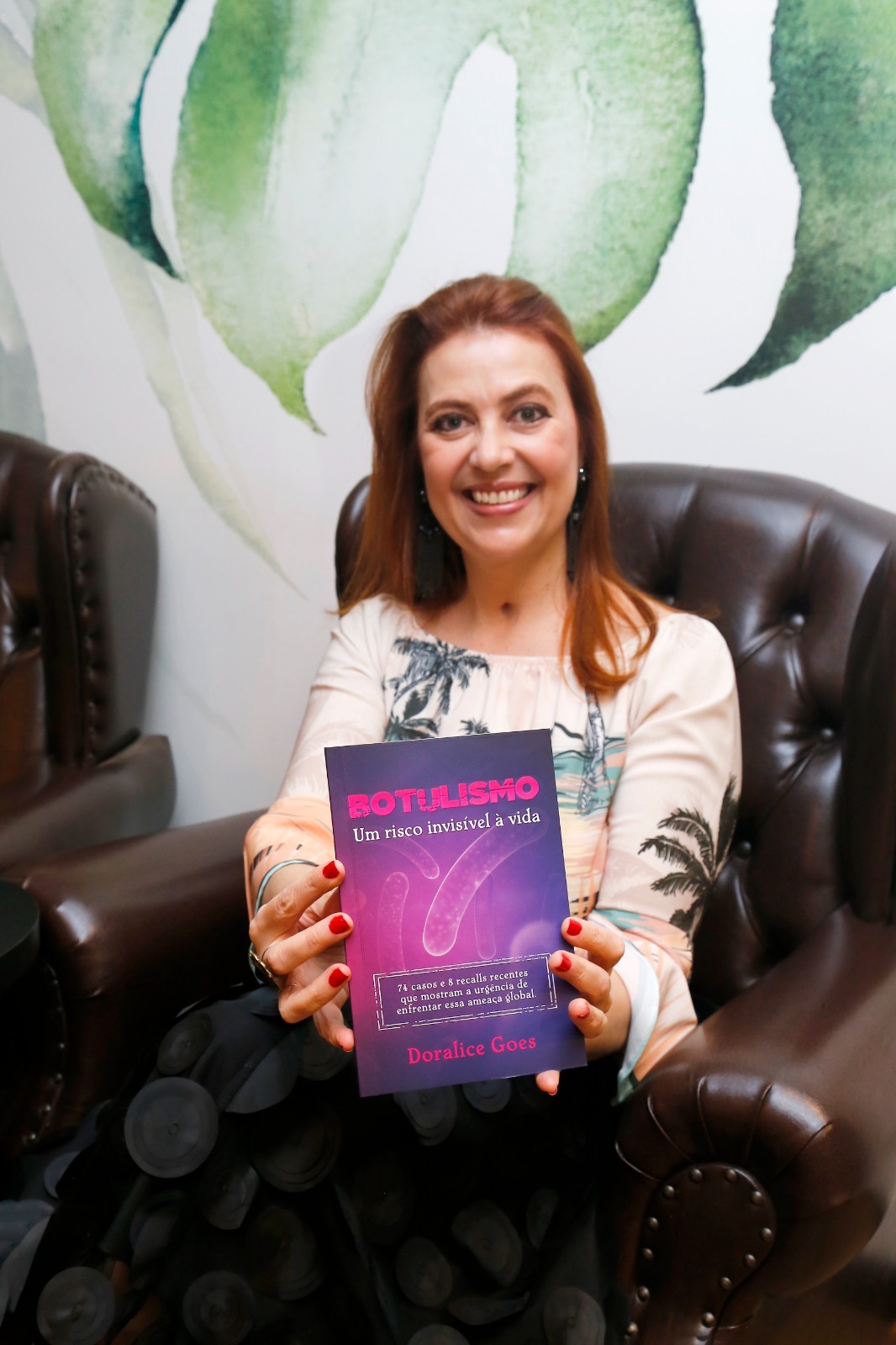
Doralice Goes is an inspirational and tireless advocate working to raise awareness about foodborne botulism. Her personal experience with the disease, including the challenges of obtaining a diagnosis and the lack of preparedness for such a situation, motivated her to investigate the study of this condition and to track recent cases worldwide. She gives presentations within the food industry, sharing not only her story of survival but also critical information regarding the symptoms of botulism and the vital importance of food safety. With sensitivity and impact, she addresses how minor lapses in food handling can lead to serious health consequences, offering a unique opportunity to promote a sense of responsibility in both food production and consumption. She also speaks at universities and hospitals, demystifying the disease and highlighting the importance of early diagnosis.

eFoodAlert is pleased to share with our readers this contribution from Doralice Goes, in her own words.


Botulism is a serious, non-contagious, potentially fatal neuroparalytic disease caused by neurotoxins produced by strains of Clostridium botulinum, Clostridium baratii, and Clostridium butyricum. While commonly found in the soil, the bacteria only multiply and produce their toxin under favorable conditions.

Five forms of botulism have been recognized: infant botulism, foodborne botulism, wound botulism, iatrogenic botulism (as a result of injections with Botox), and adult intestinal toxemia. Although rare, the disease has been observed in all five contemporary forms across six continents, necessitating efficient monitoring by health authorities.

Among the five known types, foodborne botulism caused by Clostridium botulinum is the most prevalent, affecting homemade, artisanal, and industrial products alike. This spore-forming bacterium is found in soil and is far more heat resistant than more common foodborne disease organisms. It is able to multiply in food when favorable growth conditions are present: an anaerobic (oxygen-free) environment, the presence of moisture and sugar, a water activity level between 0.93 and 0.97, and a pH greater than 4.6.

An analysis of cases recorded over the last three years across six continents points to various sources. In 2023, these included canned sardines served at a restaurant, sun-dried tomatoes, and chicken pot pies. In 2024, cases were linked to artisanal pesto sauce sold at a street market, artichoke soup, homemade cactus-based products, industrially canned mackerel, canned beans, chicken mortadella, pickled eggs, almond milk, and mayonnaise. In 2025, instances involved carrot cake, garlic confit, Neapolitan-style broccoli in sandwiches, chicken pie from a bakery, and avocado pulp.

These occurrences emphasize the need to broaden our understanding of the foods associated with this disease, which extend well beyond the common perception of canned goods, cured meats, preserves, and hearts of palm. Such awareness is essential for preventing further contamination, minimizing associated risks, and executing product recalls, all of which are vital to upholding the fundamental right to healthy and safe food.

Most importantly, the disease can be prevented by adopting food safety practices, such as heating canned or preserved foods to at least 80°C for 10 minutes before consumption , as well as by paying proper attention to expiration dates and ensuring proper storage, especially in tropical countries where temperatures can easily reach 30°C or 40°C.

Botulinum toxin causes paralysis of organs and muscles and typically requires a long hospital stay, including support for breathing, urinating, and eating. Following hospital discharge, the patient must remain off work to focus on motor rehabilitation. There is only one antidote—botulinum antitoxin—which is stored in strategic locations and distributed on request by health authorities.The antitoxin is not kept on-site at individual hospitals and must be administered within seven days of the onset of intoxication. Currently, the case fatality rate is approximately 5% to 10%.

I experienced this lack of preparedness firsthand during a year spent in the ICU after contracting foodborne botulism here in Brazil. It was then that I decided to study this disease in depth, raise awareness, become a reference on the subject, and offer support to people around the world going through the same thing.

As soon as I left the hospital, I began researching botulism. It has been nearly four years of study. I am currently pursuing a master’s degree, with plans to continue into a PhD and postdoctoral research. I want to advance botulism diagnosis and treatment globally. Above all, I want to prevent this terrible disease that shatters lives.

Every week, I receive inquiries from all over the world. From people who have used Botox and are still experiencing symptoms of botulism but have not received timely diagnosis or treatment. From people who contracted foodborne botulism and endured the unimaginable with receiving any proper care—both during the acute phase and in the subsequent, long-term stages. Recently, for example, I heard from a person in Crimea.

I don’t speak English, though I am currently learning the language. Thanks to Google Translate, I can communicate with anyone, in any language. Since contracting botulism, I sometimes struggle with typing, and because the keys on my phone are so close together, I often hit the wrong one. As a result, my texts sometimes contain errors. But none of that matters when you can simply be human and help others. I truly believe I have made a difference regarding botulism.

People who had never heard of it are now paying attention. Doctors who previously failed to diagnose it now consider it when treating patients in the ICU. Academics are delving deeper into the scientific literature. And those living with the disease anywhere in the world now have someone they can turn to. I feel useful! This goes far beyond just “work.” It is my life’s purpose. Even on a Sunday, I am here, fully committed to this cause.


Doralice Goes is a Brazilian master’s student in health sciences and is dedicated to researching botulism. She is also a survivor of the disease. In 2022, she spent 314 days hospitalized in an intensive care unit (ICU), completely quadraplegic and dependent on a ventilator. Her book, BOTULISMO. Um risco invisível à vida, was published in 2024. It is now out of print.

You can connect with Doralice on Instagram at @doralice.goes and on LinkedIn at Doralicegoes.

Recalls and Alerts: May 27, 2026

eFoodAlert posts links to recalls for English-language countries only. If you are interested in recall information for other countries (including EU-member countries), please click on the Recall Link menu, above.

The live links in this post will take you directly to the official recall notices and company news releases that contain detailed information for each recall and alert.

If you would like to receive automatic email alerts for all new articles posted on eFoodAlert, please submit your request using the sidebar link.

Advertisements

TAINTED formats 3
“Reads like a true crime novel” – Food Safety News

Interested in learning more about food safety and the history of foodborne disease outbreaks and investigations?

Click on the link to listen to a short excerpt, then follow the buy links to add a digital, print or audio copy to your personal library.

Chapter 6. Birth of a Pathogen

Outbreak/Illness Investigations

ITALY: Italian authorities are investigating two cases of botulism linked to consumption of Italiamo brand Olive and Almond Cream (190g jars; Lot L244R; Best before 01/09/2028​).

USA (Update): CDC has reopened its investigation into an outbreak of Salmonella Typhimurium and Salmonella Newport infections linked to consumption of moringa leaf powder capsules. The agency is reporting 119 cases and 32 hospitalizations in 36 states.

Advertisements

United States

Allergy Alert: DE DIOS’S ICE POPS II LLC recalls multiple flavors of D’DIOSES FRUIT POPS (3.7 oz; Produced prior to 4/27/2026) due to undeclared milk, pecans, pistachios, yellow #5 and red #40.

Allergy Alert: Bazzini, LLC recalls SkinnyDipped® Dark Chocolate Coconut Almond Bites (Multiple lot codes and Best By dates) due to risk of undeclared peanut.

FDA Warning Letter: FDA warns Best Buy Bones, Inc. that a September 8 through September 12, 2025 inspection of the company’s pet food manufacturing facility found evidence of significant violations of FDA’s Current Good Manufacturing Practice, Hazard Analysis, and Risk-Based Preventive Controls for Food for Animals requirements, including the presence of Salmonella Uganda in a finished product sample collected during the inspection.

FDA Warning Letter: FDA warns Shineluck Foods, Inc. that an October 7, 2025, through October 14, 2025 inspection of the company’s facility found serious violations of the Standards for the Growing, Harvesting, Packing, and Holding of Produce for Human Consumption regulation (Produce Safety regulation).

Canada

No Alerts

Advertisements

Ireland and United Kingdom

No Alerts

Hong Kong and Singapore

No Alerts

Australia and New Zealand

No Alerts

Advertisements


“A complete and compelling account of the hidden and not-so-hidden ways the food we give our beloved pets can be contaminated.” – JoNel Aleccia, Health Reporter, Food & Nutrition, The Associated Press.

“An invaluable resource for busy pet owners” – Food Safety News

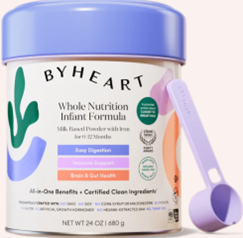
California finds presumptive Clostridium botulinum in can of powdered infant formula fed to outbreak victim

The California Department of Public Health (CDPH) has tested a can of ByHeart powdered infant formula that was fed to an infant who later developed infant botulism. Preliminary results indicate the presence of botulinum toxin-producing bacteria in the sample consisten with the type of toxin reported from confirmed outbreak cases.

As of November 8, 2025, 13 infants with suspected or confirmed infant botulism have been reported from 10 states, according to the CDC: Arizona, California (2), Illinois (2), Minnesota, New Jersey, Oregon, Pennsylvania, Rhode Island, Texas (2), and Washington.

Eight of the 13 cases have been confirmed as Type A botulism; the remaining five cases are still under investigation. Illnesses started on dates ranging from mid-August to November 2025. All 13 infants were hospitalized and treated with BabyBIG® (an antitoxin for infant botulism developed and supplied by the CDPH). No deaths have been reported. Infants ranged in age from 16 to 157 days.

Interviews conducted with caregivers for the 13 outbreak victims revealed that all 13 (100%) infants were fed ByHeart Whole Nutrition infant formula.

In response to the findings, ByHeart Inc. has recalled the following two batches of ByHeart Whole Nutrition Infant Formula (UPC: 5004496800):

  • Batch Code: 251261P2, Use by: 01 Dec 2026
  • Batch Code: 251131P2, Use by: 01 Dec 2026

ByHeart Inc. is the parent company for three manufacturing / packaging facilities:

  • Blendhouse LLC (Reading, PA), a manufacturing site
  • Blendhouse Allerton, LLC (Allerton, IA), a manufacturing site
  • Blendhouse Portland LLC (Portland, OR), a packaging site

Of these, the Reading facility manufactures the infant formula base product, which is then blended and packaged at a different facility.

The Reading location achieved its FDA registration on April 28, 2022 and was subjected to an initial, and successful, FDA inspection in June of 2022.

Then, the Cronobacter sakazakii tsunami hit, and the FDA chose to take an in-depth look at all of the powdered infant formula manufacturing sites, including ByHeart’s Reading facility. What they found was disturbing, resulting in both inspections being classified as “Official Action Indicated.”

The FDA investigation team uncovered numerous problems, which were summarized in a Warning Letter, dated August 30, 2023. These included

  • Lack of process control system, as evidenced by a finding of Cronobacter sakazakii in a batch of ByHeart Whole Nutrition Infant Formula finished product. The infant formula base which was incorporated into that batch had been manufactured in continuous process from July 13, 2022, through August 23, 2022.
  • Discrepancy between company’s root cause analysis of the Cronobacter contamination problem and the conclusion of the third-party lab, in which the company blamed lab error and the lab denied that they had erred.
  • Multiple notifications from third party lab of positive Cronobacter sakazakii findings from July 25, 2022, through August 27, 2022 within the processing environment.
  • Two water events, during which water leaked into the manufacturing areas from outside.

The FDA conducted its next inspection eleven months later. According to information posted on the FDA’s inspection data dashboard, investigators uncovered several serious problems.

  • did not implement a system of production and in-process controls for an infant formula
  • did not maintain a building used in the manufacture, processing, packing or holding of infant formula in a clean and sanitary condition
  • did not minimize the potential for contamination of raw materials through the use of appropriate measures
  • did not ensure that all surfaces that contacted ingredients, in-process materials and infant formula were cleaned and sanitized and maintained to protect infant formula from being contaminated by any source
  • did not monitor the temperature in a thermal processing equipment at a point where temperature control is necessary to prevent adulteration.
  • did not exclude pests from your food plant to protect against contamination of food.

The ByHeart recall notice appears to make light of the probability that the company’s products are the source of the 13 cases of infant botulism, stating, “The FDA has not identified a direct link between any infant formula and these cases and there is no historical precedent of infant formula causing infant botulism.”

However, Clostridium botulinum is a common inhabitant of soil. This spore-forming bacterium also is relatively resistant to heat, and has the ability to endure long exposure to dry conditions. Poor sanitation, inadequate temperature control, and inadequate pest control are all routes by which this microbe can find its way into a powdered product.

Infant botulism, unlike the form of the ailment that attacks the general population, does not require pre-formed toxin to be present in the product. An infant’s digestive system can become infected by spores that are ingested or inhaled and set up an infection in the intestine.

In 2005, researchers in the United Kingdom described a case of infant botulism that appeared to be linked to consumption of contaminated powdered infant formula, even recovering a strain of Clostridium botulinum from a sample of the formula. However, in that case, genetic profiling suggested that the strain recovered from the formula was not the same as the one responsible for the illness.

Most prior cases of infant botulism have been traced to ingestion of soil or honey products. Nevertheless, caregivers and medical professionals must be on the alert. Untreated, infant botulism can be deadly. It should never be taken lightly.

  • Do not use recalled infant formula. Throw it away or return it to where you bought it.
    • If possible, record the lot number.
  • Wash items and surfaces that may have touched the recalled formula using hot soapy water or a dishwasher.
  • Seek immediate medical care if your infant has consumed ByHeart Whole Nutrition Infant Formula and has any of these symptoms:
    • Poor feeding
    • Loss of head control
    • Difficulty swallowing
    • Decreased facial expression
  • Symptoms of infant botulism can take as long as several weeks to develop, so parents should remain vigilant if they used the recalled lots of infant formula.
  • Initial diagnosis of infant botulism is based on clinical symptoms.
  • Consultation with the Infant Botulism Treatment and Prevention Program is available for suspected cases. If you suspect your infant patient has botulism, immediately call 510-231-7600 for case consultation. Consultation is available 24/7.
  • If clinical consultation supports infant botulism, begin treatment as soon as possible. Do not wait for laboratory confirmation.
  • Infant botulism is a notifiable disease. All suspected cases must be reported to the state public health department.
  • Most infants with infant botulism will initially develop constipation, poor feeding, loss of head control, and difficulty swallowing.
  • If untreated, infants with infant botulism experience a progressive, flaccid paralysis that can lead to breathing difficulties and require weeks of hospitalization.
  • Treatment with BabyBIG® is recommended for all suspected cases of infant botulism.

TAINTED formats 3
“Reads like a true crime novel” – Food Safety News

Interested in learning more about food safety and the history of foodborne disease outbreaks and investigations?

Click on the link to listen to a short excerpt, then follow the buy links to add a digital, print or audio copy to your personal library.

Chapter 6. Birth of a Pathogen