
Why Recalls Happen: A Sunshine Mills, Inc. Case Study, Part 2 (Salmonella)

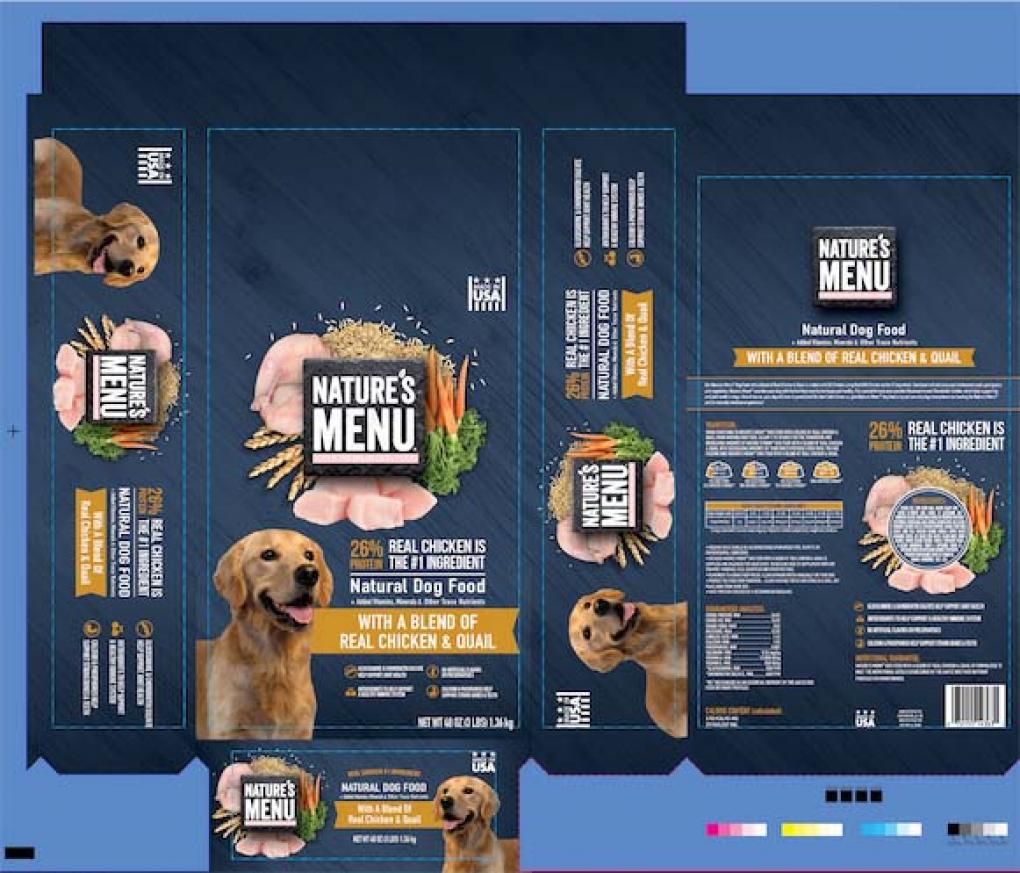
On August 4, 2020, the Georgia Department of Agriculture detected Salmonella in a sample of Nature’s Menu® Super Premium Dog Food with a Blend of Real Chicken & Quail, manufactured by Sunshine Mills, Inc. (Sunshine).

The state notified Sunshine of its finding on August 12th.

Twelve days later, the company announced a recall of multiple lot codes of the Nature’s Menu dog food.

On September 8, 2020, the US Food and Drug Administration (FDA) began an investigation of Sunshine’s Tupelo, Mississippi facility.

What the FDA inspector found

  • Finished product storage bins that are not covered by the company’s environmental monitoring program or sanitation schedules
  • Inadequate sanitation prevention controls, including dry dog food build-up on the surface of certain equipment and pitted and porous surfaces on interior surface welds
  • Sanitation control monitoring records that are not reviewed by a responsible individual
  • Inadequate corrective action after receiving notification from Georgia of the Salmonella-positive result
  • Inadequate evaluation of the scope of Salmonella contamination across multiple batches of finished product
  • Pre-filling of the sanitation checklist before the sanitizing procedures were carried out

How Sunshine responded

The company responded to most of the FDA inspector’s observations by acknowledging their accuracy and promising corrections.

In response to the inspector’s complaint about the inadequacy of Sunshine’s corrective actions regarding the detection of Salmonella, Phil Bates, Chief Operating Officer of Sunshine Mills, Inc., placed a portion of the blame on the State of Georgia, saying,

“We were in the process of investigating the detection of Salmonella spp. in the finished dog food product. Upon notification from the State of Georgia, a request was made for a split sample of the product in question which is required to be provided under Georgia law. The investigation proceeded with testing for Salmonella spp. in the retain sample of the product in question which was negative. We were subsequently informed that Georgia would not be able to provide the split sample for testing. The inability of Georgia to provide the split sample for testing delayed the investigation and implementation of corrective actions.”

Obtained in response to Freedom of Information Act request

Bates also blamed the leader of the sanitation crew for pre-filling the checklist, adding that the proper procedure had since been reviewed with the Sanitation Lead and with each member of the crew.

Why Salmonella contamination of a pet food matters

The FDA has this to say about the risks of Salmonella infections to dogs and cats.

Salmonellosis is uncommon in dogs and cats, but they can be carriers of the bacteria. This means that even if the pets don’t show symptoms of salmonellosis, they can still shed Salmonella in their stool and saliva and then spread the bacteria to the home environment and to people and other pets in the household. For example, cats can spread Salmonella through shared litter boxes or when roaming throughout the house, such as on kitchen countertops. Some ways dogs can spread the bacteria is when they give people kisses or have stool accidents inside the home. Pet waste from both sick and healthy pets can be a source of infection for people.

When the disease is seen in an adult dog or cat, the animal typically has another infection or health problem at the same time. Puppies and kittens are more likely to show signs of disease. Signs of salmonellosis in dogs and cats include:

  • Vomiting;
  • Diarrhea (which may be bloody);
  • Fever;
  • Loss of appetite; and
  • Decreased activity level.

The Salmonella incident investigation overlapped with the FDA’s investigation of aflatoxin contamination in pet food manufactured in the same Sunshine facility (See Part 1). Stay tuned for Part 3 of this series, which will look at the interweaving of the two incidents and how they relate to conditions that were revealed at the manufacturing plant in 2018, when the company’s pet foods were found to contain excessive levels of vitamin D.

Note: Information contained in this story was obtained from the FDA website and from documents furnished by FDA in response to a Freedom of Information Act request.

Recalls and Alerts: January 1 – 6, 2021

Here is today’s list of food safety recalls, product withdrawals, allergy alerts and miscellaneous compliance issues. The live links will take you directly to the official recall notices and company news releases that contain detailed information for each recall and alert.

If you would like to receive automatic email alerts for all new articles posted on eFoodAlert, please submit your request using the sidebar link.

Interested in learning more about food safety and the history of foodborne disease outbreaks and investigations? Go to TAINTED to download the first couple of chapters of my new book.

United States

Allergy Alert: Dole Fresh Vegetables, Inc. recalls Dole™ Sesame Asian Chopped Salad Kit (Lots B364016 & B364017; Best if used by 01-15-21; UPC 0-71430-00035-9) due to undeclared egg.

Allergy Alert: Courage Production, LLC. recalls TETON WATERS RANCH POLISH SAUSAGE (10-oz vacuum-pack; Lot #202831; Use or freeze by JAN/8/21) due to undeclared milk.

Europe

Allergy Alert (Italy): MD S.P.A. recalls PICCOLINO BABY brand CREMA DI MAIS RISO TAPIOCA / Cream of corn, rice and tapioca (200g; Lots AF & AI; Best before 30/11/2021 and 01/03/2022) due to undeclared soy.

Food Safety Recall (Ireland): Carpios Foods Ltd recalls Dried Figs (200g; Best Before 04/21; Product of Spain) due to presence of aflatoxin in excess of permitted level.

Food Safety Recall (Italy): PAGANONI GIANFRANCO recalls PAGANONI GIANFRANCO ALPE TORRAGELLA MOIO DE CALVI BG FORMAI DE MUT DELL’ALTA VALLE BREMBANA / cheese (Lots 30/06/20, 02/07/20, 24/06/20, 01/07/20, 28/06/20, 25/06/20, 03/07/20, 06/07/20, 05/07/20, 08/07/20, 07/07/20, 22/06/20) due to Listeria monocytogenes contamination.

Food Safety Recall (Lithuania): Ovostar Europe (Latvia) recalls Medium Shell Eggs (10-packs; Best before 12-26-2020; Product of Ukraine) due to Salmonella contamination.

Food Safety Recall (Luxembourg): La Provençale recalls Haché préparé bœuf / porc épicé / Minced beef & pork (Use by 08/01/2021) and Haché pur bœuf préparé filet américain / Minced beef (Use by 08/01/2021) due to foreign matter contamination.

Food Safety Recall (Netherlands): DEEN supermarkten recalls DEEN Surinaamse kipsalade / DEEN Surinamese chicken salad (160g; Best before 12-01) due to Listeria contamination.

Australia and New Zealand

Food Safety Recall (Australia): The Trustee for The Sabrands Australia Mgmt Trust recalls Rosella Red Cocktail Onions (150g; Best Before 05/11/2022) due to foreign matter (glass particles) contamination.

Food Safety Recall (New Zealand): Pak’n Save Tauriko recalls Pak’n Save Tauriko brand NZ Beef Mince (1 kg; Best before 04.01.21) due to foreign matter (pieces of pink plastic) contamination.

Why Recalls Happen: A Sunshine Mills, Inc. Case Study, Part 1 (Aflatoxins)

Sunshine Mills, Inc. (Sunshine) is a manufacturer of pet foods and pet treats, with headquarters in Red Bay, Alabama, and production facilities in six states.

What happened?

On April 3, 2020, Sunshine’s Tupelo, Mississippi, facility sampled, tested AND ACCEPTED a bulk load of yellow corn that exceeded the company’s rejection level for aflatoxin.

The aflatoxin-contaminated batch of corn was used in the manufacture of multiple pet foods between April 3rd and April 5th.

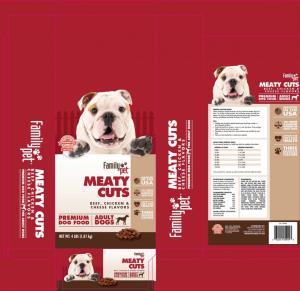
On August 17, 2020, the Louisiana Department of Agriculture and Forestry detected aflatoxin in a sample of Family Pet brand dog food manufactured by Sunshine on April 5th. The aflatoxin level that Louisiana found was 82.4 parts per billion (ppb)—more than four times FDA’s action level of 20 ppb.

On September 2, 2020, Sunshine recalled three products due to the presence of aflatoxin “potentially above the acceptable limit.”

On September 8, 2020, the US Food and Drug Administration (FDA) initiated an inspection of Sunshine’s Tupelo facility.

One month later, on October 8, 2020, Sunshine announced an expansion of its previous recall to encompass an additional twenty-one products that were manufactured using the same batch of corn used in the manufacture of the aflatoxin-contaminated Family Pet dog food.

How did this happen?

According to the FDA inspector’s observations and the company’s formal response (both obtained in response to a Freedom of Information Act request), there were multiple failures, including:

  • The lab technician who carried out the aflatoxin test on the incoming corn did not follow Sunshine’s documented testing procedure and also incorrectly recorded the test result.
  • Sunshine never verified the performance and calibration of the mycotoxin-detection equipment used to test for aflatoxins.
  • Printouts from the mycotoxin-detection equipment were not legible, as the printer had cut off the top of the printed digits, resulting in numerous transcription errors when the data were recorded in the test result logs.
  • The company never validated its sampling method, including how large a sample should be drawn from each bulk grain shipment or how the sample should be collected to ensure that it represents the entire shipment.

What are aflatoxins?

Aflatoxins are a group of naturally occurring toxins produced during the growth of the mold, Aspergillus flavus, on certain agricultural commodities, including corn. They are carcinogens and mutagens, and also can cause liver failure in animals.

Aflatoxin contamination of pet foods resulted in pet illnesses and deaths and multiple recalls of pet foods in 1998, 2005, 2011 and 2013, according to FDA’s Compliance Policy Guide.

The FDA has established action levels for the presence of aflatoxins in human food, animal feeds and pet foods, including an action level of 20 ppb in pet foods.

Common symptoms of aflatoxin poisoning in pets are sluggishness, loss of appetite, vomiting, jaundice (yellowish tint to the eyes, gums, or skin due to liver damage), and/or diarrhea. Some pets may suffer liver damage without displaying any symptoms.

Could this have been avoided?

  • IF the lab technician had been properly trained and supervised, the contaminated bulk grain shipment would have been rejected.
  • IF the equipment had been properly calibrated and certified, the aflatoxin result would have been accurate.
  • IF the Quality Assurance Supervisor had paid attention to equipment maintenance, the printouts would have been legible.
  • IF Sunshine’s preventive controls had included aflatoxin testing for the corn-based ingredient, the problem could have been caught before the ingredient was used in production.
  • IF the bulk grain sampling and testing methods had been properly validated, a contaminated shipment would be more likely to be caught and rejected.

Was this an isolated incident?

In 2018, this same Sunshine facility was responsible for the production of a number of dog foods that contained excessive levels of vitamin D.

An inspection of the manufacturing facility revealed that the company did not have adequate procedures in place to ensure that the vitamin D ingredient it purchased from its supplier met all ingredient specifications.

Sunshine used a vitamin D ingredient that was not accompanied by a Certificate of Analysis and did not perform any lab tests of its own to verify that the ingredient was of the correct concentration.

When Sunshine was notified by one of its private-label customers of a consumer complaint reporting an ill dog, the company determined that the complaint was valid, but did not immediately notify FDA as it was required by FDA regulations.

In its formal reply to the FDA inspection observations, Sunshine blamed its vitamin supplier for the incorrect shipment, and claimed that it believed the owner of the private-label brand would make a report to FDA.

Stay tuned for Part 2 of this case study, which will examine the story behind Sunshine’s 2020 recall of Salmonella-contaminated pet food.

Note: This story is based on information retrieved from the FDA website and on documents obtained as a result of Freedom of Information Act requests.