Listeria in Viva pet foods prompts recall

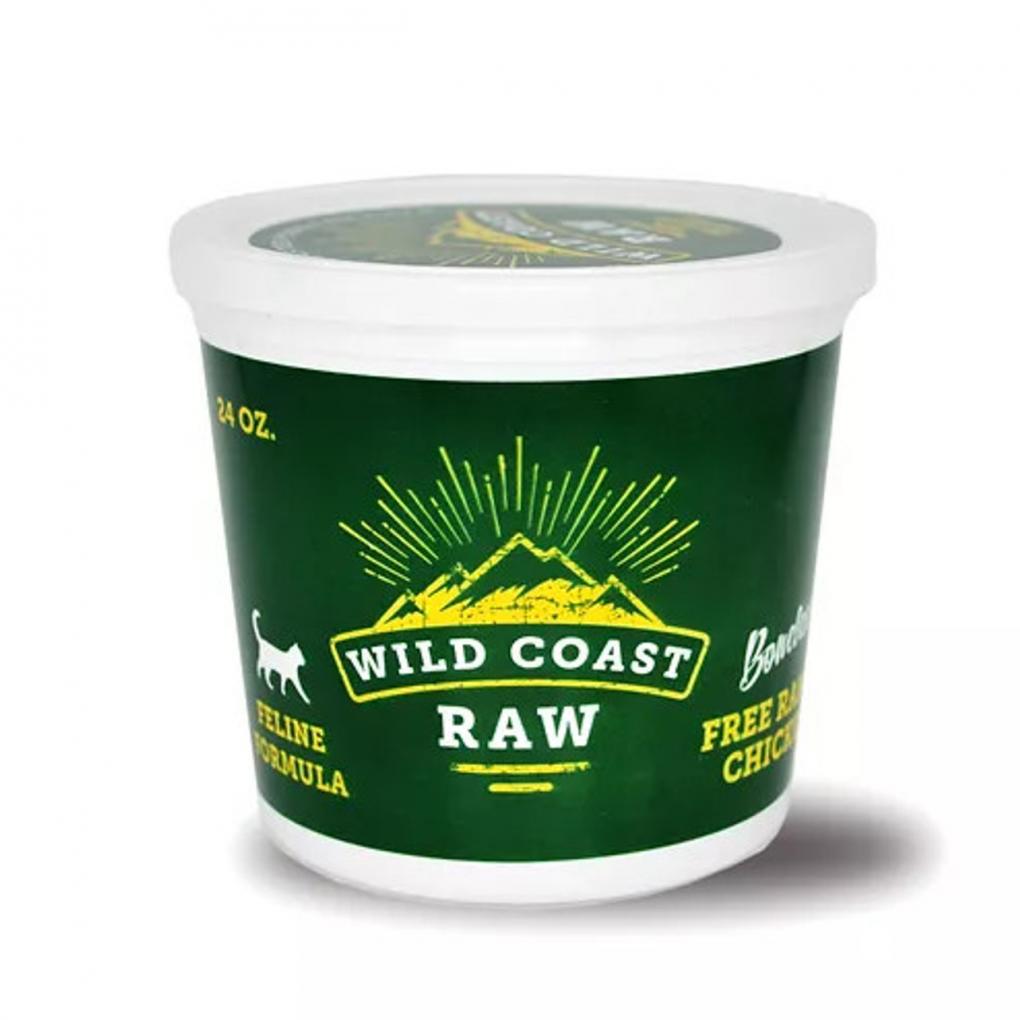
The Lewis Sausage Company, Inc. (Burgaw, NC) has recalled a single production batch of five varieties of Viva brand raw dog and cat foods due to Listeria monocytogenes contamination.

The contamination was discovered as a result of an inspection carried out by the US Food and Drug Administration (FDA). There is no indication as to what triggered the FDA inspection.

The recalled products were co-packed by Lewis Sausage on behalf of Viva Raw, LLC (Durham, NC) and were distributed by Viva Raw.

Viva Raw does not carry out any manufacturing at its location of record. The company’s address of record, as listed by the North Carolina Secretary of State, belongs to a single-family home in a residential area of Durham, North Carolina.

No press release was issued for this recall, which was initiated on June 12, 2024 and includes the following products.

  • VIVA for cats turkey (1 lb (454g); Lot #21244)
  • VIVA for dogs CHUNKED turkey (1 lb (454g); Lot #21244)
  • VIVA for dogs GROUND turkey (1 lb (454g); Lot #21244)
  • VIVA for puppies beef & turkey GROUND (1 lb (454g); Lot #21244)
  • VIVA PURE turkey for cats & dogs (1 lb (454g); Lot #21244)

The recalled products were shipped to distributors in California, North Carolina, and New Jersey.

A claim of “human-grade meat” made for a pet food product is no guarantee that the food will be pathogen-free.

The US Department of Agriculture’s Food Safety and Inspection Service (FSIS) allows the sale of raw meats and raw poultry that are contaminated with pathogens such as Salmonella and Listeria monocytogenes. Lewis Sausage is a FSIS-inspected facility (Establishment No M8001+P8001).

However, pet food manufacturers—including FSIS-inspected facilities—fall under the jurisdiction of the FDA. And the FDA maintains a zero-tolerance policy for pathogens in any animal food that is sold as “ready-to-eat” (ie., that will not by subjected to a cooking step before being fed).

The FDA relies heavily on reports from pet owners and veterinarians to alert them to safety issues with pet foods. Especially useful are reports that include veterinary information and details on the suspect food (brand, variety, batch codes, et cetera).

The following links will help you to make your report to the FDA. Just click anywhere on the blue to be taken directly to the appropriate FDA web page.

How to Report a Pet Food Complaint. Read this web page before beginning to file your complaint. It provides a list of the information you should try to have at hand before you begin to file. If you are missing some information, do not despair. Even partial information will be helpful.

Consumer Complaint Coordinators. This FDA page supplies the telephone number for the agency’s Consumer Complaint Coordinator in each state. Use this approach if you wish to make your complaint by telephone. If you do not reach a live voice, please leave a detailed message so that the coordinator can return your call.

Safety Reporting Portal. Use this FDA page if you prefer to file your report on-line with the agency. Begin by clicking on the button “Report as Guest” and continue by answering each question as it is presented to you.


“A complete and compelling account of the hidden and not-so-hidden ways the food we give our beloved pets can be contaminated.” JoNel Aleccia, Health Reporter, Food & Nutrition, The Associated Press.

“An invaluable resource for busy pet owners” – Food Safety News
Available from all major on-line retailers, including:

Raw pet food implicated in Canadian Salmonella outbreak

Forty individuals—seventeen of them children under five years of age—have been infected with an extensively drug-resistant strain of Salmonella, according to the Public Health Agency of Canada (PHAC).

Thirteen people have been hospitalized.

Outbreak illnesses have been reported by six provinces: Manitoba (1), Ontario (14), Quebec (21), New Brunswick (1), Nova Scotia (2), and Prince Edward Island (1).

The earliest cases date back to 2020, with most of the 40 cases reported in 2022 and 2023.

Exposure to raw pet food—or to dogs fed with raw pet food—has been identified as a likely source for at least some of the illnesses. Contact with cattle has also been identified as a likely source.

The outbreak strain was recovered from a sample of raw pet food obtained at the home of one of the outbreak victims. However, no single common supplier of raw pet food has been identified.

The Salmonella strain recovered from patients and from the pet food sample is resistant to all commonly recommended antibiotics, as well as older antibiotic drugs, making the infections difficult to treat.

The outbreak is ongoing, and the PHAC expects the number of cases to grow.

PHAC does not recommend feeding raw pet food to pets, especially in households with young children or individuals who have a compromised immune system, as they are at greater risk for more serious illness.

Symptoms of a Salmonella infection may include fever, chills, nausea, vomiting, diarrhea, headache and abdominal cramps. If you think you’re experiencing symptoms from a Salmonella infection, contact your health care provider.

If you choose to feed raw pet food, please take the following precautions:

  • Always wash your hands thoroughly with soap and water after feeding, playing, handling or cleaning up after pets.
  • Wash and sanitize any containers, utensils and surfaces that have come into contact with raw pet food before using them again. This includes food and water bowls, countertops, microwaves and refrigerators.
  • Use dedicated dishes and utensils to serve your pet and wash them separately from other dishes and utensils.
  • Store all pet food and treats away from where human food is stored or prepared and away from reach of young children. Pick up treats and food bowls when your pet is done with them.
  • Raw pet food may need to be stored frozen or refrigerated. If thawing raw food:
    • Keep your pet’s food away from human food
    • Place it in a sealed, clean container that will hold any juices that may leak out
    • Thaw only as much as needed
    • Thaw on the bottom shelf of the refrigerator
    • Do not re-freeze food after thawing
  • Don’t allow your dog to lick your face, mouth, or open wounds.

If you come into contact with cattle, please take the following precautions:

  • Always wash your hands before and after you touch cattle, or anything in the areas where they live, roam or eat. Wash with soap and warm water for at least 20 seconds. Use an alcohol-based hand rub if soap and water are not available.
  • If visiting a farm or petting zoo, wash your hands when you leave animal areas, even if you did not touch the animals directly.
  • Do not eat or drink around cattle. Keep food and drinks away from animal areas.
  • Always supervise children around animals, such as cattle. Do not let children put their fingers or objects (like pacifiers) in their mouths when they are around animals or in an animal area.


“A complete and compelling account of the hidden and not-so-hidden ways the food we give our beloved pets can be contaminated.” JoNel Aleccia, Health Reporter, Food & Nutrition, The Associated Press.

“An invaluable resource for busy pet owners” – Food Safety News

Available from all major on-line retailers, including:

Recalls and Alerts: November 11–13, 2023

Here is today’s list of food safety recalls, product withdrawals, allergy alerts and miscellaneous compliance issues. The live links will take you directly to the official recall notices and company news releases that contain detailed information for each recall and alert.

If you would like to receive automatic email alerts for all new articles posted on eFoodAlert, please submit your request using the sidebar link.


“A complete and compelling account of the hidden and not-so-hidden ways the food we give our beloved pets can be contaminated.” JoNel Aleccia, Health Reporter, Food & Nutrition, The Associated Press.

“An invaluable resource for busy pet owners” – Food Safety News
Available from all major on-line retailers, including:


United States

OUTBREAK INVESTIGATION UPDATE: As of November 13, 2023, the FDA has received 22 illness reports potentially linked to consumption of cinnamon-flavored applesauce pouches and variety packs. The manufacturer, WanaBana, has recalled multiple WanaBana, Schnucks, and Weis brands of the implicated products, which have been found to contain extremely high concentrations of lead.

Allergy Alert Update: JX Restaurant, Inc. recalls SISTER SISTER GENERAL TSO’S CHICKEN with FRIED RICE (16-oz. plastic trays; Lot codes 11/07/23, 11/11/23, 11/17/23, 11/18/23, or 11/19/23) due to undeclared sesame oil.

Advertisements

Canada

OUTBREAK INVESTIGATION: The Public Health Agency of Canada (PHAC), the Canadian Food Inspection Agency (CFIA), Health Canada and provincial partners are investigating an outbreak of 40 confirmed cases of extensively drug-resistant (XDR) Salmonella infections in six provinces. Whole genome sequencing has linked the cases to raw pet food and contact with cattle. The outbreak strain was found in raw pet food from the home of one of the victims.

Advertisements

Europe

Allergy Alert (Belgium): Jumbo recalls Jumbo brand Yaourt « Lekker Vrij van Lactose » Magere Yoghurt / Low-fat lactose-free yoghurt (1 L; Best before 13-11-2023) due to undeclared lactose.

Food Safety Recall (France): CARREFOUR HYPERMARCHES recalls Jambon cuit superieur decouenne degraisse torchon / Superior rindless cooked ham, defatted (Lot 01206889; Use by 20/11/2023) due to Listeria monocytogenes contamination.

Asia, Africa and the Pacific Islands

Food Safety Recall (Israel): Eurocize Import and Marketing Ltd recalls Dairy spread with milk and vegetable fat, 30% fat (235g; Expiration date 13.07.2024) due to foreign matter contamination (glass particles).


TAINTED formats 3
“Reads like a true crime novel” – Food Safety News

Interested in learning more about food safety and the history of foodborne disease outbreaks and investigations?

Click on the link to listen to a short excerpt, then follow the buy links to add a digital, print or audio copy to your personal library.

Chapter 6. Birth of a Pathogen

TAINTED is available in digital format from all major on-line retailers. Press the button to go directly to your preferred digital bookstore.

Advertisements