
Recalls and Alerts: May 2–4, 2026

eFoodAlert posts links to recalls for English-language countries only. If you are interested in recall information for other countries (including EU-member countries), please click on the Recall Link menu, above.

The live links in this post will take you directly to the official recall notices and company news releases that contain detailed information for each recall and alert.

If you would like to receive automatic email alerts for all new articles posted on eFoodAlert, please submit your request using the sidebar link.

Advertisements

TAINTED formats 3
“Reads like a true crime novel” – Food Safety News

Interested in learning more about food safety and the history of foodborne disease outbreaks and investigations?

Click on the link to listen to a short excerpt, then follow the buy links to add a digital, print or audio copy to your personal library.

Chapter 6. Birth of a Pathogen

Outbreak/Illness Investigations

No Alerts

Advertisements

United States

Allergy Alert: Second Nature Brands recalls SECOND NATURE KETO CRUNCH SMART MIXTM (10 oz; Best if used by 2/12/2027; UPC 077034013405) due to undeclared cashews, pistachios, and cherries.

Allergy Alert: USDA issues public health alert for Giovanni Rana RANA Rustic Beef Sauce & Creamy Burrata Cheese Ravioli (32-oz plastic bags; Use by dates 05/14/2026 – 06/25/2026) due to undeclared shrimp and lobster. A recall was not requested because the product is no longer available for purchase.

Infant Formula Safety Recall: The a2 Milk Company recalls a2 Platinium Premium infant formula 0-12 months Milk-based powder with Iron (31.7oz tin; Batch nos. 2210269454, 2210324609, and 2210321712; Use by 7/15/2026, 1/21/2027, and 1/15/2027, respectively) due to presence of the heat-stable toxin, cereulide (toxin producted by Bacillus cereus).

Food Safety Recall: Utz Quality Foods, LLC, a subsidiary of Utz Brands, Inc. recalls certain limited varieties of Zapp’s® and Dirty® potato chips due to possible Salmonella contamination.

Canada

Food Safety Recall: Sun Rich Foods Canada Inc. recalls Broccoli Carbonara Pasta Salad (Multiple batch codes and best before date codes) due to Listeria monocytogenes contamination.

Advertisements

Ireland and United Kingdom

Food Safety Recall (Ireland): Trade recalls Green Box Limited Enoki Mushroom (Cendawan Enoki) (100g; Batch codes G22029 and G22030; Product of China) due to Listeria monocytogenes contamination.

Hong Kong and Singapore

No Alerts

Australia and New Zealand

No Alerts

Advertisements


“A complete and compelling account of the hidden and not-so-hidden ways the food we give our beloved pets can be contaminated.” JoNel Aleccia, Health Reporter, Food & Nutrition, The Associated Press.

“An invaluable resource for busy pet owners” – Food Safety News

To Safer Infant Formulas and doing away with Botulism, Cronobacter sakazakii, Salmonella and Bacillus cereus

NOTE: This post on Marler Blog was written by food safety attorney, Bill Marler, and is reposted here with the author’s permission.

A bit over a month ago, I was set to testify before the House and Senate Safe Food Caucus in D.C. Instead, the night before I had a heart attack. I am fine. I got great care at Howard University Hospital and have made a complete recovery – although changing a few habits going forward.

I had been asked to share some thoughts on the infant formula industry’s inability to make sure that such a critical food item is safe. As I sit here on this Sunday afternoon I am puzzled how we can spend countless billions on yet another unnecessary war and even more billions on AI and robots to make most of us irrelevant and we cannot make infant food safer? Here is some of what I wanted to discuss. I am sure there are other ideas – I would love to hear them.

Infant formula has until recently been considered low risk for C. botulinum (and, then there are other pathogens – Cronobacter sakazakiiSalmonella and recently, Bacillus cereus of concern).

The recent C. botulinum outbreak and the mixed picture you get from looking at the multitude of WGS sequences on NCBI indicates that infant formula might be riskier. We need a new risk assessment of C. botulinum (and other pathogens) in infant formula and its constituent ingredients and how to control the pathogens in powdered infant formula (PIF). For C. botulinum we need more information about:

How often is infant formula and its constituents contaminated with C. botulinum spores?

Do we detect the pathogen when we need to? We need to assess if the current methods are good enough (sensitive enough)?

How often is a product contaminated with more than one strain of C. botulinum (multiple WGS profiles)? How many isolates (colonies on a plate) from each sample should be sequenced to detect all contaminants?

Should we routinely culture infant formula from cases of infant botulism when the child has been fed such a product? (I highly suspect that infant formula is causing many more cases of infant botulism than we know of at the moment).  

How do we best control C. botulinum spores in infant formula. We need studies on methods to control C. botulinum more efficiently in infant formula.

Do we need new regulations and redefined best practices for the production of infant formula and detecting and culturing the organism from product, environment and patients? 

Perhaps as a start:

Fund a risk assessment on the prevalence of C. botulinum spores, Cronobacter sakazakiiSalmonella and Bacillus cereus and sulfite reducing clostridia (as indicators) in:

            a.         raw milk

            b.         pasteurized milk

            c.         dairy powders – including whole milk powder, whey powder, whey protein concentrates, whey protein hydrolysates, nonfat dry milk, skim milk powder 

A specific risk assessment on the prevalence of C. botulinum spores and sulfite reducing clostridia in Powdered infant formula

Risk assessment on the prevalence of C. botulinum spores in minimally processed (non-retort thermally processed) commercial baby foods fed to children <1 year of age

Risk assessment on the prevalence of C. botulinum spores in low moisture infant first foods (puffs, cereals (rice and oatmeal), peanut butter, etc.)

Processing strategies to minimize spores in PIF – investigate technologies to reduce spores in infant foods while maintaining nutritional standards

Impact of farming practices on the incidence of C. botulinum spores in milk 

            a.         Prevalence of C. botulinum spores in silage, bedding, etc., at the farm

            b.         Milk collection on organic vs. conventional dairy farms

Improved resources for the tracking and following up of Infant Botulism cases to determine the source of botulism outbreaks

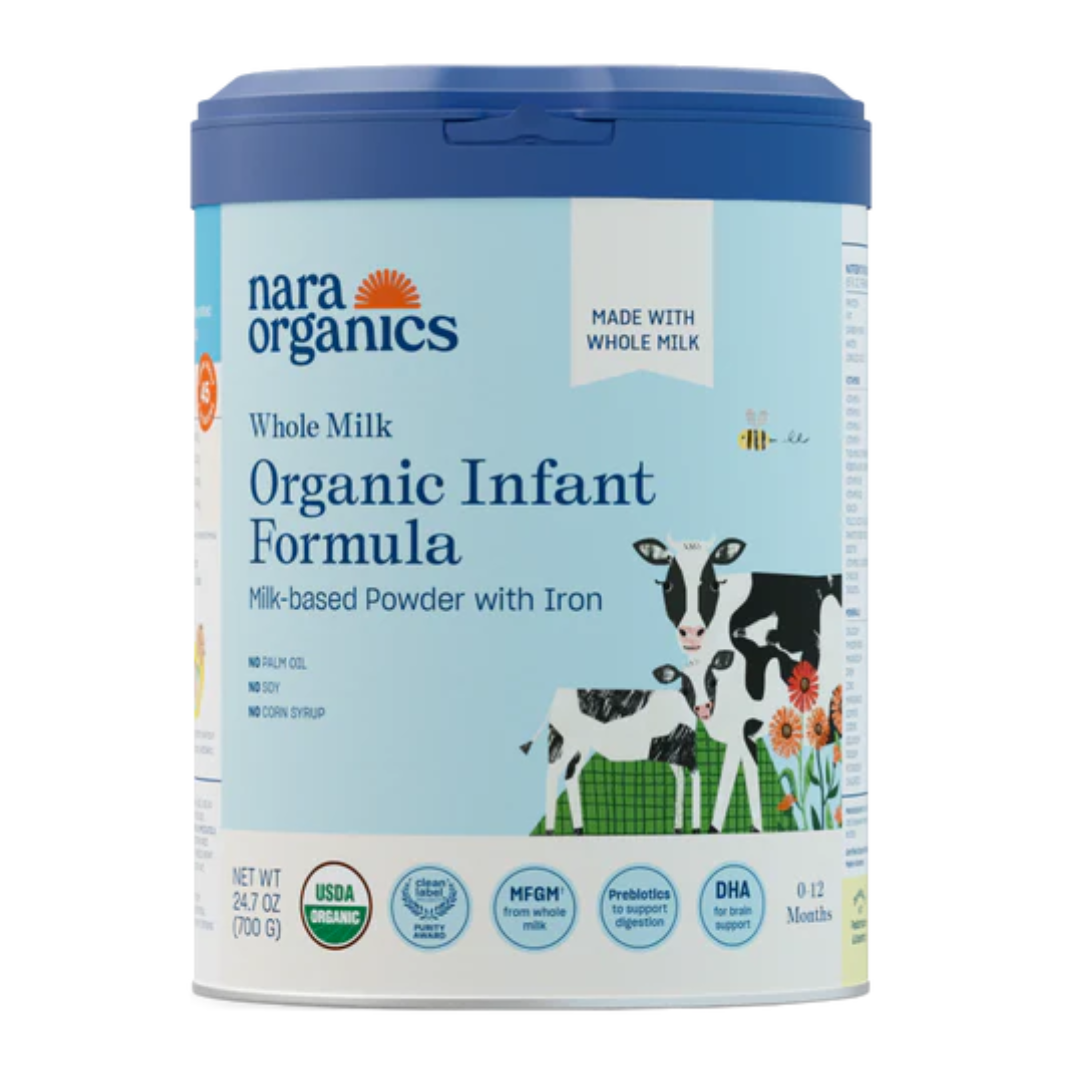
Bottom line for control of spores in powdered infant formula (PIF): either they destroy all the spores or reformulate to lower the incidence of spores in PIF (at least down to where it was prior to the addition of whole milk powder into the formulations of PIF). Because PIF is fed to infants from Day 1 it should be commercially sterile. Leave it up to the companies to determine how to make PIF commercially sterile. At the very least I would suggest that until a study is conducted to show the prevalence of C. botulinum spores in whole milk powder and a risk assessment is conducted, any formulation that contains whole milk powder should not enter into commerce.


It is inarguable that breastfeeding is the “gold standard” of infant nutrition. Unfortunately, not every woman is capable of providing an adequate supply of breast milk to her newborn.

Infant formula was developed originally as a means of supplementing a woman’s breast milk. Over the decades, it has grown into a Frankenstein’s monster—an ultraprocessed convenience food manufactured on a massive scale and heavily marketed to the medical profession and to individual consumers.

While the ultimate decision of breast- versus bottle-feeding rests with the mother, the responsibility for ensuring that infant formula is both safe and nutritious must sit on the shoulders of the industry and the FDA (and its sister agencies around the world).

The industry and its regulators have abrogated their responsibility for far too long. Bill Marler’s suggestions are sensible and long overdue.

Recalls and Alerts: January 7, 2026

eFoodAlert posts links to recalls for English-language countries only. If you are interested in recall information for other countries (including EU-member countries), please click on the Recall Link menu, above.

The live links in this post will take you directly to the official recall notices and company news releases that contain detailed information for each recall and alert.

If you would like to receive automatic email alerts for all new articles posted on eFoodAlert, please submit your request using the sidebar link.


TAINTED formats 3
“Reads like a true crime novel” – Food Safety News

Interested in learning more about food safety and the history of foodborne disease outbreaks and investigations?

Click on the link to listen to a short excerpt, then follow the buy links to add a digital, print or audio copy to your personal library.

Chapter 6. Birth of a Pathogen

Outbreak/Illness Investigations

INDIA (Update): The large waterborne diarrheal disease event in Indore, Madhya Pradesh, India, declared an epidemic in January 2026, with more than 3000 reported cases. Upon sampling, tapwater was found to contain E. coli, Salmonella and Vibrio cholerae bacteria, along with viruses, fungi and protozoa.

United States

Allergy Alert: Carrot Top Country Kitchens LLC, DBA Carrot Top Kitchens of Bridgeport recalls five varieties of hummus due to undeclared sesame.

Food Safety Recall: Primavera Nueva Inc. recalls ten varieties of 4-count tamales (date codes 10/22 (year 2024) – 10/22 (year 2025)) due to possible Listeria monocytogenes contamination.

Food Safety Recall: Sam Dry Fruits and Nuts Enterprises, Inc recalls Sam Dry Fruits & Nuts PISTACHIO Meats Whole (30 lbs; Lot #PK00459; Expiration AUGUST/2027) due to possible Salmonella contamination.

Food Safety Recall: MAYEJ COMERCIALIZADORA S. de R.L. de C.V. (Mexico) recalls Italian Parsley (40 bunches per 24-lb box; Multiple lot codes) due to Cyclospora cayetanensis contamination.

Canada

Allergy Alert: Boucherie JB Allard inc. (Lévis, QC) recalls several sauces and prepared dishes due to undeclared wheat, sulphites, and/or soy.

Allergy Alert: Village Foods (Saint-Laurent, QC) recalls CUMIN POWDER (150g; Lot 7206; UPC 8 88959 42431 9) due to undeclared almonds, peanuts, eggs, milk, and hazelnuts.

Food Safety Recall: Cabananut (Pierrefonds, QC) recalls PISTACHES / Pistachios (Bulk; Sold between 15 and 22 December 2025) due to possible Salmonella contamination.

Food Safety Recall Update: Marché Kabul (Laval, QC) recalls Pistachios (Sold from 29 October to 11 December 2025) due to possible Salmonella contamination.

Advertisements

Ireland and United Kingdom

Food Safety Recall Update (Ireland): Nestlé recalls SMA Nutrition Alfamino infant formula (400g; Batch codes 51210017Y1 and 51700017Y1; Expiry dates May-27 and Jun-27, respectively) due to possible contamination with cereulide toxin (produced by Bacillus cereus).

Food Safety Recall Update (UK): Nestlé recalls several SMA Infant Formula and Follow-On Formula products due to possible contamination with cereulide toxin (produced by Bacillus cereus). The update contains amendments to the expiry dates of affected batches of SMA Advanced Follow-On Milk and SMA ALFAMINO.

Hong Kong and Singapore

Food Safety Recall (Hong Kong): Nestlé Hong Kong Limited recalls 21 batch codes of NAN, ULTIMA, and ILLUMA brands of infant formula manufactured by Nestlé due to possible contamination with cereulide toxin (produced by Bacillus cereus).

Australia and New Zealand

Food Safety Recall (Australia): Nestlé Australia Ltd recalls Nestlé Alfamino Infant Formula (0–12 months) (400g; Batch No. 51070017Y2, 51080017Y1, 51480017Y3, 51490017Y1, and 52030017Y1; Use by 17.04.2027, 18.04.2027, 28.05.2027, 29.05.2027, and 22.07.2027, respectively) due to possible contamination with cereulide toxin (produced by Bacillus cereus).

Food Safety Recall (New Zealand): Nestlé recalls Nestlé Alfamino Infant Formula (0–12 months) (400g; Batch No. 51070017Y2, 51080017Y1, 51480017Y3, 51490017Y1, and 52030017Y1; Use by 17.04.2027, 18.04.2027, 28.05.2027, 29.05.2027, and 22.07.2027, respectively) due to possible contamination with cereulide toxin (produced by Bacillus cereus).

Advertisements


“A complete and compelling account of the hidden and not-so-hidden ways the food we give our beloved pets can be contaminated.” JoNel Aleccia, Health Reporter, Food & Nutrition, The Associated Press.

“An invaluable resource for busy pet owners” – Food Safety News