
Taylor Farms Colorado, Inc., a supplier of slivered onions to McDonald’s franchises in a dozen states, ignored its own sanitation and food safety protocols, according to an inspection report from the FDA. The redacted report (FDA Form 483) was made available to the public on the Marler Blog site.
The slivered yellow onions were implicated in an outbreak of E. coli O157:H7 infections that sickened 104 people; 34 of the victims were hospitalized and one person died.
Following a traceback investigation, the FDA conducted an intensive inspection of the Taylor Farms production facility and found multiple instances of inadequate or improper cleaning and sanitation procedures, some in contravention of the company’s own written directives.
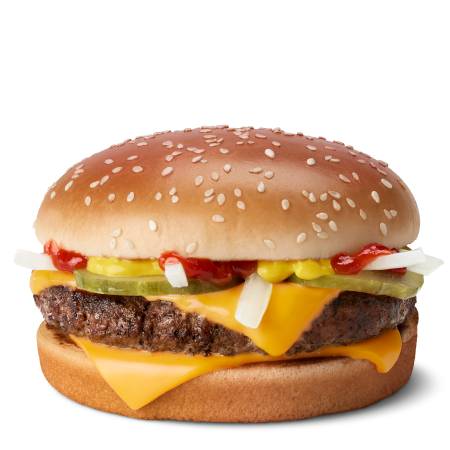
The slivered onions processed in the Colorado facility were exposed to the environment from the initial peeling step all the way to the finished packaging step. These ready-to-eat items do not undergo a lethal treatment step for pathogens. They are used as a raw “topper” in McDonald’s Quarter Pounder hamburgers.
The company’s food safety plan listed Salmonella and Listeria as hazards that require a sanitation control. Yet, inspectors observed several areas in the production plant that could support pathogen growth on food contact surfaces, and the ambient temperature inside the production facility was favorable to the growth of pathogens such as Listeria.
For example, pooling water was present in the vicinity of a cutting area, and the area tested positive for Listeria, as did a number of non-food contact surface areas in the production rooms.
Although the company’s Environmental Monitoring plan specified corrective actions when an environmental pathogen was detected, monitoring records for 2023 and 2024 indicated that these requirements were not consistently followed. In addition, the verification methods used were not designed to determine the types of pathogens found on a surface.
Cleaning procedures also were unreliable. FDA investigators observed apparent biofilm and large amounts of food debris on numerous equipment surfaces AFTER the post-operation clean-ups were completed. Surfaces that were not visually clean and should have been marked as “Fail” during pre-operation inspection were marked as “Pass” instead.
Other deficiencies included:
- Torn and damaged conveyor belts
- Trapped water and food debris present in pitted areas of food contact surfaces
- Food particles in crevices of the welds on production lines
- Sanitizing disposable gloves rather than removing and replacing them
- Missing cleanliness check documents
- Improper storage of food contact utensils (eg., knives)
- Incorrect concentration level for sanitizing solution
- Sanitized surfaces not allowed to air-dry before put into use.
How long had this been going on?
Taylor Farms’ Colorado facility has been inspected on four previous occasions, most recently in 2020.
The facility passed inspection each time, with no corrective actions indicated, according to information available on the FDA Inspection Database.
Either the previous inspections were superficial, or else something changed between 2020 and 2024.
Should McDonald’s share the blame for Taylor Farms’ lapses?
After the infamous “Jack In The Box” E. coli O157:H7 outbreak in 1992-1993, Foodmaker Inc. (the restaurant chain’s parent company) overhauled its Quality Assurance programs and implemented more stringent requirements of its suppliers.
A company the size of McDonald’s has enormous clout with prospective suppliers. If it were to insist on adherence to effective cleaning, sanitation and quality assurance protocols, and were to enforce these requirements by reserving the right to conduct unannounced audits of its suppliers’ facilities, the quality and safety of McDonald’s own products would be enhanced.
What about the FDA’s responsibility?
The FDA’s food safety program is overworked and underfunded.
FDA is spending a large chunk of its resources (personnel, lab facilities, etc) in tracing the sources foodborne outbreaks and putting out fires.
Year by year, the number of production facilities the FDA oversees has grown, and the agency’s budget has not kept pace.
And with a new administration about to take office, chances are the situation will only get worse.

Interested in learning more about food safety and the history of foodborne disease outbreaks and investigations?
Click on the link to listen to a short excerpt, then follow the buy links to add a digital, print or audio copy to your personal library.


 eFoodAlert