
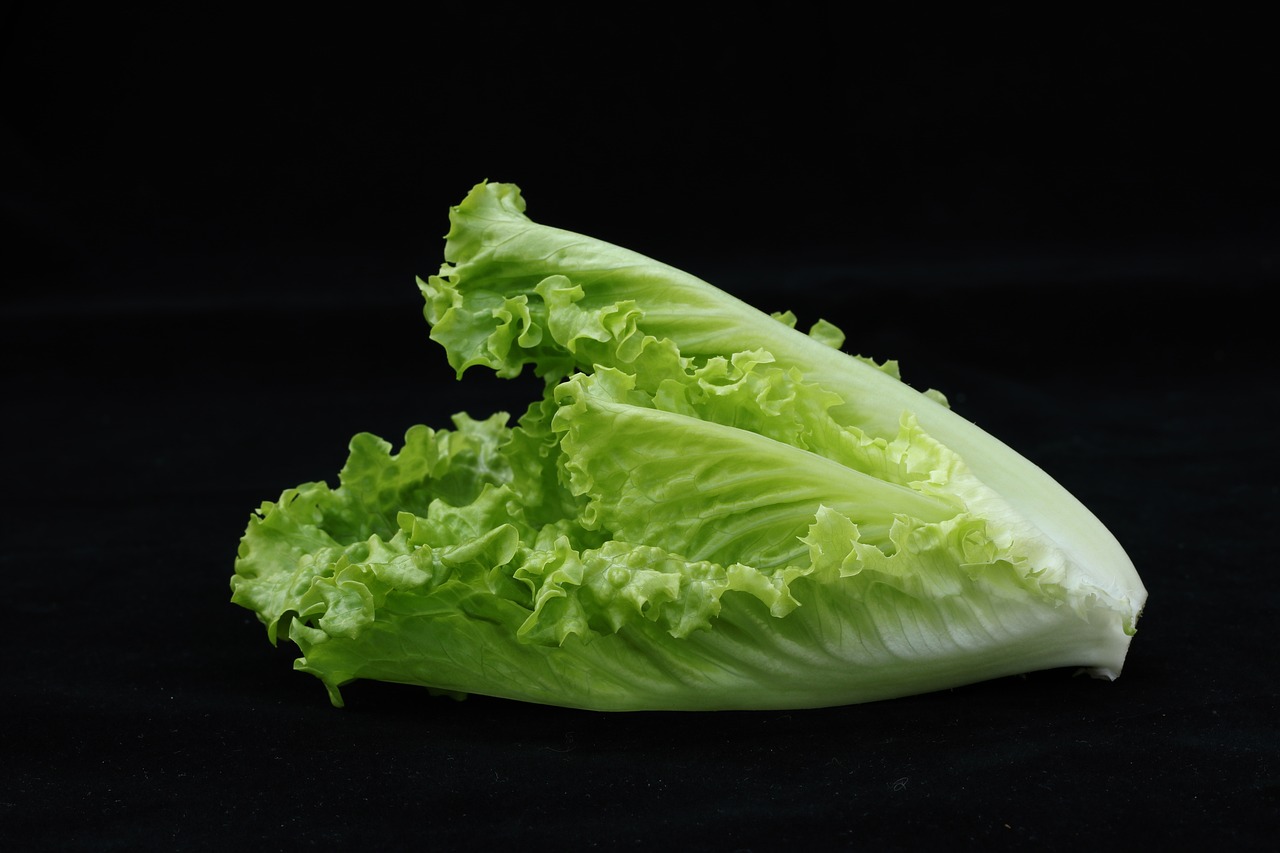
Taylor Farms sued by victims of 2024 E. coli outbreak

Seven victims of last autumn’s deadly E. coli O157:H7 outbreak have filed lawsuits alleging lettuce supplied by Taylor Farms to be the source of the outbreak.

The multi-state outbreak was investigated by the US Centers for Diseae Control and Prevention (CDC) in cooperation with the US Food and Drug Administration (FDA) and various state and local public health partners.

As a result of its traceback, sampling, and inspection efforts, the FDA’s Coordinated Outbreak Response & Evaluation (CORE) Network established that a single processor was the source of the contaminated romaine lettuce that sickened 89 people, resulting in 36 hospitalizations, 7 cases of hemolytic uremic syndrome (HUS), and one death.

The processor sourced the lettuce from a single grower.

The CDC and FDA closed their investigation on January 15, 2025, just one week before the inauguration of Donald Trump. According to the FDA’s final report, the processor, “…was not named during this outbreak because there was no product remaining in commerce.”

The FDA redacted the name of the processor from the version of the report obtained by eFoodAlert in response to a Freedom of Information Act request.

Thanks to an excellent piece of epidemiological detective work by the Marler Clark law firm, Taylor Farms has now been identified as the processor of the contaminated romaine lettuce.

Commenting on the law firm’s investigation in his Marler Blog, Bill Marler wrote, “Because we represent people and families from several states that were WGS matches to each other, it was not long until our on-staff Epidemiologist determined that the common link was that all clients consumed Taylor Farms romaine lettuce in the outbreak period.”

One of the victims represented by Marler Clark—a ten-year old child—experienced the following symptoms after consuming Taylor Farms romaine lettuce purchased by his parents at a Kroger supermarket (as extracted from the court filing):

On or about November 10, 2024, Plaintiff began to feel ill with symptoms including loss of appetite, nausea, diarrhea (that eventually became bloody), stomach cramps, fever, muscle aches and fatigue. 

The diarrhea, stomach cramping, and pain increased, and, by November 17, 2024, Plaintiff was seen in the emergency department of Hendricks Regional Health Brownsburg Hospital. 

Due to his deteriorating condition, Plaintiff was transferred to Riley Hospital for Children in Indianapolis. 

Plaintiff was hospitalized from November 17, 2024 to December 5, 2024. Plaintiff was diagnosed with life-threatening hemolytic uremic syndrome (HUS) due to E. coli O157:H7 that was confirmed to be a whole genome sequence (WGS) match to a nationwide outbreak linked to Defendants’ romaine lettuce. 

While hospitalized Plaintiff underwent 9 days of continuous renal replacement therapy (hemodialysis) followed by another five days of intermittent hemodialysis, and he received 5 blood transfusions over the 18 days he was hospitalized. He also required medication for blood pressure and pain management. He turned 10 while hospitalized. 

Since being released from the hospital, Plaintiff has continued medical and psychological care and Plaintiff is at risk for ongoing treatment, including the risk of kidney failure. 

The Trump administration has severely cut back FDA and CDC personnel since taking office, including axing communications teams, records management staff, and Freedom of Information management staff.

More and more, the future of food safety will have to rest on the shoulders of individual consumers, bloggers, and law firms such as Marler Clark.


TAINTED formats 3
“Reads like a true crime novel” – Food Safety News

Interested in learning more about food safety and the history of foodborne disease outbreaks and investigations?

Click on the link to listen to a short excerpt, then follow the buy links to add a digital, print, or audio copy to your personal library.


Chapter 6. Birth of a Pathogen
Advertisements

FDA stonewalls on source of deadly 2024 romaine lettuce outbreak

The US Food and Drug Administration (FDA) has declined to identify the source of E. coli O157:H7-contaminated romaine lettuce that sickened 89 people across 15 states in November 2024.

Seven of the outbreak victims developed hemolytic uremic syndrome (HUS), and one person died. Thirty-six individuals were hospitalized.

Outbreak cases were reported from Arkansas (2), Colorado (1), Illinois (7), Indiana (8), Kansas (1), Kentucky (1), Missouri (50), Montana (1), North Dakota (2), Nebraska (3), Ohio (8), Pennsylvania (1), South Dakota (1), Tennessee (1), and Wisconsin (2).

Information about the outbreak investigation was obtained from the FDA in response to a Freedom of Information Act (FOIA) request filed by eFoodAlert.

The US Centers for Disease Control and Prevention (CDC) identified seven subclusters in the multistate outbreak, including events linked to a Missouri-based caterer, and Ohio school, an Indiana restaurant, an Illinois restaurant, and an Illinois event catered by a different Missouri-based caterer.

Ninety-five percent (95%) of victims who responded to questionnaires reported consuming leafy greens prior to illness. Romaine lettuce was consumed by 88% of the outbreak victims who were able to remember the exact type of leafy green consumed.

The FDA was notified of the outbreak by the US Centers for Disease Control and Prevention on November 25, 2024. Traceback investigations by the FDA ultimately identified a single processor and a single grower as the source of Romaine lettuce supplied to all of the events that formed part of the outbreak.

On January 15, 2025, the FDA’s Coordinated Outbreak Response and Evaluation (CORE) team supplied the following traceback summary to the CDC:

A traceback investigation was initiated in response to a E. coli O157 outbreak with leafy greens as the suspected vehicle. Each case included in the traceback investigation reported consumption of leafy greens prior to illness onset. Based on information available at the points of service (POS), the traceback focused on iceberg and romaine lettuce. The investigation consisted of [redacted] traceback legs representing twenty-eight cases and [redacted] POS. The [redacted] traceback legs identified [redacted] distribution centers, [redacted] broker, [redacted] processors, [redacted] grower, and [redacted] ranch. The traceback investigation determined that a sole processor sourced romaine lettuce from [redacted] grower that would have been available at all points of service during the timeframe of interest. Additionally, romaine lettuce supplied to [redacted] POS was traced back to a common ranch and lot. Through analysis of records, [redacted] lot of romaine lettuce were implicated, resulting in confirmation of romaine lettuce as the vehicle.

The following traceback diagram included in the full CORE report illustrates the supply chain involved in the outbreak.

During the course of its investigtion, the FDA collected a total of twelve (12) environmental and water samples, but did not recover the outbreak strain from any of them.

The CORE report does not indicate whether the samples were collected at the grower or at the processor of the romaine lettuce.

The FOIA request filed by eFoodAlert sought “complete CORE investigation report and any documents related to this outbreak investigation, including Establishment Inspection Report(s), FDA Form 483(s), if issued, results of lab analyses, correspondence between FDA and CDC relating to this investigation.”

We received ONLY the CORE investigation Executive Summary and two emails.

We did NOT receive the requested results of lab analyses.

We did NOT receive a copy of any Establishment Inspection Report (either for the grower or the processor), which would have provided the identity of the establishment(s).

According to the CORE report, no [adverse] observations were noted (ie., no FDA Form 483 issued).

The CDC never posted a public notice for this outbreak.

The FDA chose not to release the name of the grower or the processor because “…there was no product remaining in commerce.”

The victims of this outbreak have a right to know the source of the product that made them ill, and have the right to seek compensation.

The restaurants and caterers who purchased the produce deserve to know the source of the contaminated romaine lettuce so that the can choose to use different suppliers in future.

Finally, deterrence is—or should be—a weapon in the food safety arsenal. If a grower, processor, or manufacturer of any food product knows that they will be identified by name in the event that their product is the source of a foodborne disease outbreak, they will be more likely to take steps to avoid supplying contaminated product to the public.


TAINTED formats 3
“Reads like a true crime novel” – Food Safety News

Interested in learning more about food safety and the history of foodborne disease outbreaks and investigations?

Click on the link to listen to a short excerpt, then follow the buy links to add a digital, print or audio copy to your personal library.

Chapter 6. Birth of a Pathogen

Recalls and Alerts: January 28–29, 2025

Here is today’s list of food safety recalls, product withdrawals, allergy alerts and miscellaneous compliance issues. The live links will take you directly to the official recall notices and company news releases that contain detailed information for each recall and alert.

If you would like to receive automatic email alerts for all new articles posted on eFoodAlert, please submit your request using the sidebar link.


“A complete and compelling account of the hidden and not-so-hidden ways the food we give our beloved pets can be contaminated.” JoNel Aleccia, Health Reporter, Food & Nutrition, The Associated Press.

“An invaluable resource for busy pet owners” – Food Safety News

Available from all major on-line retailers, including:


Outbreak/Illness Investigations

CANADA (Update): PHAC reports that the Salmonella outbreak linked to imported frozen mini-pastries has grown to 69 confirmed cases, including 22 hospitalizations. Cases have been reported from British Columbia (4), Alberta (3), Ontario (24), Québec (37), and New Brunswick (1). An addition recall associated with this outbreak has been announced (see below).

FRANCE: Santé Publique France reports 11 cases of hemolytic uremic syndrome associated due to infection with shiga toxin-producing E. coli. The cases have been linked to Morbier raw milk cheese produced by Perrin-Vermot. The manufacturer has recalled Jean Perrin brand Morbier 45 jours wedges (180g; All lots; All Use by dates between 08/01/2025 and 18/02/2025).

United States

Allergy Alert: La Fiesta Food Products, LLC recalls La Fiesta brand Bread Crumbs (Pan Rayado) (8 oz; Lots 26032, 26073, 26082, 26092, 26094; UPC 032327000886) and La Fiesta brand Bread Crumbs Seasoned (Pan Rayado Sazonado) (8 oz; Lots 26094, 26123; UPC 032327000887) due to undeclared sesame.

Allergy Alert Update: Wismettac Asian Foods, Inc. expands its earlier recall of Shirakiku brand Curvee Puffs Corn Puff Snack Curry Flavor to include two additional flavors due to undeclared milk. Please refer to the recall notice for an updated list of affected products.

Food Safety Recall: Braga Fresh Foods LLC recalls Simple Truth Organic, BROCCOLI FLORETS, STEAM IN BAG (12 oz; Batch code BFFS295A21 13:31; Best if used by NOV 08 2024; Product of Mexico) due to possible Listeria monocytogenes contamination.

Food Safety Recall: CORFU TASTY GYROS recalls Corfu Tzatziki sauce and Unbranded Tzatziki sauce (Batch 3064) due to possible Salmonella contamination. Please refer to the Enforcement Report for additional packaging details.

Food Safety Recall: Pacific Coast Producers recalls Diced Bartlett Pears In Extra Light Syrup (105 oz metal can; Batch code 6PDL 05 A2644) due to possible foreign matter contamination (plastic pieces).

Canada

Allergy Alert Update: AFOD Ltd., APO Products, Uno Foods Inc. recall three Century brand canned tuna products due to undeclared wheat (gluten). Please refer to the recall notice for an updated list of affected products.

Allergy Alert:  No Sugar Company Ltd. recalls No Sugar Company brand Shellz Dark Chocolatey Peanut Crunch (570g; Best by 2026MR11 1E255 OR 2E255; UPC 6 87910 00665 2) due to improperly declared milk.

Food Safety Recall: Euro Harvest Wholesale Bakery, Importations Piu Che Dolci Inc. recall D. Effe T. brand Lemon Delight (1180 g (1 box x 9 pieces); All best before dates up to and including 12/11/2025; UPC 8 058302 730097) and D. Effe T. brand Tartlet with Forest Fruits (1170 g (1 box x 9 pieces); All best before dates up to and including 12/11/2025; UPC 8 058302 730080) due to possible Salmonella contamination.

United Kingdom and Ireland

Food Safety Recall (Ireland): Heineken UK recalls Newcastle Brown Ale (550 ml; Lots L4321, L4322, L4323, L4324, L4325 and L4326; Best before 30/11/2025) due to possible foreign matter contamination (glass fragments).

Food Safety Recall (UK): Coco-Cola Europacific Partners recalls a small number of their soft drinks range because they may contain elevated levels of Chlorate. Please refer to the recall notice for a complete list of affected products.

Hong Kong and Singapore

No Alerts

Australia and New Zealand

Allergy Alert (New Zealand): LollyShop recalls LollyShop brand Frosted Caramels (175g; Best before 04/10/2025) due to undeclared gluten and wheat.

Food Safety Recall (Australia): REX IMPORTS AUSTRALIA PTY LTD recalls a number of Cape Herb & Spice Grinders due to foreign matter contamination (plastic). Please refer to the recall notice for a complete list of affected products.

Advertisements

TAINTED formats 3
“Reads like a true crime novel” – Food Safety News

Interested in learning more about food safety and the history of foodborne disease outbreaks and investigations?

Click on the link to listen to a short excerpt, then follow the buy links to add a digital, print or audio copy to your personal library.

Chapter 6. Birth of a Pathogen

TAINTED is available in digital format from all major on-line retailers. Press the button to go directly to your preferred digital bookstore.


Links to national recall sites

Australia

Austria

Belgium

Canada

Czechia (Czech Republic)

Denmark

Finland

France

Germany

Greece

Hong Kong

Hungary

Iceland

Ireland (Republic of)

Israel

Italy

Lithuania

Luxembourg

Netherlands

Norway

Romania

Singapore

Slovakia (Slovak Republic)

Spain (food safety alerts)

Spain (allergy alerts)

Sweden

Switzerland

United Kingdom

United States of America (FDA)

United States of America (USDA/FSIS)