
To Safer Infant Formulas and doing away with Botulism, Cronobacter sakazakii, Salmonella and Bacillus cereus

NOTE: This post on Marler Blog was written by food safety attorney, Bill Marler, and is reposted here with the author’s permission.
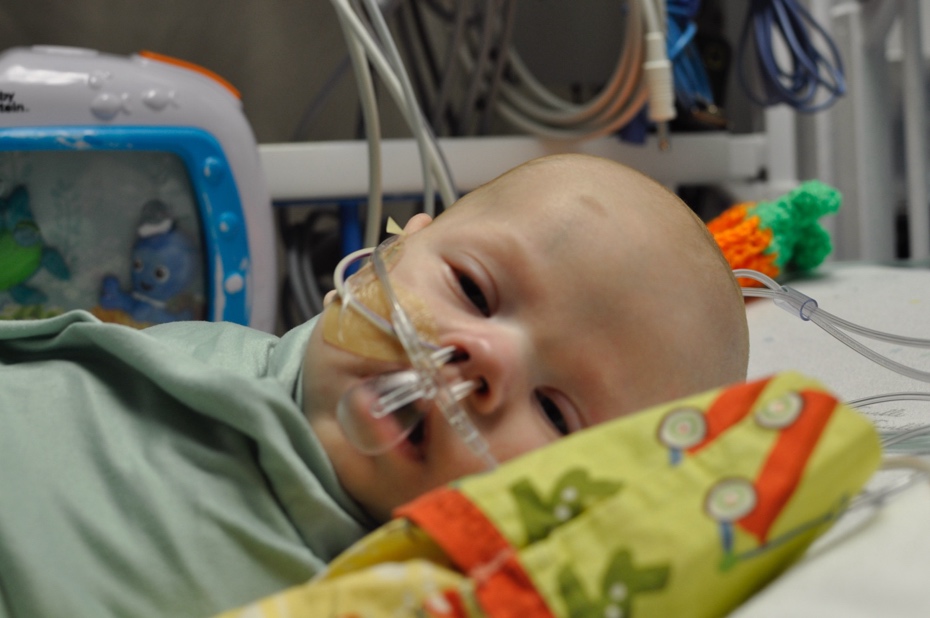
A bit over a month ago, I was set to testify before the House and Senate Safe Food Caucus in D.C. Instead, the night before I had a heart attack. I am fine. I got great care at Howard University Hospital and have made a complete recovery – although changing a few habits going forward.

I had been asked to share some thoughts on the infant formula industry’s inability to make sure that such a critical food item is safe. As I sit here on this Sunday afternoon I am puzzled how we can spend countless billions on yet another unnecessary war and even more billions on AI and robots to make most of us irrelevant and we cannot make infant food safer? Here is some of what I wanted to discuss. I am sure there are other ideas – I would love to hear them.

Infant formula has until recently been considered low risk for C. botulinum (and, then there are other pathogens – Cronobacter sakazakiiSalmonella and recently, Bacillus cereus of concern).

The recent C. botulinum outbreak and the mixed picture you get from looking at the multitude of WGS sequences on NCBI indicates that infant formula might be riskier. We need a new risk assessment of C. botulinum (and other pathogens) in infant formula and its constituent ingredients and how to control the pathogens in powdered infant formula (PIF). For C. botulinum we need more information about:

How often is infant formula and its constituents contaminated with C. botulinum spores?

Do we detect the pathogen when we need to? We need to assess if the current methods are good enough (sensitive enough)?

How often is a product contaminated with more than one strain of C. botulinum (multiple WGS profiles)? How many isolates (colonies on a plate) from each sample should be sequenced to detect all contaminants?

Should we routinely culture infant formula from cases of infant botulism when the child has been fed such a product? (I highly suspect that infant formula is causing many more cases of infant botulism than we know of at the moment).  

How do we best control C. botulinum spores in infant formula. We need studies on methods to control C. botulinum more efficiently in infant formula.

Do we need new regulations and redefined best practices for the production of infant formula and detecting and culturing the organism from product, environment and patients? 

Perhaps as a start:

Fund a risk assessment on the prevalence of C. botulinum spores, Cronobacter sakazakiiSalmonella and Bacillus cereus and sulfite reducing clostridia (as indicators) in:

            a.         raw milk

            b.         pasteurized milk

            c.         dairy powders – including whole milk powder, whey powder, whey protein concentrates, whey protein hydrolysates, nonfat dry milk, skim milk powder 

A specific risk assessment on the prevalence of C. botulinum spores and sulfite reducing clostridia in Powdered infant formula

Risk assessment on the prevalence of C. botulinum spores in minimally processed (non-retort thermally processed) commercial baby foods fed to children <1 year of age

Risk assessment on the prevalence of C. botulinum spores in low moisture infant first foods (puffs, cereals (rice and oatmeal), peanut butter, etc.)

Processing strategies to minimize spores in PIF – investigate technologies to reduce spores in infant foods while maintaining nutritional standards

Impact of farming practices on the incidence of C. botulinum spores in milk 

            a.         Prevalence of C. botulinum spores in silage, bedding, etc., at the farm

            b.         Milk collection on organic vs. conventional dairy farms

Improved resources for the tracking and following up of Infant Botulism cases to determine the source of botulism outbreaks

Bottom line for control of spores in powdered infant formula (PIF): either they destroy all the spores or reformulate to lower the incidence of spores in PIF (at least down to where it was prior to the addition of whole milk powder into the formulations of PIF). Because PIF is fed to infants from Day 1 it should be commercially sterile. Leave it up to the companies to determine how to make PIF commercially sterile. At the very least I would suggest that until a study is conducted to show the prevalence of C. botulinum spores in whole milk powder and a risk assessment is conducted, any formulation that contains whole milk powder should not enter into commerce.


It is inarguable that breastfeeding is the “gold standard” of infant nutrition. Unfortunately, not every woman is capable of providing an adequate supply of breast milk to her newborn.

Infant formula was developed originally as a means of supplementing a woman’s breast milk. Over the decades, it has grown into a Frankenstein’s monster—an ultraprocessed convenience food manufactured on a massive scale and heavily marketed to the medical profession and to individual consumers.

While the ultimate decision of breast- versus bottle-feeding rests with the mother, the responsibility for ensuring that infant formula is both safe and nutritious must sit on the shoulders of the industry and the FDA (and its sister agencies around the world).

The industry and its regulators have abrogated their responsibility for far too long. Bill Marler’s suggestions are sensible and long overdue.

Recalls and Alerts: March 13–15, 2026

eFoodAlert posts links to recalls for English-language countries only. If you are interested in recall information for other countries (including EU-member countries), please click on the Recall Link menu, above.

The live links in this post will take you directly to the official recall notices and company news releases that contain detailed information for each recall and alert.

If you would like to receive automatic email alerts for all new articles posted on eFoodAlert, please submit your request using the sidebar link.

Advertisements

TAINTED formats 3
“Reads like a true crime novel” – Food Safety News

Interested in learning more about food safety and the history of foodborne disease outbreaks and investigations?

Click on the link to listen to a short excerpt, then follow the buy links to add a digital, print or audio copy to your personal library.

Chapter 6. Birth of a Pathogen

Outbreak/Illness Investigations

CANADA (Update): The Public Health Agency of Canada continues to monitor an outbreak of Salmonella illnesses linked to the consumption of contaminated pistachios and pistachio-containing products imported from Iran. To date, 178 outbreak cases have been confirmed in six provinces. Twenty-five individuals have been hospitalized. There have been no deaths. The investigation is ongoing.

FRANCE: Public health officials have identified 12 cases of Listeria monocytogenes infections in an outbreak that began in October 2025. Seven of the cases occurred in January 2026. All twelve victims were hospitalized and two people have died. The median age of outbreak victims is 81. The outbreak has been linked to ready-to-eat deli meats produced by Drôme Ardèche Tradition located in Bourg de Péage, France. The manufacturer has initiated a recall.

USA and INTERNATIONAL WATERS: The CDC Vessel Sanitation Program is investigating a Norovirus outbreak on the Star Princess (Princess Cruises). More than 100 passengers and 49 crew members have reported diarrhea and/or vomiting. The VSP is conducting an environmental assessment and outbreak investigation in response to the reported illnesses.

Advertisements

United States

Allergy Alert: Lidl US

Pet Food Advisory: FDA cautions consumers that eight Quest Cat Food products manufactured by Go Raw LLC dba Steve’s Real Food contain extremely low levels of thiamine. Early signs of thiamine deficiency in cats may present as gastrointestinal symptoms, including decreased appetite and vomiting. Some cats may start to show symptoms in as little as one week, but for others it may take months to become symptomatic. The company has recalled only three of the eight lots so far.

Canada

Allergy Alert: Flash Express (Mirabel, QC) recalls three prepared dishes due to undeclared wheat, milk, soy, and/or sulphites.

Allergy Alert: L’Aromate Culinaire inc. (Blainville, QC) warns consumers that TOURTIÈRE A LA BRISKET 
DE BŒUF / Beef brisket meat pie
(1 kg; All lots) contains undeclared sulphites.

Food Safety Recall: La petite chocolatière inc. (Lanoraie, QC) recalls TABLETTE DE CHOCOLAT 
DUBAÏ / Dubai chocolate bar
(Sold betwee 21 August and 27 October 2025) due to possible Salmonella contamination.

Food Safety Recall: Escomptes Fortin (Québec, QC) recalls Chicken croquettes (1 kg; All lots) and Breaded chicken filet (2 kg; All lots) due to absence of labeling indicating that the product is raw and absence of cooking instructions.

Advertisements

Ireland and United Kingdom

Allergy Alert (UK): Walkers recalls Walkers Hot Honey Crisps (6 x 25g; Batch code GBB 584 031; Best before 16 May 2026) due to undeclared milk.

Hong Kong and Singapore

Allergy Alert (Singapore): Y K Private Limited recalls Longan Pulp (500g; Production date Jan 2026; Product of China) due to undeclared sulphur dioxide.

Infant Formula Safety Recall (Singapore): Singapore Food Agency orders recall of Nestle NAN HA2 (for infants) (800g; Batch #52750017C1; Expiry 31/10/2027; Product of Switzerland) and Nature One Dairy Premium Toddler Milk Formula – Stage 3 (900g; Batch #326251110; Expiry 10/11/2027 & 11/11/2027; Product of Australia) due to presence of cereulide toxin (produced by Bacillus cereus).

Australia and New Zealand

Food Safety Recall (New Zealand): Goodfood Group Limited recalls Emborg Emmentaler Cheese (200g; Best before 05.11.26; Product of Germany) due to possible Listeria monocytogenes contamination.

Advertisements


“A complete and compelling account of the hidden and not-so-hidden ways the food we give our beloved pets can be contaminated.” JoNel Aleccia, Health Reporter, Food & Nutrition, The Associated Press.

“An invaluable resource for busy pet owners” – Food Safety News

Recalls and Alerts: February 21–22, 2026

eFoodAlert posts links to recalls for English-language countries only. If you are interested in recall information for other countries (including EU-member countries), please click on the Recall Link menu, above.

The live links in this post will take you directly to the official recall notices and company news releases that contain detailed information for each recall and alert.

If you would like to receive automatic email alerts for all new articles posted on eFoodAlert, please submit your request using the sidebar link.


TAINTED formats 3
“Reads like a true crime novel” – Food Safety News

Interested in learning more about food safety and the history of foodborne disease outbreaks and investigations?

Click on the link to listen to a short excerpt, then follow the buy links to add a digital, print or audio copy to your personal library.

Chapter 6. Birth of a Pathogen

Outbreak/Illness Investigations

No Alerts

United States

Food Safety Recall: Rosina Food Products, Inc. recalls Bremer FAMILY SIZE ITALIAN STYLE MEATBALLS (RTE frozen) (32 oz packages containing ~64 meatballs; Best by 10/30/26 with timestamps between 17:08 through 18:20 ) due to possible foreign matter contamination (metal fragments).

Food Safety Recall: Made Fresh Salads, Inc. recalls Made Fresh Salads assorted cream cheese flavors (5 lb tubs; Expiration dates through February 27, 2026) due to possible Listeria monocytogenes contamination.

Canada

Food Safety Recall: Kendal Nutricare Canada Ltd. recalls Kendamil brand Infant formula with whole milk – Milk based powder with iron (1049g; Lot code L 897274 M 121 & L 888632 M 121; Best before 2027 MA 01; UPC 8 50045 23826 1) due to cereulide toxin (produced by Bacillus cereus). The recalled product was sold only at Costco Wholesale, Canada in stores nationwide and online.

Ireland and United Kingdom

No Alerts

Hong Kong and Singapore

No Alerts

Australia and New Zealand

No Alerts


“A complete and compelling account of the hidden and not-so-hidden ways the food we give our beloved pets can be contaminated.” JoNel Aleccia, Health Reporter, Food & Nutrition, The Associated Press.

“An invaluable resource for busy pet owners” – Food Safety News