Multiple samples of SportMix pet foods, manufactured by Midwestern Pet Foods, Inc., contained in excess of 400 parts per billion (ppb) of aflatoxin, according to information contained in a U.S. Food and Drug Administration (FDA) Inspectional Observations report (Form 483) dated 5 February 2021.
The FDA’s action level for aflatoxin in pet food is 20 ppb.
The contaminated pet foods, which were manufactured in Midwestern’s Chickasha (Oklahoma) production facility, were part of a major pet food recall announced by the company on December 30, 2020. The scope of the recall was expanded on January 11, 2021.
The recalled products had been sold nationwide across the USA and exported to 35 countries around the world.
The backstory
In December 2020, the FDA was informed of at least 28 dogs that had died and an additional eight that became ill after they were fed a SportMix pet food product.
As of January 21, 2021, the number of affected animals had reached 110 dead companion animals and an additional more than 210 sick pets. All of the deaths and illnesses were associated with a Midwestern Pet Foods dry pet food.
According to a spokesperson for the FDA, most of case reports involve dogs. The agency has received a few reports of cats who have been sickened by the contaminated pet food.
On December 31, 2021, the FDA initiated an investigation of Midwestern’s Chickasha facility. The inspection was completed on February 5, 2021.
The results of the investigation
The FDA and various state departments of agriculture tested numerous samples of Midwestern’s dry pet food products with the following results:
- The Missouri Department of Agriculture tested eight samples from Lot Code 03032205L38162, including both SportMix Premium High Energy dog food and SportMix Original Recipe cat food. Total aflatoxin concentrations in these retail samples ranged from 483 ppb to 558 ppb.
- The Office of the Texas State Chemist tested seven samples of Sportmix Premium Energy Plus dog food (Lot Code 03032205L3B164), which contained 395 ppb of total aflatoxin, and SportMix Original Recipe cat food (Lot Code 04292205L3B163), which contained 125 ppb. All seven samples contained levels of aflatoxin above the acceptable level.
- The FDA tested retail samples of SportMix Premium High Energy dog food and SportMix Original Recipe cat food (Lot Code 04292205). The agency lab found 27.2 ppb of aflatoxin in a 31-lb bag of cat food and 21.5 ppb in a 15-lb bag of cat food.
- While the FDA investigation was in progress, Midwestern arranged for a third-party lab to test retained samples of several pet food products that already had been distributed. The lab reported four positive test results: SportMix Energy Plus 24/20 (40.2 ppb), SportMix Stamina 24/18 (135.32 ppb), SportMix High Energy 26/18 (324.10 ppb) and SportMix Original Cat 30/10 (428.04 ppb).
- The Kansas Department of Agriculture (KDA) collected retail samples of three Midwestern pet food products. Two of the products were negative (less than 1 ppb) for aflatoxin. A sample of Sports Trail (Expiry date 03/08/22/05) contained 83.3 ppb aflatoxin. This information was supplied to eFoodAlert by the KDA in response to an Open Record Request.
- The New Mexico Department of Agriculture collected and analyzed twelve samples, according to a spokesperson for the agency. A single sample of Sportmix Original Cat Food (Lot: EXP 04/29/22/05/L3/B167 14:21) was found to contain 46 ppb aflatoxin.
How did this happen?
Although the company performed on-site sample collection and analysis for aflatoxin on incoming shipments of corn, its Standard Operating Procedure (SOP), dated 8/17/18, for preparing samples for analysis was not correct, producing inaccurate test results.
The SOP was amended, effective 8/25/20, when a new test system was implemented.
In other words, for two years, the Chickasha production plant was underestimating the possible presence of aflatoxin in its incoming corn—the primary ingredient in many of its pet food products.
In addition to the aflatoxin issue, the FDA inspectors also noted that the company did not have an effective control in place to minimize or prevent the risk of Salmonella in its pet foods, nor did it control for two other mycotoxins, namely, fumonisin and vomitoxin.
Finally, after changing its aflatoxin testing system in August 2020, the company did not reanalyze its Food Safety Plan to reflect the change to its testing system or to include the required sample collection, preparation and testing protocol to be used.
Why is aflatoxin contamination a concern?
Aflatoxin is produced when the mold, Aspergillus flavus, grows on corn.
Dogs and cats are extremely sensitive to this toxin. When aflatoxin is consumed at low levels over a period of time, it can cause anorexia, depression, prostration, liver damage, hemorrhages, and other symptoms. At higher concentrations, it is lethal.
For dogs, a lethal dose of aflatoxin is 0.5-1.0 mg per kg of body weight, and 60µg per kg can be a toxic (even though nonlethal) dose.
Acute—deadly—poisoning has been documented in the past in dogs that had consumed commercial dry pet food contaminated with as little as 80-300 ppb aflatoxin.
The effects of aflatoxin poisoning on the system are cumulative, according to the FDA.
The victims
At least three lawsuits have been filed since pet owners became aware of the Midwestern aflatoxin contamination. Here are just a few of the stories, extracted from the formal Class Action Complaints:
- Plaintiff Williams (Georgia) fed SportMix premium High Energy to his three American Pitbull Terriers, Jamaica, Red and Dozer. He had purchased the food in December 2020. All three dogs experienced sluggishness and gastrointestinal issues after consuming the food. Two of the dogs—Jamaica and Red—died suddenly and unexpectedly. Jamaica had given birth to a litter of eight puppies shortly after Christmas. All eight puppies also died. Dozer was the only survivor.
- Plaintiff Woodall (North Carolina) purchased Sportmix Energy Plus in November or December 2020 and fed it to his previously healthy dog. Billy experienced loss of appetite, weight loss, gastrointestinal issues and growths on his intestines and anus. He was ultimately euthanized in early January 2021.
- Plaintiff Griffin (Texas) purchased Sportmix Energy Plus in December 2020 and fed it to her rottweiler, Bishop. The dog experienced skin issues, gastrointestinal problems and testicular swelling. He was treated by a veterinarian (including neutering to address the swelling) and survived, but still experiences symptoms.
- Plaintiff Romero fed SportMix pet food to her two dogs on Christmas Day, 2020, after which both dogs became seriously ill and were euthanized.
- Plaintiff Starnes fed SportMix to his dogs, three of which died after becoming suddenly ill and appearing jaundiced.
- Plaintiff Lill’s two dogs became ill after consuming SportMix. One dog began vomiting after being fed, and Lill switched to another food for that dog, who recovered. The other dog continued to eat SportMix, became jaundiced, had diarrhea, and died on December 20, 2020 on the way to the veterinarians office.
What pet owners should know, according to the FDA
There is no evidence to suggest that pet owners who handle products containing aflatoxins are at risk of aflatoxin poisoning. However, pet owners should always wash their hands after handling pet food and treats.
If your pet is showing signs of aflatoxin poisoning such as sluggishness, loss of appetite, vomiting, jaundice (yellowish tint to the eyes, gums or skin due to liver damage), unexplained bruising or bleeding, and/or diarrhea, contact a veterinarian immediately. If your pet passes away prior to seeing a veterinarian and you suspect possible aflatoxin exposure, contact your veterinarian to discuss whether an autopsy (necropsy) may be appropriate to determine the cause of death.
Provide a full diet history to your veterinarian, including what food or pet treats, you (or other household members) give the pet, and what other food or items the pet might have been exposed to. You may find it helpful to take a picture of the pet food label, including the lot number and best-by date. If your veterinarian suspects the food is the source of aflatoxins, having the lot code and best-by date helps FDA identify exactly when the contamination occurred and what other products might also be affected. This can help prevent other pets from getting sick. Don’t feed the products to your pets or any other animals.
Pet owners can report suspected illness to FDA electronically through the Safety Reporting Portal or by calling your state’s FDA Consumer Complaint Coordinators. It’s most helpful if you work with your veterinarian to submit a pet’s medical records as part of the report. For an explanation of the information and level of detail that would be helpful to include in a complaint to FDA, please see How to Report a Pet Food Complaint.
It’s also helpful if you save the food in its original package, in case it’s needed for testing. If testing is not needed, contact the company listed on the package for further instructions or throw the products away in a way that children, pets and wildlife cannot access them.
If your pet is otherwise healthy, but you are still concerned about potential aflatoxin contamination in your pet’s food, it’s best to consult with your veterinarian before making changes to your pet’s diet, especially if your pet has other health conditions that require a specialized or restricted or diet.

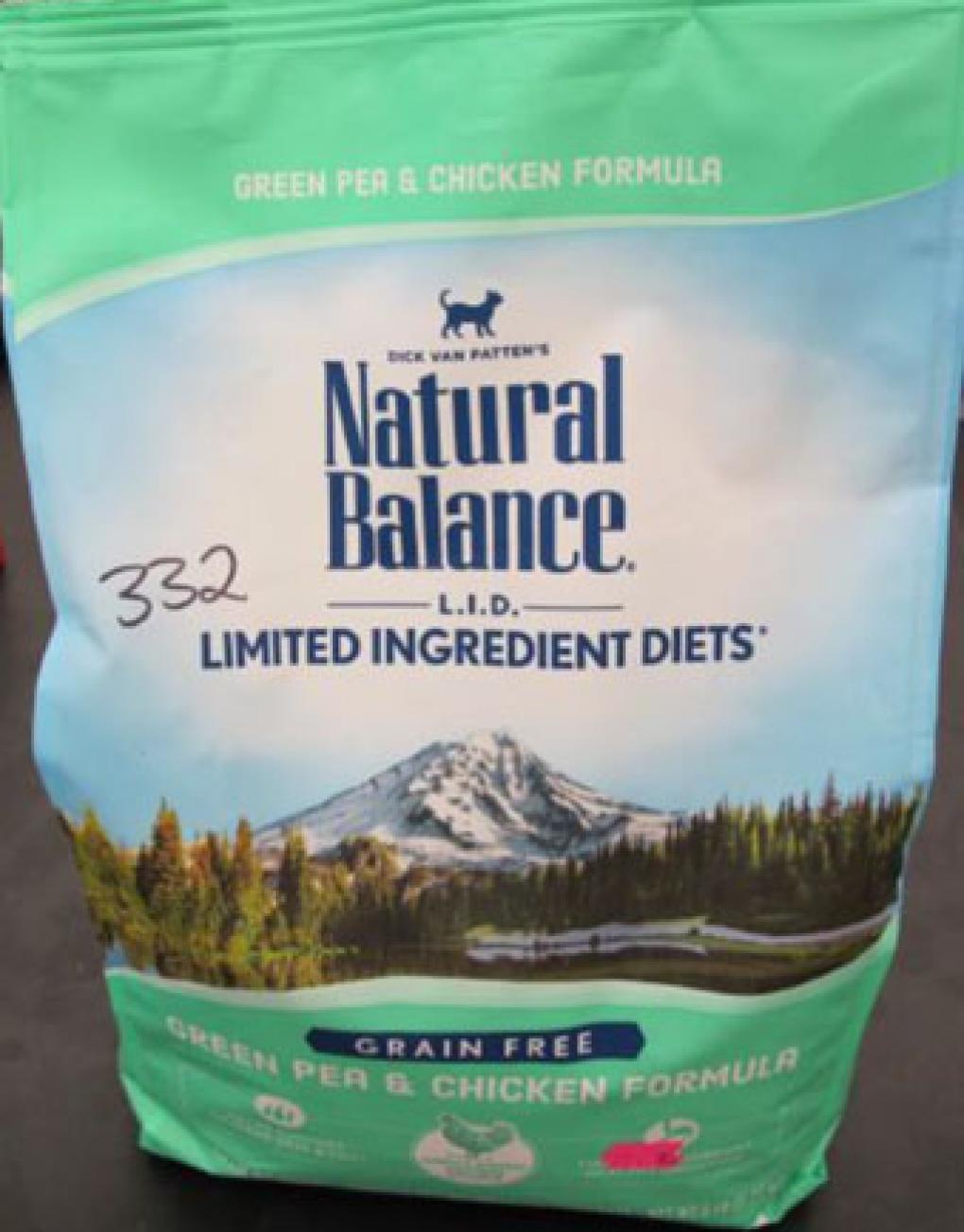 The company initiated the recall following a Salmonella-positive test result in a routine state surveillance sample obtained by the Minnesota Department of Agriculture.
 Zuke’s Mini Naturals dog treats have been withdrawn by the company.


