At no time in its twenty-four year history has Sunland, Inc. released for distribution any products that it knew to be potentially contaminated with harmful microorganisms.
– Jimmie Shearer, President and CEO, Sunland, Inc.
 On November 14, 2012, FDA issued the following update to its investigation of the Salmonella Bredeney peanut butter outbreak.
“November 14, 2012 – FDA posts observations from recent inspection at Sunland Inc.
The FDA has made the observations from its recent inspection of Sunland Inc. publicly available. This inspection was conducted between September 17 and October 16, 2012, and became part of the investigation of the Salmonella Bredeney outbreak linked to peanut butter made by Sunland Inc.
During this inspection investigators found that conditions in the company’s facility, the company’s manufacturing processes, and the company’s testing program for Salmonella may have allowed peanut butter that contained Salmonella to be distributed by the company.
The FDA found that between June of 2009 and August of 2012, Sunland Inc. had distributed, or cleared for distribution, portions of 11 lots, or daily production runs, of peanut or almond butter after its own testing program identified the presence of at least one of nine different Salmonella types (Arapahoe, Bredeney, Cerro, Dallgow, Kubacha, Mbandaka, Meleagridis, Newport, and Teddington) in those lots. Two of these lots showed the presence of the outbreak strain of Salmonella Bredeney.
Equally important, five product samples collected and analyzed by FDA from Sunland Inc. showed the presence of Salmonella, but had not been identified as containing Salmonella by Sunland Inc.’s internal testing. Among those products were peanut butter and shelled raw peanuts. Two of these samples showed the presence of the outbreak strain of Salmonella Bredeney.
Additionally, during its inspection of the plant in September and October 2012, the FDA found the presence of Salmonella in 28 environmental samples. Three of these samples showed the presence of the outbreak strain of Salmonella Bredeney.
Upon identifying the contaminated peanut butter, FDA investigators informed the company and called for corrective action. On October 4, 2012 Sunland Inc. expanded its ongoing recall to include all products made in the Sunland Inc. nut butter production facility between March 1, 2010 and September 24, 2012.
Upon identifying the contaminated shelled raw peanuts, FDA investigators informed the company and again called for corrective action. On October 12, 2012 Sunland Inc. expanded its ongoing recall to include raw and roasted shelled and in-shell peanuts sold in quantities from 2 ounces to 50 pounds which are within their current shelf life or have no stated expiration date.
Additionally, investigators found that employees improperly handled equipment, containers, and utensils used to hold and store food. Employees handling peanut products wiped gloved hands on street clothes and other times failed to wash their hands or change gloves. There were no hand washing sinks in the peanut processing building production or packaging areas and employees had bare-handed contact with ready-to-package peanuts.
There were no records documenting the cleaning of production equipment. The super-sized bags used by the firm to store peanuts were not cleaned despite being used for both raw and roasted peanuts. There was a leaking sink in a washroom which resulted in water accumulating on the floor, and the plant is not built to allow floors, walls and ceilings to be adequately cleaned.
Finally, investigators found that raw materials were exposed to potential contamination. Raw, in-shell peanuts were found outside the plant in uncovered trailers. Birds were observed landing in the trailers and the peanuts were exposed to rain, which provides a growth environment for Salmonella and other bacteria. Inside the warehouse, facility doors were open to the outside, which could allow pests to enter.
The FDA is currently evaluating Sunland Inc.’s official response to FDA’s observations from the inspection.”
Yesterday – November 15th – Sunland responded with this statement:
“At no time in its twenty four year history has Sunland, Inc. released for distribution any products that it knew to be potentially contaminated with harmful microorganisms. The Company has followed internal testing protocols that it believed resulted in the isolation and destruction of any product that did not pass the test designed to detect the presence of any contaminants. In every instance where test results indicated the presence of a contaminant, the implicated product was destroyed and not released for distribution. The Company believed at all times that its response was sufficiently robust such that any product which might be contaminated was isolated and destroyed.
Sunland, Inc. continues to cooperate openly with FDA to address matters related to the recent recall of its products and the inspection of its manufacturing facilities. Sunland has submitted a comprehensive point by point response to the Form 483 observations issued at the close of the inspection. The Company’s response is currently under review by the agency. We believe that drawing any inferences much less conclusions about the Company’s practices based solely on the observations as set forth in the Form 483 without considering the Company’s response would be wholly premature and unduly prejudicial to Sunland. The Company believes that its response to the Form 483 will not only help the agency understand the Company’s decision-making process but also lead the agency to confirm that such decision-making was, at all times, conducted in good faith. In deference to the agency’s review process, the Company will not publicly discuss its responses until the agency has completed its review.”
Sunland has not denied that contaminants were found. Nor has it denied that multiple strains of Salmonella were present at various times and in various locations, in its finished products, its raw peanuts, and its production environment.
How does a food processor allow this magnitude of contamination to exist in its finished products and in its production facility for more than three years? What does this say about the ethics of the company’s owners and management?
Or has ethical behavior become an oxymoron in the food industry?


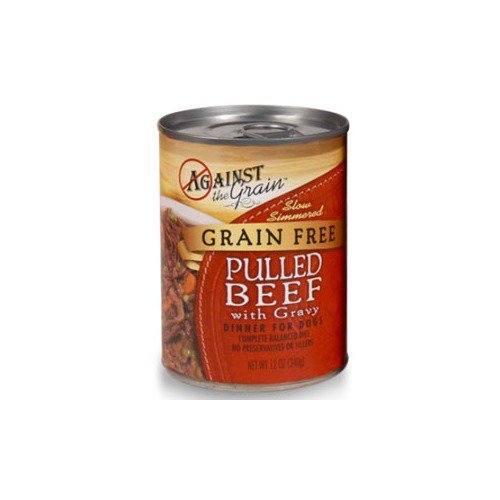
 In addition to the presence of pentobarbital, FDA reports a bill of lading from Evanger’s supplier of ‘Inedible Hand Deboned Beef – For Pet Food Use Only. Not Fit for Human Consumption’. This is despite Evanger’s claim that the beef in its Hunk of Beef product came from a ‘USDA approved’ supplier. FDA also has determined that the supplier’s facility does NOT have a grant of inspection from USDA’s Food Safety and Inspection Service. The meat from the supplier does not bear a USDA inspection mark and would not be considered human grade. Lab testing by USDA-FSIS of Evanger’s Hunk of Beef confirmed that the meat in the product was beef.
 The extensive ‘voluntary’ pet treat recall announced on February 19th by


