

Files now closed on Salmonella in jalapeños and Cyclospora in lettuce
October 2, 2026
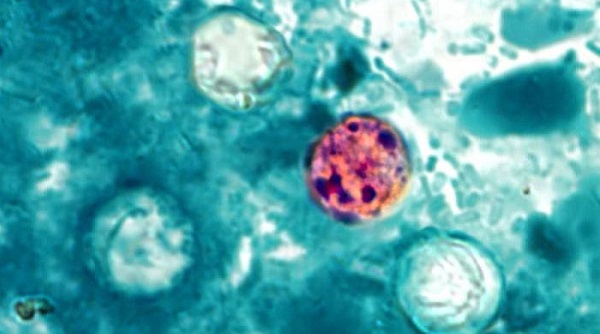
Salmonella outbreak linked to jalapeño peppers
On August 5, 2026, the CDC alerted the public to a Salmonella outbreak linked to consumption of jalapeño peppers imported from Mexico.
The initial report described 345 cases in 27 US states, and 36 people required hospitalization due to the severity of their symptoms. The first confirmed patient in the outbreak developed symptoms on June 16, according to the CDC timeline chart, although the verbal description accompanying the notice stated that illnesses “…started on dates ranging from June 19, 2026 to July 20, 2026.”
By the time the CDC issued its final update on October 2, 2026, the size of the outbreak had grown to encompass 488 outbreak victims and had spread to include 34 states. Sixty-five people were hospitalized for treatment of their symptoms.
The FDA conducted traceback investigations based on outbreak victims’ reports on where and what they had eaten in the week prior to falling ill. The traceback led to a single importer, Coast Citrus Distributors, and a single source, identified simply as a grower in Sinaloa, Mexico.
In its final outbreak investigation update, the FDA reported:
FDA investigators visited a common Mexican distributor identified through traceback and conducted an inspection that included observing operations, reviewing records, and sample collection. At the time of inspection, no jalapeños were available for sampling. FDA collected environmental samples which were all reported as negative for Salmonella. FDA was unable to determine a route or source of contamination for this outbreak.
Cyclospora outbreak linked to iceberg lettuce
On June 25, 2026, the state of Michigan notified the CDC of an alarming number of Cyclospora infections reported by patients in that state.
By July 22nd, 6,065 cases had been documented in 69 of Michigan’s 83 counties, with illness onset dates ranging from May 10th through July 18th. More than 51% of the patients identified iceberg lettuce and consumption at one restaurant chain (Taco Bell) as possible exposure sources.
The general public first learned of the outbreak on July 18th, when the CDC posted its first notice of the outbreak. The notice acknowledged “more than 400 people” in four states, with additional cases under investigation.
By the time the CDC posted its final update, the outbreak had grown to 12,883 confirmed cases in 21 states, with 570 hospitalizations and two deaths (both in Michigan).
While the CDC struggled to catch up with the burgeoning number of illnesses, the FDA pursued its traceback investigation.
The FDA determined that iceberg lettuce consumed by outbreak patients was supplied by Taylor Farms de Mexico.
On August 20th, the FDA announced that it had initiated an on-site inspection and sample collection at lettuce growers identified in the traceback investigation.
On October 2nd, the agency announced that two samples tested positive for Cyclospora: a sample taken from a tank that held outgoing wastewater from the Taylor Farms de Mexico processing facility, and a sample collected from a drainage ditch of an iceberg lettuce grower identified in the traceback investigation.
The FDA offered the following summary conclusion, but has promised to release a full outbreak investigation report.
While there is currently not enough evidence to conclusively determine how contamination occurred in this outbreak, the positive samples show that Cyclospora was present in the environment where lettuce was grown and processed. This adds to the strong epidemiological data and traceback convergence supporting the link between this outbreak and recalled shredded iceberg lettuce from Taylor Farms de Mexico.

Interested in learning more about food safety and the history of foodborne disease outbreaks and investigations?
Click on the link to listen to a short excerpt, then follow the buy links to add a digital, print or audio copy to your personal library.


