
FDA issues Warning Letter to Raaw Energy LLC
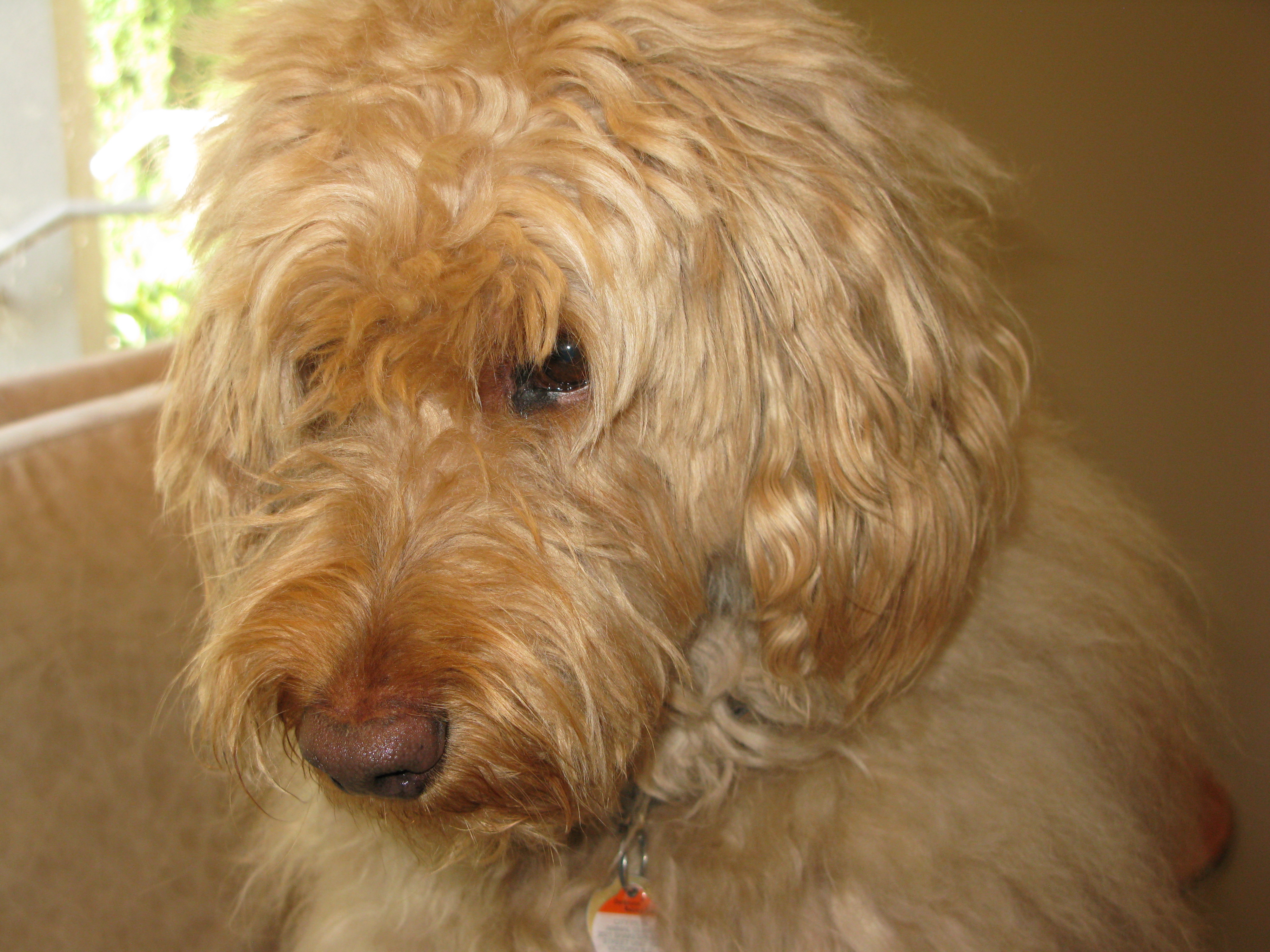
The story begins, as these stories often do, with a consumer complaint about a sick dog.
In December 2025, the Connecticut Department of Agriculture (CDoAg) was contacted by a pet owner who complained that her dog suffered a gastrointestinal illness after being fed a Raaw Energy Chicken Medley dog food.
On December 18, 2025, the CDoAg collected a sealed sample of Raaw Energy Chicken Medley (lot 7.17.25) from the complainant, who stated this was the same lot that she had fed her dog. The state lab found three different pathogens in that sample. Specifically, the lab was able to confirm the presence of Salmonella Infantis, Listeria monocytogenes, and Campylobacter jejuni in the sample of raw dog food.
On January 14, 2026, the CDoAg issued a “withdraw from distribution” to the company for the contaminated lot of product.
Raaw Energy, LLC is based in Adelphi, New Jersey. The New Jersey Department of Agriculture (NJDA) was informed of the Connecticut consumer’s complaint, and visited the production plant on December 22, 2025, to collect samples at their source. The New Jersey state lab found Listeria monocytogenes in two different products: Chicken Medley (lot code not released) and Salmon (lot 12.5.25).
The NJDA issued a “stop sale” notice to the company for those two lots on January 8, 2026, and returned to the production facility to collect samples of additional finished products. Five of those samples contained Listeria monocytogenes and one of the five also was contaminated with Salmonella Kentucky.
On January 13, 2026, an investigator from the FDA arrived at the Raaw Energy production facility.
On April 7, 2026, the NJDA performed additional follow-up sampling and found additional products that were contaminated with Listeria monocytogenes. The NJDA issued a “stop sale” notice on April 21st, and the FDA notified Raaw Energy of the state’s findings on May 13th.
What the FDA found
The FDA investigator carried out an inspection of the manufacturing plant, including a review of records. The findings were disturbing. In addition to the eight different production batches of Raaw Energy’s dog food that New Jersey and Connecticut found to be contaminated, there were several serious flaws in the company’s physical plant and in its procedures. These included:
- Conditions that could cause contamination of the dog food from the production environment
- an employee using a high pressure water hose that caused aerosols and overspray to contact open containers of chicken and unfinished product in the area
- plastic totes that were cracked, allowing product contained in the totes to contact the floor
- plastic totes were reused through the production day without cleaning or sanitizing between uses
- floor was pitted and cracked, and was not sloped to allow water to drain off
- condensation from overhead air conditioning units dripped directly onto raw chicken and other ingredients
- Poorly maintained equipment and utensils may have allowed pathogens to contaminate raw ingredients and in-process materials
- meat-grinding equipment had rust on food-contact surfaces and uneven edges with missing and bent metal at the chute where food is dispensed
- apparent rust on the extrusion point of a grinder and on a pitchfork used for chicken ingredients
- Frozen products were shipped to customers in unfrigerated trucks over long distances, and the company had no procedures in place to ensure that finished products remain under appropriate time and temperature conditions while in transit.
- Whole genome sequencing of the various Listeria monocytogenes cultures found by NDJA in the Chicken Medley and in three sample of the Salmon product were nearly identical, indicating a resident strain of Listeria monocytogenes that was not being addressed by the company’s sanitation procedures
- the Chicken Medley and Salmon products used two different recipes and had no common ingredients
- the various pathogen-positive samples were produced over a five-month period (between July 17, 2025, and December 20, 2025).
- an additional Listeria monocytogenes-positive sample, manufactured on May 13, 2026, also matched the same genetic profile.
At the close of the inspection, the FDA investigator issued a Form FDA 483, listing all of the issues that needed correction, and reviewed each one with company management.
In view of the pathogen-positive lab results, the FDA recommended that Raaw Energy voluntarily recall eight lots of raw dog food. On January 23, 2026, concerned about the adequacy of the company’s action, the FDA issued an advisory to consumers, urging that the eight lots not be fed to their pets.
How the company responded
On January 26, 2026, Raaw Energy recalled three lots of Chicken Medley, two lots of Salmon, and one lot each of Beef and Chicken Medley, Beef and Turkey Medley, and Beef and Chicken Tripe Medley.
In response to the results of follow-up sampling reported by the NJDA, on May 22, 2026, the company expanded its recall to include all products manufactured between July 17 and December 23, 2025, and one lot manufactured on March 31, 2026. That same day, the FDA updated its public advisory, providing a list of the additional recalled products.
The company’s response to the issues raised in the FDA Form 483 was less satisfactory. According to the FDA’s Warning Letter, issued on August 21, 2026, the company never responded in writing to the Form 483.
Raaw Energy addressed the recall situation on its website at least two months before the May 22nd expanded recall. The identical notice is still in place today and states,
The recall was the result of bacteria identified during required safety testing. From the start, we worked closely with the FDA and followed all safety and reporting guidelines to ensure the situation was handled responsibly.
Since then, we’ve taken important steps to move forward and strengthen our processes:
- Streamlining our product selection so that we can focus even more closely on quality
- Enhancing sanitation and food safety practices
- Renewing our commitment to continuous improvement at every stage
Food safety isn’t just a priority — it’s an ongoing responsibility we take seriously every single day.
What happens next?
Raaw Energy was given fifteen working days from receipt of the warning letter to respond in writing with specific steps the company has taken to address the list of violations. In that absence of an adequate response, the FDA, with the cooperation of the Department of Justice, could take legal action, including the possibility of seizure and injunction.
Whether and in what way the FDA chooses to act remains to be seen.

Interested in learning more about food safety and the history of foodborne disease outbreaks and investigations?
Click on the link to listen to a short excerpt, then follow the buy links to add a digital, print or audio copy to your personal library.


