

USDA-inspected company received FDA Warning Letter
Lewis Sausage Company Inc. (Burgaw, NC) is a small meat and poultry processing company that falls under USDA jurisdiction. It has been producing smoked sausages since the 1950s, and has never issued a product recall for any USDA-inspected food.
The company also performs contract manufacturing for Viva Raw LLC, a Hillsborough, NC, pet food company that falls under FDA jurisdiction.
And therein hangs the story.
The backstory
On January 23, 2024, Viva Raw recalled four of its pet foods after being notified by the FDA that the products had tested positive for Listeria monocytogenes and Salmonella. No public recall notice was ever published, but the products were listed in the FDA’s Enforcement Report as:
- VIVA for cats duck, Lot 22853
- VIVA for dogs Chunked duck, Lot 22853 11:04 1
- VIVA for dogs GROUND duck, Lot 22853
- VIVA PURE duck PETFOODMIXER, Lot 22853
On May 15, 2024, the FDA, together with the North Carolina Department of Agriculture and Consumer Services (NCDACS), completed an inspection of Lewis Sausage Company’s processing facilities, including collecting finished product samples. Five Viva Raw products, all manufactured under Lot 21244, were found to be contaminated with Listeria monocytogenes.
On June 12, 2024, Viva Raw initiated a recall of the five products, including Viva Turkey for Dogs Ground, Viva Turkey for Dogs Chunked, Viva Turkey for Cats, Viva Pure Turkey, and Viva Beef & Turkey for Puppies, according to FDA Enforcement Report files. The company issued a public recall notice on July 1, 2024.
The FDA classified the results of its May 2024 inspection as Official Action Indicated, citing deficiencies in Lewis Sausage’s Hazard Analysis and Preventive Controls actions. The agency issued an Untitled Letter on March 14, 2025, and performed a follow-up inspection on August 25 through August 29, 2025. Once again, the inspection was carried out jointly with the NCDACS.
On August 25, 2025, the day the inspection began, Viva Raw announced yet another recall. This time, the company recalled six varieties of raw dog and cat foods, comprising two lot codes. The company’s recall notice explained that routine testing by the NCDACS had found Salmonella and Listeria monocytogenes in samples of the products.
In January 2026, Viva Raw announced on its website that the company had adopted high pressure processing to enhance the safety of its raw pet food products.
Finally, on August 5, 2026, the FDA issued a Warning Letter to Viva Raw and a separate Warning Letter to Lewis Sausage. In those letters the agency reviewed the issues raised as a result of the inspection conducted the previous year and listed the items that required additional documentation to confirm correction of issues that were outstanding.
When competing philosophy’s intersect
Lewis Sausage is a USDA-inspected facility. But this means very little when the subject is microbiological safety of raw pet foods.
It is true that using USDA-inspected meat and poultry exclusively provides assurance that the finished pet food does not contain any 4D meat (denatured meat from dying, disabled, diseased or dead animals). However, the USDA have very different criteria for the presence of pathogenic bacteria in meat and poultry.
USDA, which has authority over meat and poultry for human consumption, considers raw beef that contains shiga toxin-producing E. coli to be adulterated and subject to recall. On the other hand, raw meat and poultry that is contaminated with Listeria monocytogenes or Salmonella is not treated as adulterated on the principle that the meat will be subject to further processing (including cooking in the home kitchen) before being consumed.
The FDA has authority over all food for animals, whether companion animals or livestock. It considers any product—even raw pet foods—that is sold as ready-to-eat to be adulterated if it contains ANY foodborne pathogen, regardless of the level of contamination.
Following the bread crumbs
My curiosity was piqued when I read the FDA Warning Letter to Lewis Sausage and realized that I had never seen a recall notice for the products listed as contaminated, so I started checking pet food recalls around the timeframe when the company had been inspected. When I found the August 2025 Viva Raw recall notice, I did some additional cross-checking and confirmed the relationship.
Viva Raw is very open on its website about employing a contract manufacturer to produce its raw pet foods, but does not reveal the company’s name.
The FDA considers information such as the identity of a company’s clients or the name of a company’s contract manufacturer to be confidential commercial information. That information was redacted from the Warning Letters issued to Viva Raw and Lewis Sausage.
My take on raw pet food
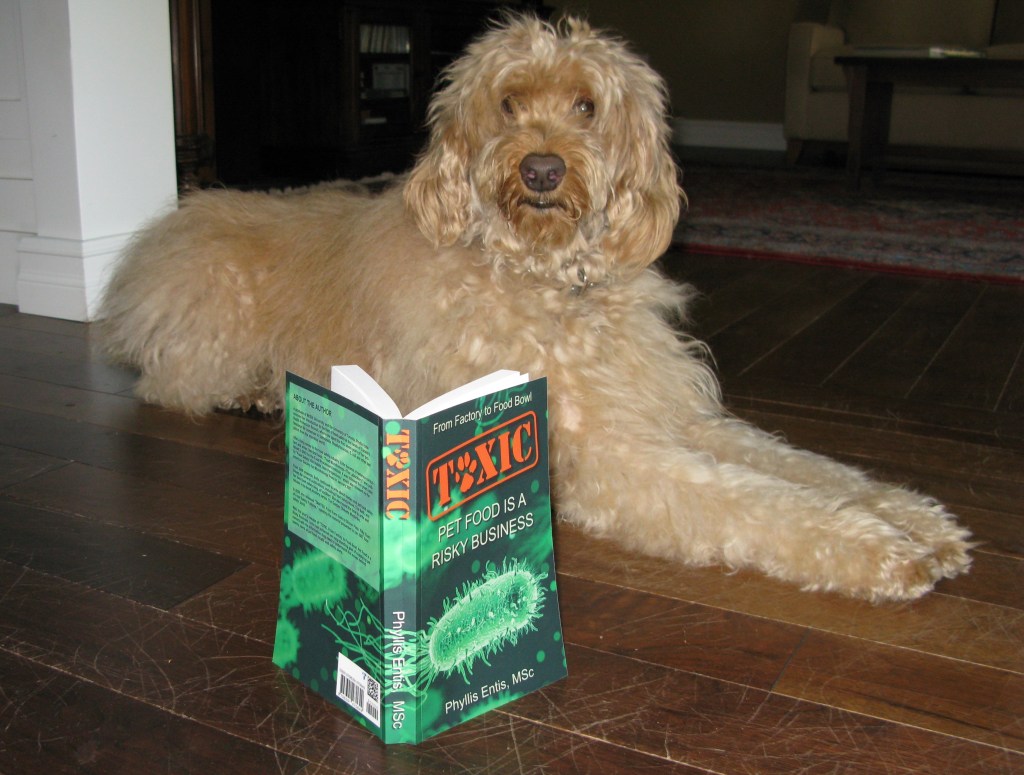
It should come as no surprise to anyone who has followed eFoodAlert over the years, or who has read my book on pet food safety, that I am not a fan of commercial raw pet food. There are some companies out there who try hard to produce and supply high-quality, safe products.
There are others that hide behind a philosophy that dogs and cats have a different digestive system and are not susceptible to foodborne pathogens like Salmonella. Some of these bad actors give short shrift to sanitation and cross-contamination in their production facilities, choosing to spend their time complaining about being targeted “unfairly” by the FDA instead of working to meet federal guidelines for producing safe pet food.
I have fed raw meat to our dog at times during her eleven-year lifespan. But I have always done so with full control over the preparation and storage, buying whole cuts of beef or lamb at the supermarket, searing the outside to kill most of the bacteria (which tend to be on the surface and not in the depths of the muscle), and grinding it myself before freezing individual portions.
In my opinion, the convenience of commercial raw pet food is not worth the risks associated with it.

“A complete and compelling account of the hidden and not-so-hidden ways the food we give our beloved pets can be contaminated.” – JoNel Aleccia, Health Reporter, Food & Nutrition, The Associated Press.
“An invaluable resource for busy pet owners” – Food Safety News


