Four hospitalized in Salmonella outbreak

Ground beef purchased from ShopRite locations in Connecticut, New Jersey, and New York may be the source of a multistate outbreak of Salmonella, according to a report by the US Centers for Disease Control and Prevention (CDC).

The federal agency is investigating sixteen (16) cases of Salmonella Saintpaul infections in Connecticut (1), Massachusetts (1), New Jersey (9), and New York (5).

Four of the outbreak victims have been hospitalized. There have been no deaths.

Victims range in age from less than one year old to 97 years old. Nineteen percent (19%) of the victims are children under five years of age.

Ground beef is the only common food that victims who were interviewed remembered having eaten in the days before become ill.

All of the people who remembered the type of ground beef they ate and where they bought it reported eating 80% lean ground beef purchased from ShopRite locations in Connecticut, New Jersey, and New York. 

Timeline

The first victim began to experience symptoms on April 27, 2023. The most recent victim developed symptoms of Salmonella infection on June 16, 2023.

The number of reported cases is likely to grow, as it can take as long as three to four weeks for suspected cases to be confirmed as part of an outbreak.

The CDC is currently searching its PulseNet data base to check for additional hitherto unidentified outbreak cases.

In March 2023, the USDA’s Food Safety and Inspection Service (FSIS) recovered a strain of Salmonella SaintPaul closely related to the current outbreak strain in a sample of ground beef analyzed as part of a routine surveillance program.

There was no recall, as the FSIS does not consider Salmonella-contaminated raw ground beef to be adulterated.

Salmonella and raw beef

Raw beef is a common source of Salmonella illnesses.

From 2012 to 2019, 27 Salmonella outbreaks were linked to beef consumption. 

The 27 outbreaks resulted in 1103 illnesses, 254 hospitalizations, and two deaths. The most common category of beef behind the outbreaks was raw, ground beef.

In spite of this clear connection between Salmonella illnesses and the presence of the pathogen in raw beef, the FSIS has resisted efforts over the years to name Salmonella as an adulterant in raw beef.

The agency’s position is that raw beef is meant to be cooked before being consumed, thus minimizing the risk to consumers.

USDA recommends that consumers cook raw ground beef to an internal temperature of 160ºF to ensure that any Salmonella present will be killed.

The situation is different in Europe.

The presence of Salmonella or any other foodborne pathogen in raw meat is grounds for issuance of a recall in member countries of the European Union and in the United Kingdom.

It is not unusual to encounter recall notices for raw meats and raw poultry in Europe due to the presence of Salmonella, shiga toxin-producing E. coli, or Listeria monocytogenes.

What is a consumer to do?

The CDC offers the following recommended practices to avoid becoming infected with Salmonella:

  • Clean:
    • Wash any bowls, utensils, and surfaces that touch raw ground beef with soap and water before using them to prepare other foods.
    • Wash your hands with soap and water for 20 seconds after preparing raw ground beef and before touching other kitchen items.
  • Separate:
    • When shopping, separate raw ground beef from other foods in your shopping cart and grocery bags. Place packages of raw ground beef into individual plastic bags to avoid cross-contamination.
    • Keep raw ground beef separate from foods that will not be cooked.
    • Store raw ground beef in a container or sealed, leakproof bag on the lowest shelf in the fridge or freezer.
  • Cook:
    • Use a food thermometer to make sure you have cooked meat to a temperature high enough to kill germs. Ground beef should be cooked to an internal temperature of 160°F, and leftovers should be heated to an internal temperature of 165°
    • Do not eat raw or undercooked ground beef.
  •  Chill:
    • Raw ground beef that has been refrigerated should be used or frozen within 1 or 2 days.
    • Refrigerate or freeze ground beef within 2 hours of cooking. If the food is exposed to temperatures hotter than 90°F, like a hot car or picnic, refrigerate or freeze within 1 hour.
    • Freeze any meat that will not be used within a few days. Although freezing can help keep ground beef safe until you can cook it, it does not kill existing harmful germs.
    • Thaw frozen ground beef in the refrigerator, not on the counter.
  • Call your healthcare provider right away if you have any of these severe Salmonella symptoms:
    • Diarrhea and a fever higher than 102°F
    • Diarrhea for more than 3 days that is not improving
    • Bloody diarrhea
    • So much vomiting that you cannot keep liquids down
    • Signs of dehydration, such as:
      • Not peeing much
      • Dry mouth and throat
      • Feeling dizzy when standing up

TAINTED formats 3
“Reads like a true crime novel” – Food Safety News

Interested in learning more about food safety and the history of foodborne disease outbreaks and investigations?

Click on the link to listen to a short excerpt, then follow the buy links to add a digital, print or audio copy to your personal library.

Chapter 6. Birth of a Pathogen

TAINTED is available in digital format from all major on-line retailers. Press the button to go directly to your preferred digital bookstore.

Advertisements

Recalls and Alerts: July 22–24, 2023

Here is today’s list of food safety recalls, product withdrawals, allergy alerts and miscellaneous compliance issues. The live links will take you directly to the official recall notices and company news releases that contain detailed information for each recall and alert.

If you would like to receive automatic email alerts for all new articles posted on eFoodAlert, please submit your request using the sidebar link.


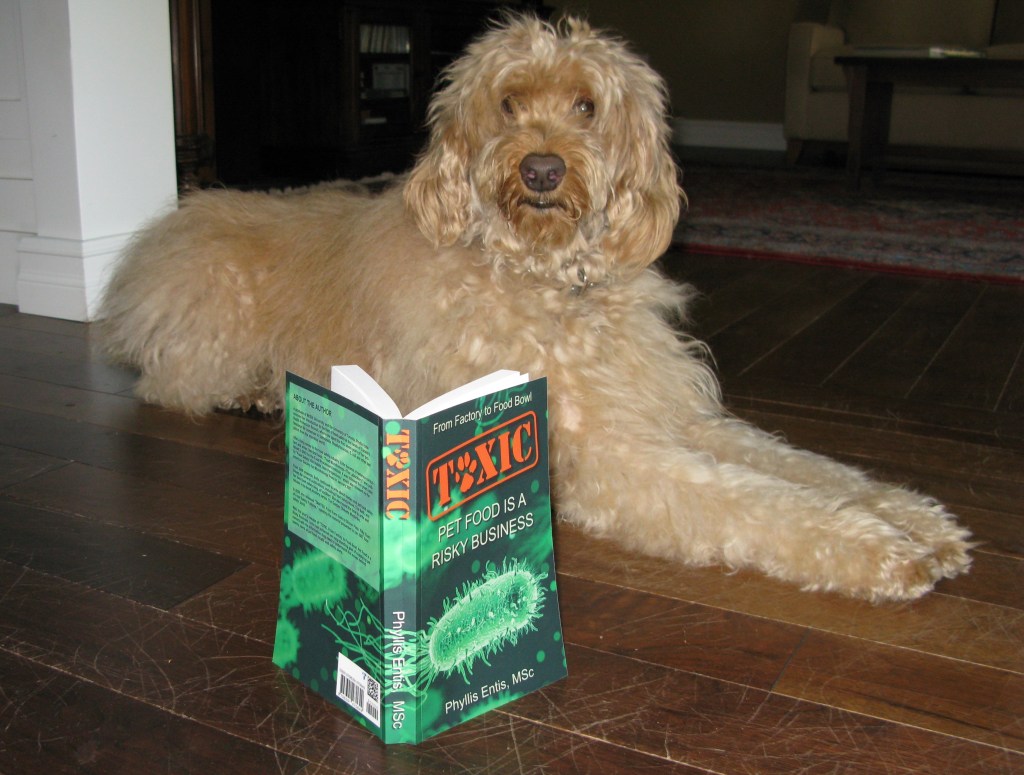
TOXIC

From Factory To Food Bowl
PET FOOD IS A RISKY BUSINESS

Enjoy the slideshow as you listen to a sample of TOXIC, narrated by the author.

“A complete and compelling account of the hidden and not-so-hidden ways the food we give our beloved pets can be contaminated.” – JoNel Aleccia, Health Reporter, Food & Nutrition, The Associated Press.


Available from all major on-line retailers, including:


Europe

Food Safety Recall (Belgium): Biofresh Belgium recalls Nice & Nuts brand Mendiants / Trail mix (1 kg; Best before 07/04/2024) due to ochratoxin A contamination.

Food Safety Recall (Belgium): Jumbo recalls Jumbo brand Amandelvijgenschijfjes / Fig slices with almonds (75g; Best before 03-11-2023) due to ochratoxin A contamination.

Food Safety Recall (France): SILVE INTERMARCHE recalls Itinéraire des Saveurs brand Tortilla aux Oignons / Onion tortilla (500g; Multiple Use-by dates between 19/06/2023 and 11/08/2023) due to possible Clostridium botulinum contamination.

Food Safety Recall (France): SALAISONS DE JASTRES recalls Ferdinand Chaudouard brand Saucisson bridé au saint Joseph de l’Ardèche Artisanal / Artisanal bridled sausage (400g; Lot 23241; Best by dates between 17/07/2023 and 18/09/2023) due to Listeria monocytogenes contamination.

Food Safety Recall (France): SALAISONS DE JASTRES recalls Ferdinand Chaudouard / Paul et Ferdinand brand Saucisson bridé de l’Ardèche Artisanal / Artisanal bridled sausage (500g & 600g; Lot 23241; Best by dates between 10/07/2023 and 18/09/2023) due to Listeria monocytogenes contamination.

Food Safety Recall (France): SALAISONS DE JASTRES recalls Ferdinand Chaudouard brand Saucisson de l’Ardèche Artisanal / Artisanal sausage (300g; Lot 23241; Best by dates between 03/07/2023 and 13/09/2023) due to Listeria monocytogenes contamination.

Advertisements

Food Safety Recall (France): SALAISONS DE JASTRES recalls Ferdinand Chaudouard brand Lot de 2 saucisson artisanaux de l’Ardèche / Artisanal sausage (400g; Lot 23241; Best by dates between 03/07/2023 and 03/09/2023) due to Listeria monocytogenes contamination.

Food Safety Recall (France): ELIVIA LECLERC recalls Tendre et Plus brand Steak Haché 5%MG 6x100g Steak Haché 15%MG 3x125g / Ground beef (6 x 100g (5% fat) and 3 x 125g (15% fat); Lot B18990300; Use by 15/07/2023 & 17/07/2023) due to E. coli O157:H7 contamination.

Food Safety Recall (France): EXPLOITATION AGRICOLE A RESPONSABILITE LIMITEE FROMAGERIE BOISBOURDIN EARL FROMAGERIE BOISBOURDIN recalls Fromage de chèvre Ste Maure de Touraine Rond Familial / Goat cheese (Lot 172; Best by 21/08/2023) due to shiga toxin-producing E. coli contamination.

Food Safety Recall (Germany): Fadie Food B.V. recalls Al Kharouf Halva (400g & 800g; Batch code NW800 I76; Best before dates from beginning of February 2023 to end of February 2025) due to Salmonella contamination.

Food Safety Recall (Italy): La Casera Srl recalls Robiola di Eros pura capra latte crudo / Raw goat’s milk cheese (250g; Lot 23/1007 – 3970; Best before 05-08-2023) due to shiga toxin-producing E. coli contamination.

Food Safety Recall (Luxembourg): Monoprix recalls Monoprix Gourmet brand Crème glacée vanille avec éclats d’amandes caramélisées / Vanilla ice cream with caramelized almond chips (282g; Lot L23031B1; Best before 31/01/2025) due to possible Salmonella contamination.

Food Safety Recall (Netherlands): Jumbo recalls Jumbo brand Amandelvijgenschijfjes / Fig slices with almonds (75g; Best before 03-11-2023) due to ochratoxin A contamination.


TAINTED formats 3
“Reads like a true crime novel” – Food Safety News

Interested in learning more about food safety and the history of foodborne disease outbreaks and investigations?

Click on the link to listen to a short excerpt, then follow the buy links to add a digital, print or audio copy to your personal library.
Chapter 6. Birth of a Pathogen

TAINTED is available in digital format from all major on-line retailers. Press the button to go directly to your preferred digital bookstore.

Advertisements

TOXIC—Still Number One


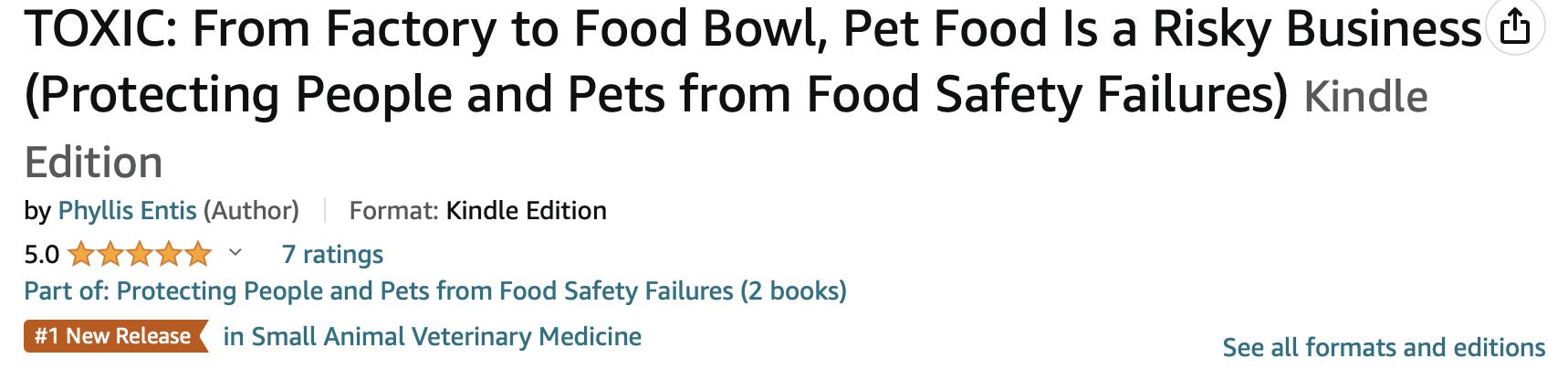
Exactly one month after its official debut on Amazon and other digital book retail sites, TOXIC: From Factory to Food Bowl, Pet Food Is a Risky Business retains its position as #1 New Release, in addition to having earned excellent reviews from a variety of sources and a strong five-star rating on the Amazon website.


To celebrate our successful first month, here is an excerpt from the audiobook edition, soon to be released on Audible, Amazon, and Apple.

TOXIC. From Factory to Food Bowl, Pet Food Is a Risky Business

What others are saying

TOXIC has garnered a following in Europe as well as North America and Australia. A British reader had this to say:

This book is a sobering read – fact! For any pet owner who wants a behind the scenes look at what goes into (some) pet foods then this is a must read. Entis has written a clear and detailed account of the shortcomings and investigations into some of the unscrupulous practices that some pet food manufacturers have adopted. 

[W]hat becomes clear is that laws need to be tightened and those in positions of authority within these pet food companies need to be held to account in a more meaningful and substantial way. This book offers a balanced and insightful view of manufactured pet food recalls over the last 100 years. As a pet owner I for one shall be following Entis’ own example and moving to a home diet for my dog from now on.

Amazon UK reviewer

TOXIC

From Factory to Food Bowl,
PET FOOD IS A RISKY BUSINESS

“A complete and compelling account of the hidden and not-so-hidden ways the food we give our beloved pets can be contaminated.” – JoNel Aleccia, Health Reporter, Food & Nutrition, The Associated Press.


Available from all major on-line retailers, including:


Give your dog or cat a treat. Order your copy of TOXIC today.