Kellogg Struggles With Listeria

The Kellogg Company is struggling with the “…presence of a persistent strain of L. monocytogenes…” in its Augusta, Georgia manufacturing facility, according to a warning letter released today by FDA.

Kellogg inherited the cookie manufacturing facility when it acquired Keebler in 2001. The company manufactures several brands and varieties of cookies at the facility, including Pecan Sandies, Chips Deluxe, Famous Amos, Pecan Swirls, Cinnamon Swirls, and Lemon and Raspberry Sandies. In 2009, Kellogg expanded the facility, adding Girl Scout cookies, Kashi, and a new Keebler cookie to the product mix.

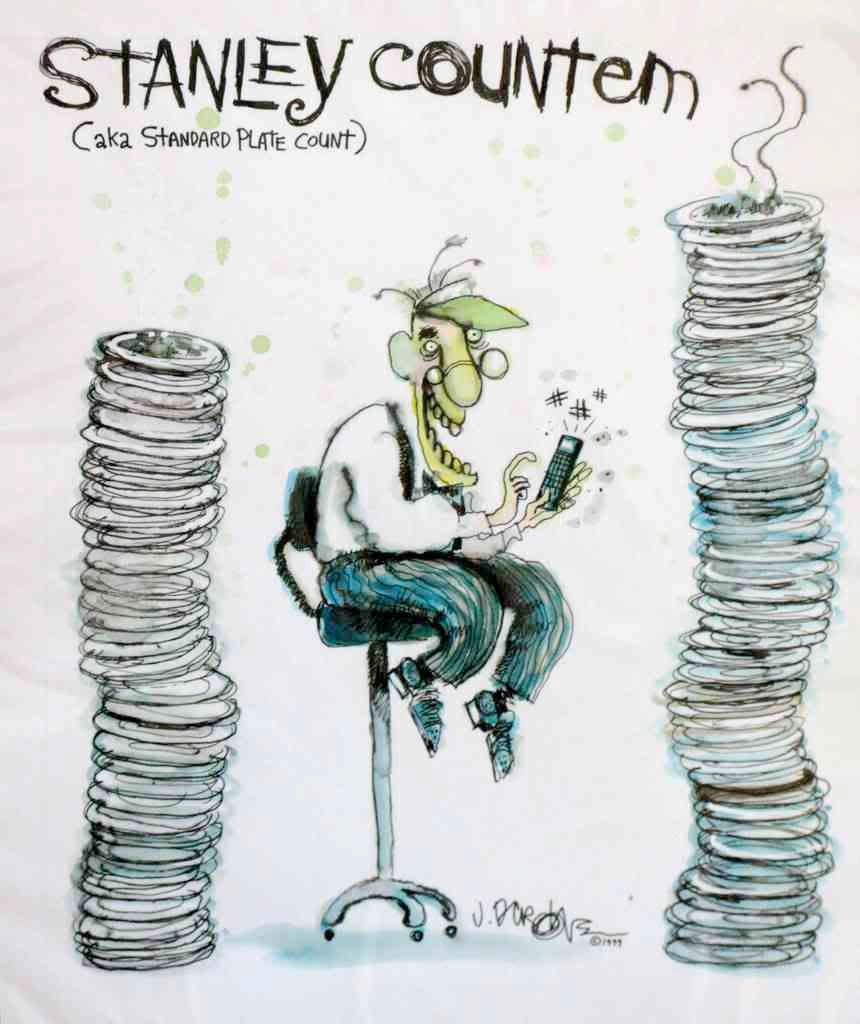
In January 2010, FDA inspected the Augusta production facility and found Listeria monocytogenes in environmental swab samples collected during the inspection. More than one year later – in February 2011 – the identical strain of Listeria monocytogenes was still present in the manufacturing plant.

FDA found L. monocytogenes in fifteen environmental samples taken during the 2011 inspection. Seven of the positive samples were from direct food contact surfaces. While FDA acknowledges that the finished products may not support growth of L. monocytogenes, the presence of this persistent pathogen is a clear signal that the company’s cleaning and sanitation program is inadequate. According to the warning letter,

“The presence of a persistent strain of L. monocytogenes in your facility between January 2010 and February 2011 is significant in that it demonstrates that your cleaning and sanitation efforts were inadequate to remove this organism. We note that although your finished product cookies may not support the growth of L. monocytogenes, the positive environmental swabs are indicators of insanitary conditions in your facility and demonstrate a failure of cleaning and sanitation operations that may allow for contamination of foods with filth or pathogens.

Bacteria may enter and/or be transported through a food plant by a variety of routes that include, but are not limited to: roof leaks; the shoes of employees, contractors, and visitors; the wheels of fork lifts, pallet movers, and moveable equipment; soiled pallets; soiled raw material packaging; raw ingredients; and by various pest vectors. Once established on production area floors the organism can contaminate food and food-contact surfaces through either human or mechanical means.”

In addition to the persistent presence of L. monocytogenes in the production plant, FDA inspectors noted several other sanitary concerns during their inspection. These included:

  • Multiple pipes were wrapped with material/insulation that appeared to be saturated with condensation.
  • Pooling water due to drips from condensate was observed above mixers…, behind an unwelded splash guard; the pooled condensate was observed dripping directly into an open upright mixer bowl.
  • Pooling water was observed below the in-feed of spiral cooler…
  • Pooling water was observed at the in-feed of spiral cooler…; the pool had a build-up of product debris and a black substance.
  • Pooling water was observed in spiral cooler … on the southwest corner below the mesh conveyor.
  • Approximately twenty flies were observed exiting a drain located near spiral cooler … and making contact with food contact surfaces.
  • Approximately thirty flies were observed swarming in proximity of the flour sock of mixer …
  • Approximately eighty flies were observed after the back panel of mixer … was removed.

This is not Kellogg’s first brush with a Listeria monocytogenes contamination problem. An October 2009 inspection of the company’s Eggo Waffle production facility in Atlanta, GA found L. monocytogenes in the plant environment. The 2009 inspection was initiated after the Georgia Department of Agriculture found L. monocytogenes in an Eggo Buttermilk Waffle finished product sample during a routine inspection. The contamination was detected before the Eggo’s were shipped; however, as a precaution, Kellogg recalled two other products that were manufactured at the same facility as the Eggo’s.

The Eggo contamination is unrelated to the problems reported in the Augusta facility.

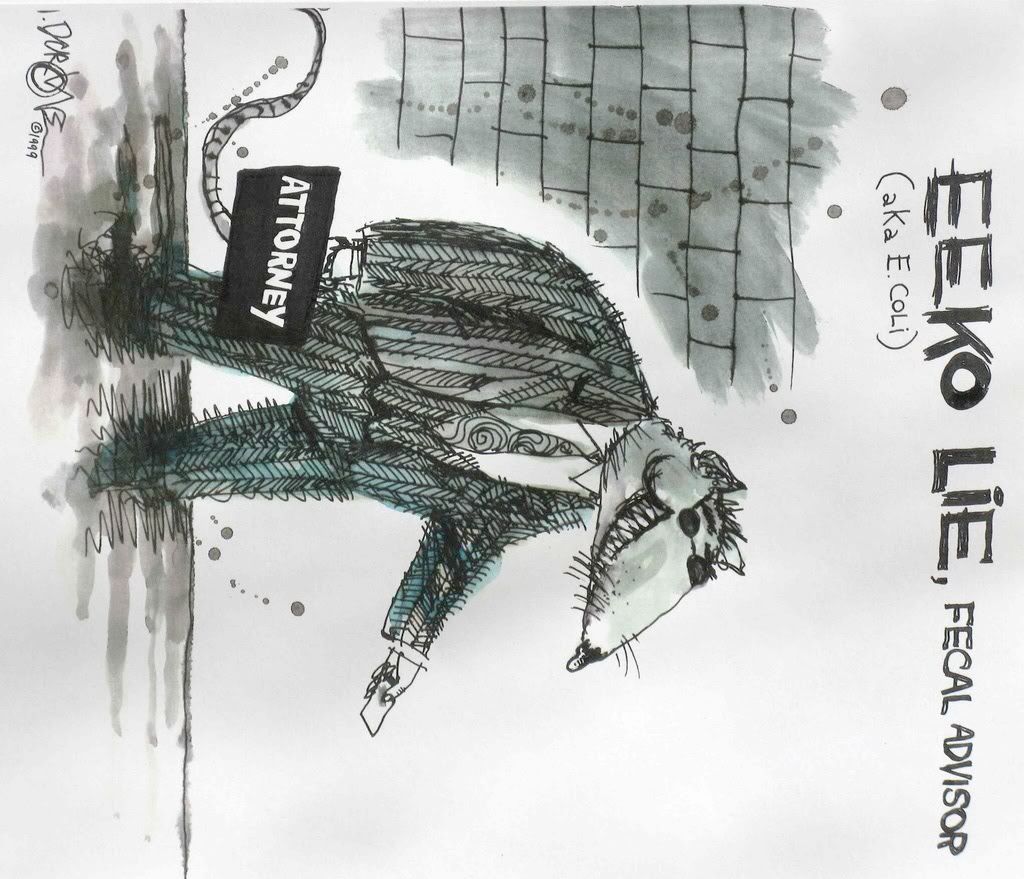
The most significant health risk at the Augusta plant is not the presence of Listeria monocytogenes – although that is bad enough. The real concern – as the FDA warning letter points out – is that the plant’s cleaning, sanitation and pest control programs are ineffective, and might allow other pathogens, such as Salmonella, to gain a foothold.

It’s easy for a company to become complacent, especially when its products are “shelf-stable.” Other companies, such as McNeil Consumer Healthcare (part of Johnson & Johnson), have paid dearly for their complacency.

Kellogg! Put your Keebler elves to work, and clean up your production environment.

Recalls and Alerts: June 13, 2011

Here is today’s list of food safety recalls, product withdrawals, allergy alerts and miscellaneous compliance issues. The live links will take you directly to the official recall notices and company news releases that contain detailed information for each recall and alert.

If you would like to receive automatic email alerts for all new articles posted on eFoodAlert, please submit your request using the sidebar link.

United States

  • FDA Enforcement Action: FDA announces that a consent decree of condemnation, forfeiture, and permanent injunction has been filed against H&P Industries Inc., The Triad Group Inc., and three individuals that would prevent them from manufacturing and distributing products from their Hartland, Wis., facility, or any other location. Under the decree, the defendants cannot resume manufacturing and distributing drugs or medical devices until they establish an acceptable Quality Assurance and Quality Control program to ensure that all products manufactured in their facilities comply with federal standards for quality and have the identity, purity, potency and safety they are expected or are represented to possess.

Canada

Europe

Asia, Africa and the Pacific Islands

  • Food Safety Recall/Import Ban (Hong Kong): Centre for Food Safety prohibits the import and orders a complete recall of DrinkaZine Energy Watt Sports Drink (Product of Taiwan; all batches), Chuang’s Square Cookies (Product of Taiwan), and Wei Lih Hand-Made Instant Noodle (Product of Taiwan; Roasted chicken flavour), because the products are contaminated with DEHP.
  • Dietary Supplement Safety Notification (EU #2011.0765): Unsuitable organoleptic characteristics (oxidation of ingredients) of high energy liquid medical nutrition product from the Netherlands; distributed to Ireland, Kuwait, Latvia, Lithuania, the Netherlands, Oman, Saudi Arabia, Spain and the United Kingdom.
  • Food Safety Alert (Vietnam): The Ministry of Health has requested the recall of Red Apple, Grape, and Litchi Syrups (Produced in Taiwan by Ye Yen Gen. Co. Ltd.) and Marshies vanilla, strawberry and chocolate candies (Imported from the Philippines), because the product contain DEHP.
  • Food Safety Alert (Taiwan): The Department of Health has suspended the importation of mung bean sprouts and soy bean sprouts from Germany. This is considered a precautionary gesture, as no sprouts have been imported into Taiwan from Germany in the last two years.
  • Food Safety Alert (PRC): China bans eight additional food ingredients, due to fears that they may be contaminated with DEHP.
  • Food Safety Enforcement Action (Taiwan): Taiwan prosecutors are seeking jail terms of up to 25 years for four people charged with selling banned chemicals to food processors.
  • Outbreak Alert (Nigeria): A suspected cholera outbreak has killed more than 30 people in Mubi South and Maiha (Adamawa State) and sent 200 more to hospital.

Australia and New Zealand

  • Food Safety Recall (New Zealand): Brinks Premium Ltd. recalls Brinks whole smoked bird (1Kg; Use by 14 July 11), because the ready-to-eat product may be contaminated with Listeria monocytogenes. The recalled smoked chickens were sold at Pak ‘n Save on Riccarton Road, Christchurch.

Latin America and the Caribbean

  • Outbreak Alert (Colombia): An isolated case of E. coli gastroenteritis has been reported in Monteria. It’s not yet known what strain of E. coli is responsible. Neither the patient nor any members of his family report having traveled to Europe.

Some supermarket chains post recall notices on their web sites for the convenience of customers. To see whether a recalled food was carried by your favorite supermarket, follow the live link to the supermarket’s recall web site.

Germany Suspects Contaminated Seeds Source of Outbreak

Evidence is growing that seeds used for sprouting may be the source of the E. coli O104:H4 outbreak that has sickened 3,255 people in Europe and North America, and has killed 35 people. Germany accounts for 3,147 of the illnesses and 34 of the deaths.

Germany’s Federal Institute for Risk Assessment (BfR) reports that a family in Lower Saxony became infected with enterohemmorhagic E. coli (EHEC) after eating home-sprouted seeds. Kits for growing sprouts at home are readily available in many stores.

Germany also has confirmed that the strain of E. coli O104:H4 recovered from an opened package of sprouts obtained from a household in Rhein-Sieg-Kreis is identical to the outbreak strain. Two of the family members from this household were infected with E. coli O104:H4.

The German National Reference Laboratory and diagnostic labs in other countries are currently examining seeds for E. coli contamination. German federal and state authorities are continuing to explore all possible avenues of sprout contamination, including a review of epidemiological data, distribution channels and supply lists. A recall or withdrawal of suspect seeds may follow, depending on the outcome of the .

While the outbreak strain has not yet been recovered from a sample of unsprouted seeds, BfR recommends that the public avoid consuming any raw sprouts, whether grown commercially or sprouted at home from seeds.