
Recalls and Alerts: September 12, 2026

eFoodAlert posts links to recalls for English-language countries only. If you are interested in recall information for other countries (including EU-member countries), please click on the Recall Link menu, above.

The live links in this post will take you directly to the official recall notices and company news releases that contain detailed information for each recall and alert.

If you would like to receive automatic email alerts for all new articles posted on eFoodAlert, please submit your request using the sidebar link.

Advertisements

TAINTED formats 3
“Reads like a true crime novel” – Food Safety News

Interested in learning more about food safety and the history of foodborne disease outbreaks and investigations?

Click on the link to listen to a short excerpt, then follow the buy links to add a digital, print or audio copy to your personal library.

Chapter 6. Birth of a Pathogen

Outbreak/Illness Investigations

USA: CDC and FDA are investigating a four-state outbreak of Hepatitis A infections linked to imported frozen clams. Thirty-seven people have been infected as of September 3rd, and 30 of those were hospitalized. La Serranita-brand concha negra shell meat products have been recalled by dealers in New York and New Jersey. Outbreak cases have been reported in Massachusetts, Minnesota, New York, and Pennsylvania.

USA: The Vermont Agency of Agriculture, Food and Markets and the Vermont Department of Health are investigating an outbreak of 14 cases of Salmonella Enteritidis infections linked to consumption of eggs from Leaping Bear Farm (Reading, VT). The outbreak strain has been found in eggs and environmental samples collected from the farm.

Advertisements

United States

Allergy Alert: Whole Foods Market (Austin, TX) recalls Fromagerie Coop de Mean Cabricharme cheese (All Best by dates up to and including 10/7/2026) due to undeclared egg (lysozyme). The recalled cheese was sold in the Specialty cheese department at 18 Whole Foods Market stores in Arizona, California, Connecticut, Massachusetts, New Jersey, New York, and Rhode Island.

Food Safety Recall: Happy Hens recalls Happy Hens brand organic shell eggs (Multiple package formats; Lots #223, 226, 237; Best before September 10, September 13, September 24, respectively) due to possible Salmonella contamination. The recalled eggs were distributed to multiple retail locations in California.

Food Safety Recall: Leaping Bear Farm (Reading, VT) recalls Leaping Bear Farm brand Grade A Pasture Raised Organic Eggs (Cartons dated between June 1, 2026, and September 5, 2026) due to possible Salmonella Enteritidis contamination. The recalled eggs were sold at various farmers markets and at other retail establishments in the area.

Public Health Alert: The Connecticut Department of Consumer Protection Food and Standards Division warns the public not to consume or serve Hot Sauces made by Phire in the Hole due to potential botulism risk and has issued a Cease-and-Desist order to the company. The products were manufactured without an approved process or required license. Phire in the Hole has declined the state’s request for a voluntary product recall and has not responded to the Cease-and-Desist order.

Canada

Food Safety Recall: Olymel S.E.C/L.P. recalls Olymel brand Chicken Breast Strips (2 x 175g; Best before 2026 OC 10; UPC 0 69094 63596 3) due to possible Listeria monocytogenes contamination.

Advertisements

Ireland and United Kingdom

No Alerts

Hong Kong and Singapore

No Alerts

Australia and New Zealand

No Alerts

Advertisements


“A complete and compelling account of the hidden and not-so-hidden ways the food we give our beloved pets can be contaminated.” JoNel Aleccia, Health Reporter, Food & Nutrition, The Associated Press.

“An invaluable resource for busy pet owners” – Food Safety News

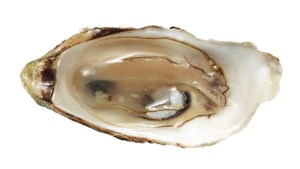
Dozens sick after eating raw oysters; Hog Island Oysters subject to recall

This story by Coral Beach first appeared in Food Safety News and is reposted here with permission

California officials have closed some commercial shellfish farming areas while they investigate an outbreak of norovirus that has sickened at least 44 people who reported eating raw oysters from Hog Island Oysters.

The company agreed to recall its “Sweetwater” and “Atlantic” oysters from a total of more than 40 restaurants and retailers in California, according to a notice posted by the California Department of Public Health (CDPH). The company did not appear to have any information about the recall or illnesses on its website as of last night. 

A spokesperson for the CDPH told Food Safety News that the source of the highly contagious norovirus had not been determined as of yesterday afternoon. It has, however, been confirmed that norovirus is responsible for the illnesses, as opposed to other foodborne pathogens. 

Marin County Environmental Health Services notified the state health department on Jan. 3 about reports of illnesses associated with the oysters. State investigators began looking for the cause and by 2:30 that afternoon they had closed all commercial shellfish growing areas in Tomales Bay.

“On Jan. 4, implicated product and future product distribution were determined and samples collected. The firm initiated a recall of the oysters and notified CDPH of that on Saturday, Jan. 5. CDPH started web posting on Monday, Jan. 7,” according to a department statement provided to Food Safety News.

State officials are aware of 44 people who ate Hog Island Oysters before becoming ill. None of those people have been admitted to hospitals. The sick people reported symptoms consistent with norovirus infection, which are primarily intense diarrhea, nausea and vomiting. Raw oysters are well-documented as a source of norovirus infections.

Infected foodservice workers can easily contaminate foods, utensils and dishes, kitchen surfaces and equipment. However, norovirus is known to survive in fresh and saltwater fish and shellfish. It has been found in species from farms and in the wild.

State officials will not allow commercial harvesting in the growing areas of Tomales Bay until further notice. Investigators continue to collect and review data. The state is working with local jurisdictions on the investigation.

A number of consumers have posted online reports about becoming sick after eating raw oysters from Hog Island Oysters on New Year’s Eve and in the first couple of days of January. Those reports include at least 29 being tracked by the website iwaspoisoned.com, according to Patrick Quade.

Quade, iwaspoisoned.com founder, said Monday there are reports of people becoming ill after eating raw oysters that were listed as being from Hog Island Oysters on menus at a restaurant in Grand Central Station in New York City. Those illnesses coincide with the timing of the California illnesses.

The list of restaurants and retailers in California where the suspect oysters were recalled is good information for consumers, but Quade said he doesn’t understand why there aren’t laws to compel food companies to post recall and outbreak information on their own websites.

“We do not know why some food companies do not post their recall notices on their website and social media channels. It is clearly the responsible thing to do, especially when lives are at stake. It reflects very badly on those companies who act in this way,” Quade said.

California officials said the U.S. Food and Drug Administration was notified of the outbreak on Jan. 4. The agency was notified of the recall on Jan. 8. As of Jan. 15, the FDA had not posted the company’s recall notice.

Norovirus-contaminated oysters sicken hundreds in Canada, USA

Consumption of raw or undercooked oysters from British Columbia is blamed for 321 cases of norovirus gastroenteritis in three Canadian provinces, according to an updated report from the Public Health Agency of Canada (PHAC), released March 27.

The outbreak, which has affected residents of British Columbia, Alberta and Ontario, began in December 2016 and is ongoing.

The British Columbia Center for Disease Control (BCCDC) first alerted the public to the problem on Jan. 13, reporting more than 70 cases of norovirus gastroenteritis in four different health districts. All of the illnesses were associated with consumption of raw or undercooked oysters consumed either in restaurants or in private homes.

On Jan. 20, Alberta Health Services (AHS) reported a cluster of 10 cases of gastrointestinal illness, which occurred in the Edmonton area between Jan. 10-12. The outbreak victims had consumed raw oysters. The cause of the illnesses was not verified by laboratory testing.

On Feb.  2, Ontario’s Acting Chief Medical Officer of Health alerted residents of Canada’s largest province about 24 reported cases of “gastrointestinal illness consistent with norovirus” in individuals who had eaten raw or undercooked oysters.

PHAC issued an initial Public Health Notice on Feb. 7, and has been updating the case count periodically. As of March 28’s update, 321 clinical cases of gastroenteritis linked to oysters had been reported between Dec. 4, 2016, and March 18, this year: 223 in British Columbia, 42 in Alberta and 56 in Ontario. Not all of the outbreak victims were tested for norovirus; however, testing in several cases has confirmed the presence of the virus in those patients.

According to a spokesperson from the Canadian Food Inspection Agency (CFIA), seven shellfish aquaculture sites have been temporarily closed by the Department of Fisheries and Oceans. The closures are based on sample results and/or epidemiological assessments. Investigation is ongoing into other harvest areas that have been linked to illnesses.

CFIA has mandated additional control measures for shellfish processing establishments to follow, and is conducting compliance verification activities to confirm that the supplementary measures have been implemented effectively. According to a March 7 notice to the industry, these additional measures will remain in effect until the outbreak has been declared over.

Not just in Canada

Seattle-King County Public Health is investigating a series of illnesses associated with consumption of oysters harvested along the Washington coast. Between Jan.  10 and March 20, as many as 39 people may have become ill after eating raw oysters at one of several different restaurants or private events in the county.

King is the most populous county in Washington State. Seattle is the county seat, and is the location of most of the restaurants associated with the illnesses. Victims of the outbreaks suffered from nausea, vomiting and diarrhea. No laboratory confirmation is available; however these symptoms are ‘suggestive’ of norovirus, according to a March 28 news release issued by THe health department.

While oysters served at the retail locations were harvested from various areas along the Washington coast, one small part of Samish Bay accounted for 22 illnesses linked to four servings. A section of the Samish Bay growing area was closed on March 17 for all species.

In recent months, outbreaks of norovirus gastroenteritis in countries as far apart as New Zealand and France also have been linked to consumption of raw or undercooked oysters. An unspecified number of reported illnesses in France triggered a Jan.  5 suspension of oyster and mussel harvest from Thau in the Hérault prefecture. Live bivalve mollusks from Thau were exported to China, Germany, Hong Kong, Italy, Luxembourg, Macao, the Netherlands, Thailand, Ukraine and the United Arab Emirates.

What consumers need to know

Bivalve mollusks (clams, oysters, mussels and scallops) feed on algae. Oysters take in 1.5 to 10.0 liters of water per hour per gram of body weight, which can amount to more than 50 gallons of water in a 24-hour period. Plankton and other suspended matter, including bacteria and viruses, are trapped as the water passes over the gills and concentrated within.

In a study published in December 2016, French researchers used nucleic acid amplification techniques to estimate the number of norovirus particles in oysters implicated in several outbreaks. They found between 43 and 1170 viruses per oyster.

Norovirus has a reported infectious dose of just 10-100 particles. Thus, consuming even a single contaminated raw oyster could be enough to infect a susceptible consumer in some cases.

Norovirus gastroenteritis is a short-lived but highly unpleasant illness. Typically, symptoms include nausea, vomiting and a copious, watery diarrhea, and last from one to five days. The virus is highly contagious, and can be spread through contaminated food and water, via direct person-to-person transfer, or through hand-to-mouth contact with contaminated surfaces. With an incubation period of just 24-48 hours, the illness can snowball in confined places, such as cruise ships, hotels, hospitals and nursing homes.

Health authorities in Canada and the USA urge consumers to take the following precautions when preparing or eating oysters and other bivalve mollusks:

  • Ensure oysters are fully cooked before consuming them. It is recommended to cook oysters to an internal temperature of 90° C (194° F) for a minimum of 90 seconds. Quick steaming or cooking oysters until the shells just open is not enough to kill norovirus.
  • Discard any oysters that do not open when cooked.
  • Eat oysters right away after cooking, and refrigerate leftovers.
  • Always keep raw and cooked oysters separate.
  • Wash your hands well with soap before handling any food. Be sure to wash your hands, cutting boards, counters, knives and other utensils after preparing raw foods.
  • If you develop symptoms of nausea, vomiting or diarrhea, wait at least 48 hours after the last episode of vomiting and/or diarrhea before preparing any food for others.

This article first appeared on Food Safety News and is reposted here with permission.