
Second class action suit filed in pentobarbital pet food scandal

Texas pet owner Wendy Black has initiated a complaint seeking class action status against Party Animal Inc. and Evanger’s Dog and Cat Food Company, Inc.

The suit, filed June 6 in the Superior Court for Los Angeles County’s Central District seeks damages “…on behalf of all persons who purchased Party Animal organic brand dog food … in the four years prior to the filing of this complaint.”

Evanger’s produced the dog food for Party Animal.

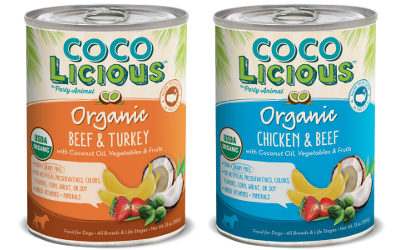
Black fed two varieties of Party Animal’s Cocolicious canned dog food to Bianca, a miniature Schnauzer she was fostering, according to the complaint. Bianca allegedly became severely ill after consuming the dog food, requiring veterinary visits, including administration of IV fluids.

In early March, realizing that Bianca’s ongoing illness appeared to be linked to consumption of the Party Animal food, Black communicated in writing with the retailer where she bought it. Shortly thereafter, she was contacted by a representative of Evanger’s, who instructed her to assemble the remaining cans of food in her possession for pick-up by Federal Express, promising to replace the cans with a different food at no cost.

Black returned some of the food, but retained a portion, submitting a sample to Texas A&M University for testing. The test result was positive for pentobarbital, according to the lawsuit.

Following receipt of the pentobarbital test result, Black requested tests to determine whether the Cocolicious pet food ingredient label was accurate. According to her lawsuit, lab tests revealed that the sample, which was purported to contain coconut oil, “… did not contain coconut or coconut compounds as advertised.”
Black is seeking “…appropriate compensatory damages and restitutionary disgorgement…” for herself and on behalf of others who bought Party Animal dog food, as well as punitive damages. She has requested a jury trial.

On April 24, Party Animal recalled two lots of its Cocolicious canned dog food, manufactured in 2015, because of possible contamination with the animal euthanasia drug pentobarbital. The recalled dog food can be identified by the following label information:

  • Cocolicious Beef & Turkey dog food with the Lot # 0136E15204 04 and a best-by date of July 2019; and
  • Cocolicious Chicken & Beef dog food with the Lot # 0134E15 237 13 and a best-by date of August 2019.

Party Animal Inc. filed suit in federal court in May against Evanger’s Dog and Cat Food Co. Inc. because dog food Evanger’s produced for Party Animal was found to be contaminated with the animal euthanasia drug pentobarbital.

This article first appeared in Food Safety News and is reposted here with permission.

Dog owners file $5 million action against Evanger’s, Nutripack

Nicole and Guy Mael, whose dog Talula died after eating Evanger’s brand “Hunk of Beef Au Jus” canned dog food on New Year’s Eve, have filed a class action complaint against Evanger’s Dog and Cat Food Co. Inc. and its sister company Nutripack LLC.

The complaint, filed in U.S. District Court for the Western District of Washington on June 16, alleges fraud, misrepresentation and negligence on the part of Evanger’s and Nutripack. The complaint requests a jury trial.

The couple’s five dogs all became ill after eating the Hunk of Beef food. They took them all to an emergency veterinary facility. Four of the five dogs survived, although one of the survivors is currently being treated for seizures.

Lab analysis of Talula’s stomach contents and of the remainder of the contents of the can of Hunk of Beef revealed the presence of a large quantity of pentobarbital.

Pentobarbital is a fast-acting barbiturate, and is used as a veterinary euthanasia agent. Its presence in any food or animal feed renders the food or feed adulterated, according to the federal law.

The Food and Drug Administration confirmed the presence of pentobarbital by laboratory analysis of samples taken from sealed cans of Evanger’s Hunk of Beef Au Jus and Against The Grain branded Pulled Beef with Gravy canned dog food, prompting Evanger’s to initiate a series of product recalls.

In addition to the pentobarbital finding, an inspection of Evanger’s production facility in Wheeling, IL, and of Nutripack’s facility in Markham, IL, revealed insanitary conditions in both facilities, according to FDA.

The class action suit cites thirteen counts under federal, Illinois, and Washington state law, based upon claims of:

  • breach of implied warranty:
  • breach of express warranty;
  • unfair acts or practices;
  • deceptive acts or practices;
  • negligence;
  • defective manufacture, design, and marketing;
  • unjust enrichment;
  • misrepresentation; and
  • product adulteration and misbranding.

In addition to seeking restitution, estimated to exceed $5 million from Evanger’s and Nutripack, the plaintiffs have requested an injunction to prevent the companies “…from continuing the unlawful practices … including marketing or selling its products that may be misrepresented, adulterated and misbranded, and specifically falsely stating that they are USDA-inspected, human-grade quality, 100 percent kosher beef and directing defendants to engage in corrective action, or providing other injunctive or equitable relief.”

This article first appeared in Food Safety News and is reposted here with permission.

Party Animal Inc. sues Evanger’s because of drug in dog food

Party Animal Inc. has filed suit in federal court against Evanger’s Dog and Cat Food Co. Inc. because dog food Evanger’s produced for Party Animal was found to be contaminated with the animal euthanasia drug pentobarbital.

The Food and Drug Administration confirmed the presence of the drug during testing after a consumer complaint. Two varieties of Party Animal’s Cocolicious dog food tested positive for the drug, which was found earlier this year in Evanger’s branded dog food after several dogs became ill. One of those dogs died despite emergency medical care.

On April 24, Party Animal recalled 13-ounce cans of “Cocolicious Beef & Turkey” dog food, lot 0136E15204 04 with a best-by date of July 2019, and “Cocolicious Chicken & Beef” dog food, lot 0134E15 237 13 with a best-by date of August 2019, after learning about the potential contamination from a customer.

The 13-page suit, filed May 5 in U.S. District Court for the Central District of California, lists eight complaints and claims damages in excess of $20 million. Also named as a defendant in the case is Evanger’s sister company, and Nutripack LLC.

The complaint outlines several counts, including:

  • Breach of written contract;
  • Breach of oral contract;
  • Breach of implied covenant of good faith and fair dealing;
  • Fraud;
  • Negligent misrepresentation;
  • Breach of implied warranty;
  • Breach of express warranties; and
  • Implied indemnity.

In February, Evanger’s recalled certain production lots of Evanger’s brand “Hunk of Beef” and Against the Grain brand “Pulled Beef” canned dog foods after pentobarbital was found in samples of both products. Evanger’s expanded the recall in March 2017 to include all products manufactured using meat from a single supplier during a specific time period.

In its own $20 million lawsuit, filed in Cook County, IL, on April 25, Evanger’s named Bailey Farms LLC as the supplier of meat used in the recalled dog foods, accusing the meat company of breach of contract, breach of implied warranties and fraud.

Party Animal’s fraud complaint against Evanger’s is based on the manufacturer’s claim of USDA organic certification for the two recalled products.

Bailey Farms LLC is not listed as a certified organic operation in the USDA Organic Integrity Database. Therefore, meat supplied by Bailey Farms would not qualify for the USDA’s organic certification.

According to the database maintained by the U.S. Department of Agriculture, Evanger’s received certified organic status for certain of its products in 2010. “Cocolicious Beef & Turkey,” and “Cocolicious Chicken & Beef” canned dog foods were added to the USDA organic database effective Aug. 14, 2015.

This article first appeared on Food Safety News and is reposted here with permission