
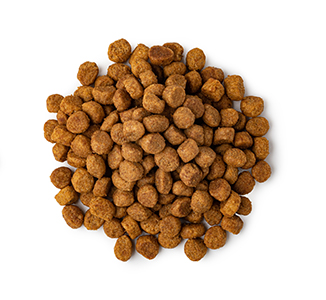


The Public Health Agency of Canada (PHAC) is alerting residents to an outbreak of Salmonella Oranienburg infections linked to contact with dog food and dog treats.
The PHAC has received reports of 27 laboratory-confirmed cases spread across four provinces and territories: Alberta (13), British Columbia (12), Ontario (1), and Northwest Territories (1).
Six people have been hospitalized.
Outbreak victims range from 0 to 87 years of age, and became sick between mid-February and mid-August 2025. There have been no deaths.
Although many of the victims reported handling dog food and treats prior to becoming ill, including kibble and dehydrated and freeze-dried treats, a common source or supplier has not been identified as yet.
Pet food / pet treat regulation in Canada
Unlike the United States, the United Kingdom, and member countries of the European Union, Canada does not regulate or monitor the microbiological safety of pet foods or pet treats made in Canada for domestic consumption.
Only those Canadian-made pet foods/treats manufactured for export are subject to regulation.
The PHAC has investigated a number of outbreaks of human illness linked to pets, pet foods and pet treats in the past, including illnesses linked to raw pet foods, kibble, pet treats, and feeder rodents for snakes.
What the public should do
This outbreak investigation is ongoing.
To reduce your risk of becoming ill from contact with a dog, their food or treats, the PHAC recommends the following actions:
- Always wash your hands thoroughly with soap and water immediately after handling any type of dog food or treat.
- Teach children to wash their hands thoroughly, with soap and water, every time after touching dogs, their food or treats.
- Wash and sanitize any containers, utensils and surfaces that have come into contact with dog food or treats before using them again. This includes food and water bowls, countertops, microwaves and refrigerators.
- Use dedicated dishes and utensils to serve your dog and wash them separately from other dishes and utensils.
- Store all dog food and treats away from where human food is stored or prepared and away from reach of young children. Pick up food and treats containers when your pet is done with them.
- Follow storage instructions found on the packaging of dog food and treats, including proper refrigeration and freezing if needed, to prevent them from becoming spoiled.
- Read the labels on dog food and treats to learn about the ingredients, the product’s expiry date, and if the food is cooked or raw. Raw pet food and treats may be fresh, frozen, dehydrated or freeze-dried.
- Wash your hands after contact with a dog and after handling their waste.

“A complete and compelling account of the hidden and not-so-hidden ways the food we give our beloved pets can be contaminated.” – JoNel Aleccia, Health Reporter, Food & Nutrition, The Associated Press.
“An invaluable resource for busy pet owners” – Food Safety News


 eFoodAlert