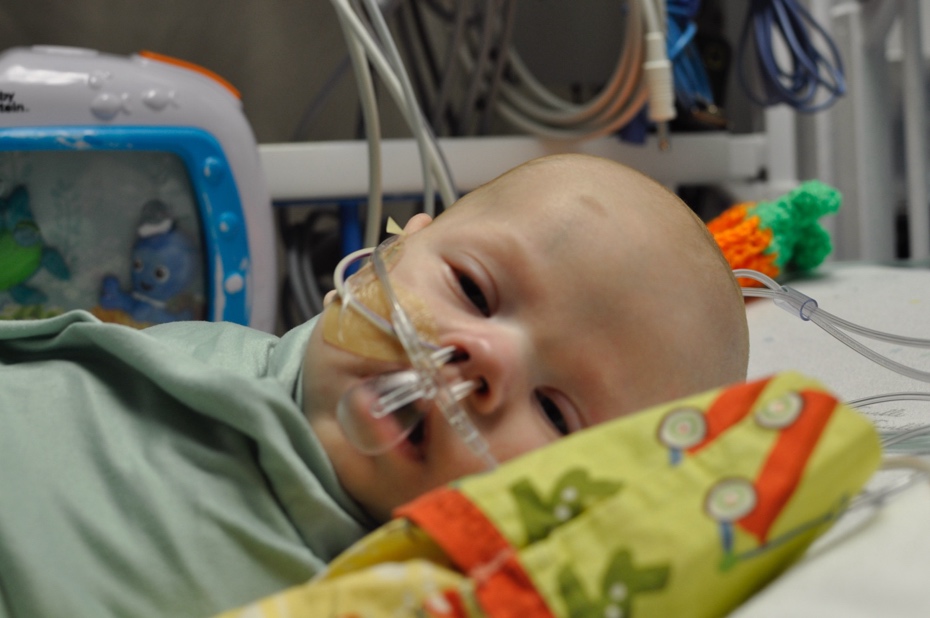

Nara’s German manufacturer fails FDA inspection- Correction

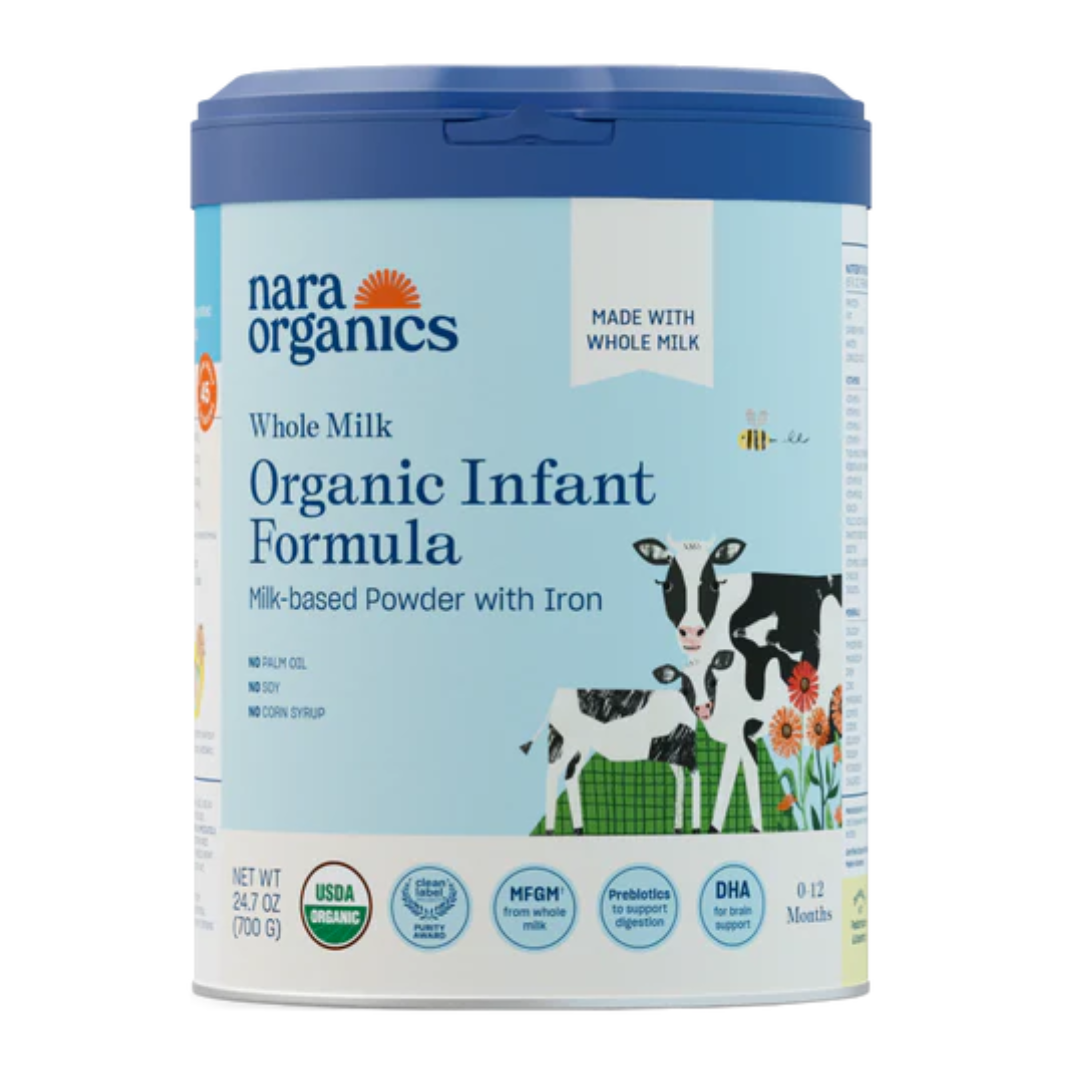
Milchwerke “Mittelelbe” GmbH, the German manufacturer of Nara Organic’s Whole Milk Infant Formula, has been added to the FDA’s Import Alert 40-05 list after an inspection of the production facility found “serious deviations of the Infant Formula Requirements per 21 CFR Part 106.”

Import Alert 40-05 provides specifically for “Detention Without Physical Examination Of Adulterated And Misbranded Infant Formula.”

The entry for Milchwerke “Mittelelbe” GmbH, dated 06/26/2026, states that “…the firm’s powdered infant formula products processed in the facility are adulterated within the meaning of section 402(a)(4) of the Federal Food, Drug, and Cosmetic Act, in that they were prepared, packed or held under insanitary conditions whereby they may have been rendered injurious to health.”

The Import Alert cited the lack of a flow diversion valve on the pasteurization system, failure to take corrective action following the detection of Cronobacter sakazakii in a “high-hygiene” zone of the processing facility, inadequate environmental monitoring for Cronobacter sakazakii, failure to maintain the plant in a clean and sanitary condition, and lapses in good personal hygiene practices.

Perhaps the most troubling of these observations is the lack of a flow diversion valve. This valve is designed to monitor the temperature of the milk at the outflow from the holding tube immediately after pasteurization and to divert the milk back into the tank if the temperature at the outflow point is below the required level. The absence of an proper flow diversion valve could result in underpasteurized milk being introduced into the spray-drying process and, thus, into the infant formula powder.

Coming a close second is the inadequate follow-up on detection of Cronobacter sakazakii in the production environment. After finding the pathogen and conducting a “root cause” analysis to determine the source of the contamination, the company failed to take “appropriate and timely” corrective measures.

The abbreviated inspection report summary included in the Import Alert notification also mentioned “cracked and pitted concrete floors, broken and missing tiles, and damaged grout” in areas where the infant formula is processed.

According to the website ImportGenius, which tracks US Customs activities, Nara Organics took deliver of a total of nine shipments of infant formula between July 29, 2025 and April 30, 2026. (Thank you to one of my loyal readers for this information. Please note the corrected paragraph, below.)

The picture painted by the FDA’s Import Alert is very different from Nara’s rosy description of a “state-of-the-art” facility.

According to the FDA’s updated Outbreak Investigation report, the agency is in the process of reviewing corrective responses submitted by Milchwerke “Mittelelbe” GmbH, and also has been in contact with relevant European authorities.


TAINTED formats 3
“Reads like a true crime novel” – Food Safety News

Interested in learning more about food safety and the history of foodborne disease outbreaks and investigations?

Click on the link to listen to a short excerpt, then follow the buy links to add a digital, print or audio copy to your personal library.

Chapter 6. Birth of a Pathogen

To Safer Infant Formulas and doing away with Botulism, Cronobacter sakazakii, Salmonella and Bacillus cereus

NOTE: This post on Marler Blog was written by food safety attorney, Bill Marler, and is reposted here with the author’s permission.

A bit over a month ago, I was set to testify before the House and Senate Safe Food Caucus in D.C. Instead, the night before I had a heart attack. I am fine. I got great care at Howard University Hospital and have made a complete recovery – although changing a few habits going forward.

I had been asked to share some thoughts on the infant formula industry’s inability to make sure that such a critical food item is safe. As I sit here on this Sunday afternoon I am puzzled how we can spend countless billions on yet another unnecessary war and even more billions on AI and robots to make most of us irrelevant and we cannot make infant food safer? Here is some of what I wanted to discuss. I am sure there are other ideas – I would love to hear them.

Infant formula has until recently been considered low risk for C. botulinum (and, then there are other pathogens – Cronobacter sakazakiiSalmonella and recently, Bacillus cereus of concern).

The recent C. botulinum outbreak and the mixed picture you get from looking at the multitude of WGS sequences on NCBI indicates that infant formula might be riskier. We need a new risk assessment of C. botulinum (and other pathogens) in infant formula and its constituent ingredients and how to control the pathogens in powdered infant formula (PIF). For C. botulinum we need more information about:

How often is infant formula and its constituents contaminated with C. botulinum spores?

Do we detect the pathogen when we need to? We need to assess if the current methods are good enough (sensitive enough)?

How often is a product contaminated with more than one strain of C. botulinum (multiple WGS profiles)? How many isolates (colonies on a plate) from each sample should be sequenced to detect all contaminants?

Should we routinely culture infant formula from cases of infant botulism when the child has been fed such a product? (I highly suspect that infant formula is causing many more cases of infant botulism than we know of at the moment).  

How do we best control C. botulinum spores in infant formula. We need studies on methods to control C. botulinum more efficiently in infant formula.

Do we need new regulations and redefined best practices for the production of infant formula and detecting and culturing the organism from product, environment and patients? 

Perhaps as a start:

Fund a risk assessment on the prevalence of C. botulinum spores, Cronobacter sakazakiiSalmonella and Bacillus cereus and sulfite reducing clostridia (as indicators) in:

            a.         raw milk

            b.         pasteurized milk

            c.         dairy powders – including whole milk powder, whey powder, whey protein concentrates, whey protein hydrolysates, nonfat dry milk, skim milk powder 

A specific risk assessment on the prevalence of C. botulinum spores and sulfite reducing clostridia in Powdered infant formula

Risk assessment on the prevalence of C. botulinum spores in minimally processed (non-retort thermally processed) commercial baby foods fed to children <1 year of age

Risk assessment on the prevalence of C. botulinum spores in low moisture infant first foods (puffs, cereals (rice and oatmeal), peanut butter, etc.)

Processing strategies to minimize spores in PIF – investigate technologies to reduce spores in infant foods while maintaining nutritional standards

Impact of farming practices on the incidence of C. botulinum spores in milk 

            a.         Prevalence of C. botulinum spores in silage, bedding, etc., at the farm

            b.         Milk collection on organic vs. conventional dairy farms

Improved resources for the tracking and following up of Infant Botulism cases to determine the source of botulism outbreaks

Bottom line for control of spores in powdered infant formula (PIF): either they destroy all the spores or reformulate to lower the incidence of spores in PIF (at least down to where it was prior to the addition of whole milk powder into the formulations of PIF). Because PIF is fed to infants from Day 1 it should be commercially sterile. Leave it up to the companies to determine how to make PIF commercially sterile. At the very least I would suggest that until a study is conducted to show the prevalence of C. botulinum spores in whole milk powder and a risk assessment is conducted, any formulation that contains whole milk powder should not enter into commerce.


It is inarguable that breastfeeding is the “gold standard” of infant nutrition. Unfortunately, not every woman is capable of providing an adequate supply of breast milk to her newborn.

Infant formula was developed originally as a means of supplementing a woman’s breast milk. Over the decades, it has grown into a Frankenstein’s monster—an ultraprocessed convenience food manufactured on a massive scale and heavily marketed to the medical profession and to individual consumers.

While the ultimate decision of breast- versus bottle-feeding rests with the mother, the responsibility for ensuring that infant formula is both safe and nutritious must sit on the shoulders of the industry and the FDA (and its sister agencies around the world).

The industry and its regulators have abrogated their responsibility for far too long. Bill Marler’s suggestions are sensible and long overdue.

California finds presumptive Clostridium botulinum in can of powdered infant formula fed to outbreak victim

The California Department of Public Health (CDPH) has tested a can of ByHeart powdered infant formula that was fed to an infant who later developed infant botulism. Preliminary results indicate the presence of botulinum toxin-producing bacteria in the sample consisten with the type of toxin reported from confirmed outbreak cases.

As of November 8, 2025, 13 infants with suspected or confirmed infant botulism have been reported from 10 states, according to the CDC: Arizona, California (2), Illinois (2), Minnesota, New Jersey, Oregon, Pennsylvania, Rhode Island, Texas (2), and Washington.

Eight of the 13 cases have been confirmed as Type A botulism; the remaining five cases are still under investigation. Illnesses started on dates ranging from mid-August to November 2025. All 13 infants were hospitalized and treated with BabyBIG® (an antitoxin for infant botulism developed and supplied by the CDPH). No deaths have been reported. Infants ranged in age from 16 to 157 days.

Interviews conducted with caregivers for the 13 outbreak victims revealed that all 13 (100%) infants were fed ByHeart Whole Nutrition infant formula.

In response to the findings, ByHeart Inc. has recalled the following two batches of ByHeart Whole Nutrition Infant Formula (UPC: 5004496800):

  • Batch Code: 251261P2, Use by: 01 Dec 2026
  • Batch Code: 251131P2, Use by: 01 Dec 2026

ByHeart Inc. is the parent company for three manufacturing / packaging facilities:

  • Blendhouse LLC (Reading, PA), a manufacturing site
  • Blendhouse Allerton, LLC (Allerton, IA), a manufacturing site
  • Blendhouse Portland LLC (Portland, OR), a packaging site

Of these, the Reading facility manufactures the infant formula base product, which is then blended and packaged at a different facility.

The Reading location achieved its FDA registration on April 28, 2022 and was subjected to an initial, and successful, FDA inspection in June of 2022.

Then, the Cronobacter sakazakii tsunami hit, and the FDA chose to take an in-depth look at all of the powdered infant formula manufacturing sites, including ByHeart’s Reading facility. What they found was disturbing, resulting in both inspections being classified as “Official Action Indicated.”

The FDA investigation team uncovered numerous problems, which were summarized in a Warning Letter, dated August 30, 2023. These included

  • Lack of process control system, as evidenced by a finding of Cronobacter sakazakii in a batch of ByHeart Whole Nutrition Infant Formula finished product. The infant formula base which was incorporated into that batch had been manufactured in continuous process from July 13, 2022, through August 23, 2022.
  • Discrepancy between company’s root cause analysis of the Cronobacter contamination problem and the conclusion of the third-party lab, in which the company blamed lab error and the lab denied that they had erred.
  • Multiple notifications from third party lab of positive Cronobacter sakazakii findings from July 25, 2022, through August 27, 2022 within the processing environment.
  • Two water events, during which water leaked into the manufacturing areas from outside.

The FDA conducted its next inspection eleven months later. According to information posted on the FDA’s inspection data dashboard, investigators uncovered several serious problems.

  • did not implement a system of production and in-process controls for an infant formula
  • did not maintain a building used in the manufacture, processing, packing or holding of infant formula in a clean and sanitary condition
  • did not minimize the potential for contamination of raw materials through the use of appropriate measures
  • did not ensure that all surfaces that contacted ingredients, in-process materials and infant formula were cleaned and sanitized and maintained to protect infant formula from being contaminated by any source
  • did not monitor the temperature in a thermal processing equipment at a point where temperature control is necessary to prevent adulteration.
  • did not exclude pests from your food plant to protect against contamination of food.

The ByHeart recall notice appears to make light of the probability that the company’s products are the source of the 13 cases of infant botulism, stating, “The FDA has not identified a direct link between any infant formula and these cases and there is no historical precedent of infant formula causing infant botulism.”

However, Clostridium botulinum is a common inhabitant of soil. This spore-forming bacterium also is relatively resistant to heat, and has the ability to endure long exposure to dry conditions. Poor sanitation, inadequate temperature control, and inadequate pest control are all routes by which this microbe can find its way into a powdered product.

Infant botulism, unlike the form of the ailment that attacks the general population, does not require pre-formed toxin to be present in the product. An infant’s digestive system can become infected by spores that are ingested or inhaled and set up an infection in the intestine.

In 2005, researchers in the United Kingdom described a case of infant botulism that appeared to be linked to consumption of contaminated powdered infant formula, even recovering a strain of Clostridium botulinum from a sample of the formula. However, in that case, genetic profiling suggested that the strain recovered from the formula was not the same as the one responsible for the illness.

Most prior cases of infant botulism have been traced to ingestion of soil or honey products. Nevertheless, caregivers and medical professionals must be on the alert. Untreated, infant botulism can be deadly. It should never be taken lightly.

  • Do not use recalled infant formula. Throw it away or return it to where you bought it.
    • If possible, record the lot number.
  • Wash items and surfaces that may have touched the recalled formula using hot soapy water or a dishwasher.
  • Seek immediate medical care if your infant has consumed ByHeart Whole Nutrition Infant Formula and has any of these symptoms:
    • Poor feeding
    • Loss of head control
    • Difficulty swallowing
    • Decreased facial expression
  • Symptoms of infant botulism can take as long as several weeks to develop, so parents should remain vigilant if they used the recalled lots of infant formula.
  • Initial diagnosis of infant botulism is based on clinical symptoms.
  • Consultation with the Infant Botulism Treatment and Prevention Program is available for suspected cases. If you suspect your infant patient has botulism, immediately call 510-231-7600 for case consultation. Consultation is available 24/7.
  • If clinical consultation supports infant botulism, begin treatment as soon as possible. Do not wait for laboratory confirmation.
  • Infant botulism is a notifiable disease. All suspected cases must be reported to the state public health department.
  • Most infants with infant botulism will initially develop constipation, poor feeding, loss of head control, and difficulty swallowing.
  • If untreated, infants with infant botulism experience a progressive, flaccid paralysis that can lead to breathing difficulties and require weeks of hospitalization.
  • Treatment with BabyBIG® is recommended for all suspected cases of infant botulism.

TAINTED formats 3
“Reads like a true crime novel” – Food Safety News

Interested in learning more about food safety and the history of foodborne disease outbreaks and investigations?

Click on the link to listen to a short excerpt, then follow the buy links to add a digital, print or audio copy to your personal library.

Chapter 6. Birth of a Pathogen