

Conagra Brands is recalling four Duncan Hines brand cake mixes after Salmonella Agbeni was found in a retail sample of Duncan Hines Classic White cake mix.
According to the recall notice, the isolate may be linked to a cluster of five Salmonella illnesses currently under investigation by FDA and CDC. No information has been released as yet regarding the geographic distribution of the illnesses.
The FDA is conducting an inspection at the Conagra Brands-owned manufacturing facility that produced the cake mixes. The FDA is also collecting environmental and product samples.
Several of the individuals reported consuming a cake mix at some point prior to becoming ill, and some may have also consumed these products raw and not baked.
The list of recalled products includes:
- Duncan Hines Classic White Cake (15.25oz; UPC 644209307500; Best if used by MAR 7 2019, MAR 8 2019, MAR 9 2019, MAR 10 2019, MAR 12 2019, MAR 13 2019)
- Duncan Hines Classic Yellow Cake (15.25oz; UPC 644209307494; Best if used by MAR 9 2019, MAR 10 2019, MAR 12 2019, MAR 13 2019)
- Duncan Hines Classic Butter Golden Cake (15.25oz; UPC 644209307593; Best if used by MAR 7 2019, MAR 8 2019, MAR 9 2019)
- Duncan Hines Signature Confetti Cake (15.25oz; UPC 644209414550; Best if used by MAR 12 2019, MAR 13 2019)
The products listed above were distributed for retail sale in the U.S. and limited international exports.
Salmonella can cause serious and sometimes fatal infections in young children, frail or elderly people, and others with weakened immune systems. Healthy persons infected with Salmonella often experience fever, diarrhea (which may be bloody), nausea, vomiting and abdominal pain. In rare circumstances, infection with Salmonella can result in the organism getting into the bloodstream and producing more severe illnesses such as arterial infections (i.e., infected aneurysms), endocarditis and arthritis.
What should retailers and restaurants do?
Retailers should not sell and should discard all recalled products.
Retailers, restaurants, and other food service operators should always practice safe food handling and preparation measures. It is recommended that they wash hands, utensils, and surfaces with hot, soapy water before and after handling food.
- Wash and sanitize display cases and refrigerators regularly.
- Wash and sanitize cutting boards, surfaces, and utensils used to prepare, serve, or store food.
- Wash hands with hot water and soap following the cleaning and sanitation process.
- Regular frequent cleaning and sanitizing of food contact surfaces and utensils used in food preparation may help to minimize the likelihood of cross-contamination.
What should consumers do?
The FDA is advising consumers not to bake with or eat any recalled cake mix. If already purchased, consumers should throw it away or return to the place of purchase for a refund.
Consumers should always practice safe food handling and preparation measures. It is recommended that they wash hands, utensils, and surfaces with hot, soapy water before and after handling food.
FDA offers these tips for safe food handling to keep you and your family healthy:
- Do not eat any raw cake mix, batter, or any other raw dough or batter product that is supposed to be cooked or baked.
- Wash hands, work surfaces, and utensils thoroughly after contact with flour and raw batter or dough products.
- Keep raw foods separate from other foods while preparing them to prevent any contamination that may be present from spreading. Be aware that flour or cake mix may spread easily due to its powdery nature.
Consumers with questions should call the Duncan Hines Consumer Care team at 1-888-299-7646, open 9 am through 5 pm EST, Monday through Friday or visit www.duncanhines.com.

 A confirmed case of Salmonella Infantis illness has been linked to a raw pet food manufactured by Arrow Reliance, Inc., dba Darwin’s Natural Pet Products (Darwin’s), according to updated information released by the U.S. Food and Drug Administration (FDA).
 Raw shell eggs from Gravel Ridge Farms (Cullman County, Alabama) are being blamed for 14 cases of
 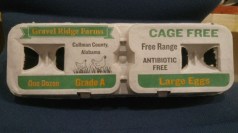 On September 8th,
 eFoodAlert