Wild Coast raw cat food recalled

March 2, 2025

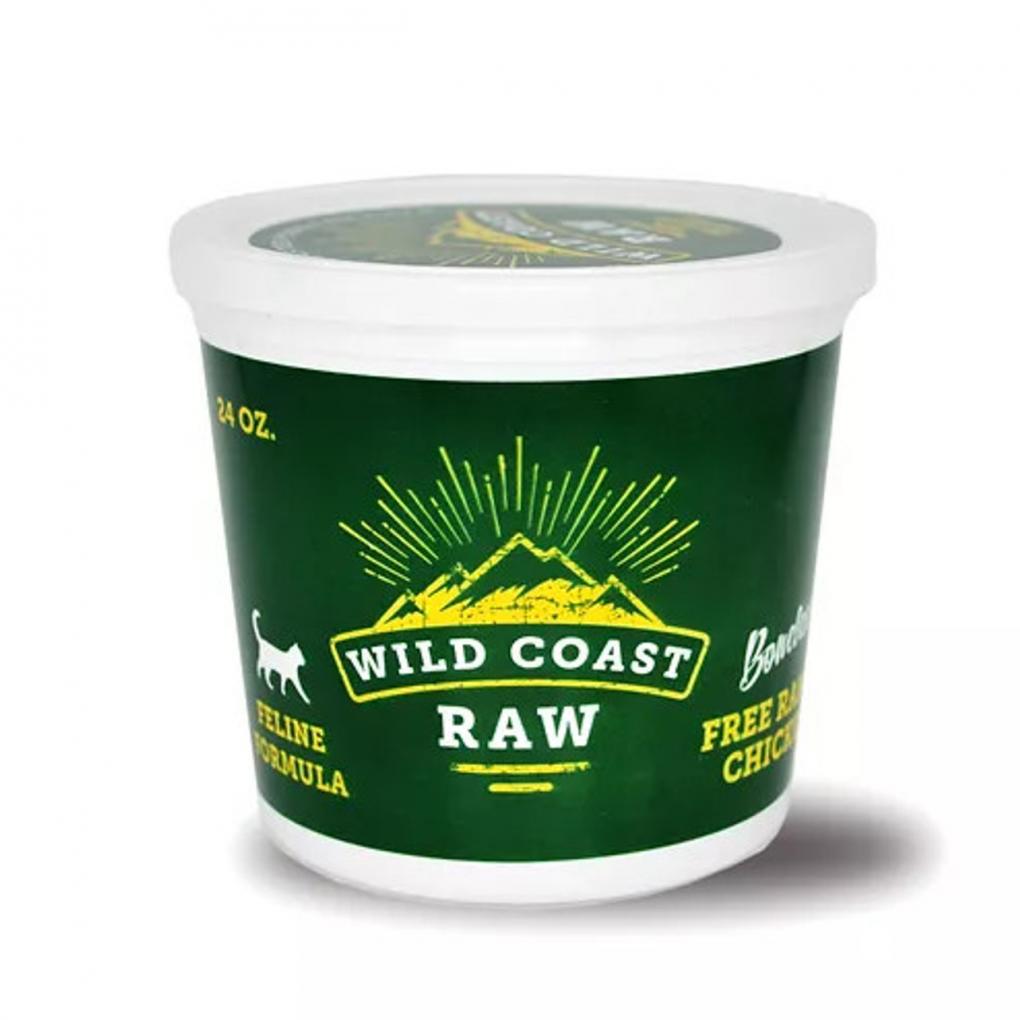
Wild Coast LLC (dba Wild Coast Raw) has recalled six lot codes of raw cat food that may be linked to four cases of bird flu in domestic cats in Oregon and Washington states.

The recall encompasses 16oz and 24oz containers of the following lot codes of frozen Boneless Free Range Chicken Formula raw pet food for cats, all bearing a Best Buy date of 12/25:

  • #22660
  • #22653
  • #22641
  • #22639
  • #22672
  • #22664.

The recalled products were distributed only in Oregon and Washington states.

The recalled lots have to potential to be contaminated with Highly Pathogenic Avian Influenza (HPAI) H5N1 virus, also known as bird flu.

The public first was alerted to this problem in mid-February, when the Oregon Department of Agriculture (ODA) reported two cases of bird flu in domestic cats from two separate households.

Both cats had been fed the recalled product. The ODA found the same strain of H5N1 in the affected cats and in the Wild Coast Raw pet food they had eaten.

The Washington State Department of Agriculture (WSDA) opened an investigation of the company in response to the ODA findings and also put a “stop sale” order on lot codes #22660 and #22664. The “stop sale” order was valid only with in the borders of Washington state.

More recently, the WSDA learned of two domestic cats in Washington who also became infected with bird flu after being fed Wild Coast Raw pet food. The cats were members of two different households.

Three of the four infected cats in Washington and Oregon were euthanized due to the severity of their illnesses. The fourth cat is being treated by a veterinarian.

Yesterday’s recall notice expands the scope of the implicated products to include any raw material sharing similar production dates and lot codes to the two lot codes covered by the initial “stop sale” order.

Do not sell or donate the recalled products. Do not feed the recalled product to pets or any other animals. Consumers who have purchased this product are urged to immediately and securely discard to prevent animals and wildlife from consuming the recalled product. Contact your place of purchase for a full refund. For more information contact Wild Coast Raw at info@wildcoastraw.com or (360) 591-3543 between 8am – 4 pm PST.


“A complete and compelling account of the hidden and not-so-hidden ways the food we give our beloved pets can be contaminated.” JoNel Aleccia, Health Reporter, Food & Nutrition, The Associated Press.

“An invaluable resource for busy pet owners” – Food Safety News

Available from all major on-line retailers, including:

Two more domestic cats infected with bird flu

February 27, 2025

Two domestic cats in the state of Washington have been infected with the highly pathogenic avian influenza (HPAI) virus according to a new release from the Washington State Department of Agriculture (WSDA) dated February 26, 2025.

The infections were confirmed in testing conducted by the National Veterinary Services Laboratory.

One of the cats was euthanized and the second is being treated by a veterinarian.

The two cats belonged to separate households in King and Snohomish counties.

Both infected cats were fed potentially contaminated Wild Coast Raw pet food. Two batches of Wild Coast LLC – Boneless Free Range Chicken Formula are the subject of a “stop sale” order in the state of Washington.

These new illnesses are in addition to the two illnesses reported by the Oregon Department of Agriculture (ODA) earlier this month.

On February 14, 2025, the ODA advised pet owners that two cats residing in separate households in Multnomah County had become infected with HPAI. Both cats were fed Wild Coast raw pet food.

Both cats were euthanized due to the severity of their illnesses.

All four cats were exposed to one or both of the same two lot numbers of the raw pet food, according to a spokesperson for the WSDA.

The WSDA began investigating Wild Coast’s manufacturing facility and operations on February 7th, the day that the first Oregon cat was confirmed to have been infected with HPAI. That investigation is ongoing and is still open.

While the HPAI infections have been confirmed in all four cats, the WSDA is still awaiting confirmation of the “non-negative” (positive PCR result) for the presence of live virus particles in samples of the two implicated lots.

When eFoodAlert asked what measures Washington state has put in place to reduce the risk to consumers and pet owners, we were told the following:

WSDA has been a leader in the country by conducting surveillance sampling for HPAI on non-heat treated meat or dairy based animal food. All our routine surveillance samples have been negative, including some of Wild Coast Raw’s earlier lots. Also conducting messaging to our stakeholders and to the general public about the risks, including the HPAI in cats graphic (attached) and blog. Implementing FDA’s recent requirement for pet food manufacturers to reanalyze their food safety plans to consider HPAI a known or reasonably foreseeable hazard and to identify how they will be addressing that hazard. Working with applicable partners to continue further investigation that are outside of our jurisdiction.


“A complete and compelling account of the hidden and not-so-hidden ways the food we give our beloved pets can be contaminated.” JoNel Aleccia, Health Reporter, Food & Nutrition, The Associated Press.

“An invaluable resource for busy pet owners” – Food Safety News

Available from all major on-line retailers, including:

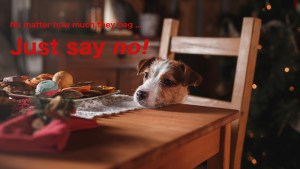
Dietary indiscretion – Ten tips to avoid holiday poisoning in pets and people

The following story by Phyllis Entis first appeared in Food Safety News and is reposted here with permission

Some animals are scavengers, eating anything from poultry to poinsettias, and paying for their impulsive behavior with diarrhea, vomiting, or worse. Veterinarians call it “dietary indiscretion.”

The most dangerous time of year for pets in the United States is right now: the period leading up to, and including, the Christmas and New Year holidays. This is the time of year that presents both pets and people with a plethora of opportunities to be “indiscreet” eaters.

It is tempting to offer a pet a special holiday treat: an unfamiliar food, a chance to lick raw cake batter from a mixing bowl, or a dish of leftovers from the banquet table. It is easy to overlook the risks posed by Christmas decorations, snack foods, candies, and candles. 

Some of these temptations are equally hazardous to the humans in our households. Both flour and raw eggs are potential sources of Salmonella, and raw flour may contain E. coli bacteria. 

Leftover food that sits out for hours at room temperature during and after holiday meals are breeding grounds for toxin-producing bacteria, including Staphylococcus aureus (staph) and Clostridium perfringens. Both of these pathogens can make pets and people sick with acute nausea, vomiting and diarrhea. 

Cats, especially, are sensitive to staph toxins. In fact, the earliest test for the presence of this toxin in a food sample was the aptly named Kitten Test, in which a portion of the food was fed to kittens. An episode of vomiting within a few hours confirmed the presence of the toxin.

Clostridium perfringens can be deadly for dogs. A 2012 article published in the Canadian Veterinary Journal reported on the death due to acute bloody diarrhea, of a two-year old Pomeranian show dog that had appeared perfectly healthy the day before. Large numbers of Clostridium perfringens were found in the dog’s intestinal tract on necropsy.

Following these tips will help you to keep your pets and family members safe during the holidays.

DO refrigerate leftovers promptly.

DO handle raw meat and poultry as though contains Salmonella and Campylobacter, because it probably is contaminated with one or both of these pathogens.

DO place all chocolate, candies and plants out of reach of pets.

DO brush up on practices for the safe handling of foods.

DO visit the ASPCA Animal Poison Control Center website to familiarize yourself with foods, plants and household products that may be toxic to your pets.

DON’T allow your pets or children to sample raw cake batter, raw cookie dough, raw pie crust or any other raw baked goods.

DON’T offer unusual food to your pets. This is not the time of year to experiment.

DON’T feed your pets raw poultry.

DON’T offer cooked bones of any type to your dog. Cooking makes bones more brittle and they may splinter and injure your pet.

DON’T set aside safe food handling practices in your hurry to prepare for the deluge of holiday guests.