

OPINION: Milk supplier obstructed FDA botulism probe—Correction

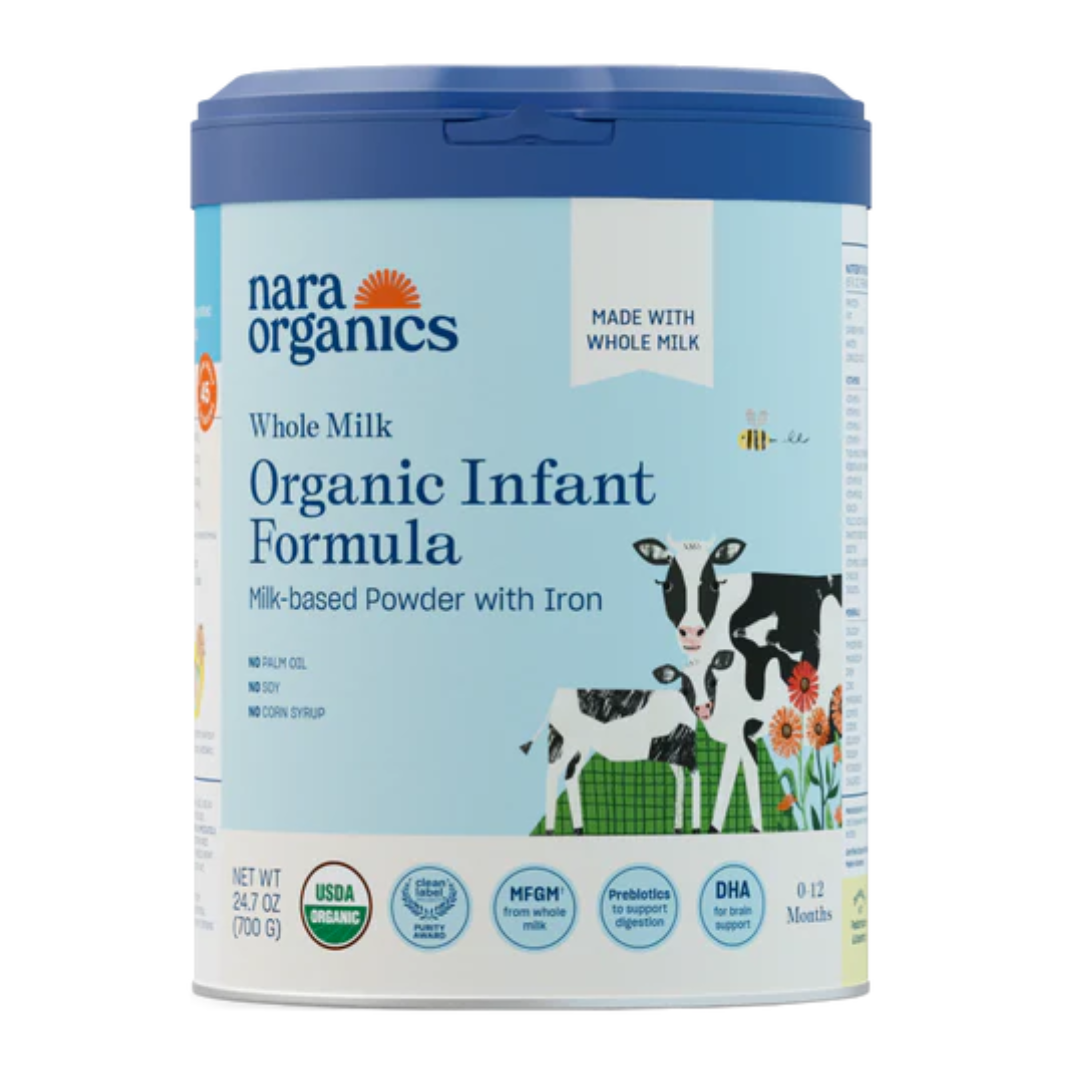
Organic West Milk, the supplier of whole organic milk to ByHeart and to Nara Organics, provided the FDA with an incomplete customer list during the agency’s investigation of the ByHeart botulism investigation, according to an FDA Outbreak Investigation update released on June 26, 2026.

By doing so, Organic West hid the fact that it had supplied milk to a second infant formula manufacturer. By this sin of omission, Organic West put additional infants at risk of contracting infant botulism.

The unpasteurized whole milk was shipped from Organic West Milk, a California-based company, to Dairy Farmers of America’s Fallon, Nevada facility (DFA) for pasteurization and spray-drying.

The FDA has not revealed whether or not it had also requested a customer list from DFA. Nor has it stated whether any other infant formula manufacturers were listed as customers either of Organic West or DFA.

As of the June 26, 2026 update from the CDC, three babies have been stricken with infant botulism after consuming Nara Organics Whole Milk Organic Infant Formula.

The affected infants live in California, Pennsylvania, and Washington. All three were hospitalized, and have been treated with BabyBIG antitoxin supplied by the State of California. All three are expected to survive.

The infants were between 2 and 5 months of age at the time they began to develop symptoms. All three are male. The three babies became ill on April 20, May 20, and May 31, 2026.

Three different production lots of Nara Organics powdered formula were identified as having been fed to the babies: 709125280E14F2, 709125288E14F2, and 708125174E14F2.

On June 13, 2026, Nara Organics recalled “…all cans of Nara Organics infant formula currently available in the U.S.”

Officials in two of the three states where illnesses were reported have collected leftover infant formula to test for Clostridium botulinum. The FDA has obtained unopened samples of the three lots consumed by the affected babies and is in the process of testing those samples.

Prior to learning of the outbreak, the FDA already had conducted inspections at Milchwerke Mittelelbe GmbH and Advanced Nordic Nutrition, the two European companies involved in the manufacture and packaging of Nara Organics powdered formula.

Those inspections resulted in the identification of “deficiencies” which the companies are in the process of correcting.

Based on US customs records, Nara Organics has received nine shipments of powdered infant formula from its European suppliers. The most recent shipment arrived on April 30, 2026. There is no record of the company having received a shipment from any other off-shore supplier.


TAINTED formats 3
“Reads like a true crime novel” – Food Safety News

Interested in learning more about food safety and the history of foodborne disease outbreaks and investigations?

Click on the link to listen to a short excerpt, then follow the buy links to add a digital, print or audio copy to your personal library.

Chapter 6. Birth of a Pathogen

Infant botulism outbreak is over — CDC

An outbreak of infant botulism linked to ByHeart powdered infant formula has ended, according to the US Centers for Disease Control and Prevention.

The final tally of victims comprises 28 confirmed cases and 20 probable cases from 17 states. No new cases have been added since December of 2025, and three previously reported suspected cases from 3 different states have been excluded from the totals.

Illnesses in this outbreak first began on December 24, 2023 and continued through November 29, 2025. The 48 victims ranged in age from 16 to 264 days old. All were hospitalized and treated with BabyBIG®. There were no deaths.

Outbreak cases were reported in Arizona (5), California (12), Idaho (2), Illinois (2), Kentucky (1), Massachusetts (2), Michigan (1), Minnesota (3), North Carolina (2), New Jersey (1), Oregon (3), Pennsylvania (1), Rhode Island (1), Texas (8), Virginia (1), Washington (2), and Wisconsin (1).

Epidemiological and laboratory analysis established ByHeart Whole Nutrition infant formula as the source of the illnesses. The company recalled all of its infant formula products on November 11, 2025.

Although the outbreak is officially over, the FDA‘s investigation into the root cause of the contamination continues.

Advertisements

In addition to the finding of Clostridium botulinum in opened and sealed cans of infant formula by the California Department of Pubic Health, the New York State Department of Health, and the company itself, the FDA recovered the pathogen from a sample of organic whole milk powder from Organic West Milk, which supplies the ingredient to ByHeart. The milk powder was processed for Organic West Milk by a Dairy Farmers of America (DFA) facility.

Spores of Clostridium botulinum are found in soil around the world, and the pathogen has been known to infect dairy herds. Although the FDA has not yet released any firm conclusions regarding the root cause of the contamination, if these heat-stable spores were in the raw organic milk delivered to DFA for processing, they would have been able to survive the heat of pasteurization and remain viable in the finished powdered milk.

Advertisements

TAINTED formats 3
“Reads like a true crime novel” – Food Safety News

Interested in learning more about food safety and the history of foodborne disease outbreaks and investigations?

Click on the link to listen to a short excerpt, then follow the buy links to add a digital, print or audio copy to your personal library.

Chapter 6. Birth of a Pathogen

Infant botulism outbreak strain found in organic powdered milk ingredient

January 23, 2026

The US Food and Drug Administration (FDA) reported today that a sample of organic powdered whole milk used as an ingredient in ByHeart Whole Nutrition infant formula has tested positive for Clostridium botulinum.

The FDA report did not identify the source of the organic powdered whole milk ingredient.

The sample of powdered milk was collected by the FDA at a processor for a supplier to ByHeart, and was analyzed by the Wadsworth Center Laboratory of the New York State Department of Health. Whole genome sequencing (WGS) testing found that the strain recovered from the milk powder is a genetic match for the Clostridium botulinum strain isolated from an infant victims of the outbreak.

The strain found in the powdered milk also is a genetic match for the strain recovered from a closed container of ByHeart formula collected by the FDA during the course of its investigation.

According to an update released today by the CDC, the number of confirmed and suspect cases of infant botulism in this outbreak remains at 51 individuals in 19 states.

Information provided to eFoodAlert by a spokesperson for the California Department of Public Health (CDPH) confirms that the state’s Infant Botulism Prevention and Treatment Program, which is the sole supplier the BabyBIG antitoxin used in the US to treat infant botulism, has not received any reports of new cases linked to ByHeart since the CDC’s December 17, 2025, update.

The CDPH was the first agency to recognize that a multistate outbreak of infant botulism with a common product exposure was in progress, notifying the CDC on November 5, 2025. The CDC mobilized the multistate outbreak response two days later, on November 7th, according to the CDPH spokesperson.

On November 8th, in response to a recommendation from the FDA, ByHeart initiated a recall of two production batches of its Whole Nutrition infant formula. The company expanded its recall on November 11th to include all batches of ByHeart Whole Nutrition infant formula in cans and Anywhere Packs.

ByHeart’s manufacturing operation remains paused while the investigation continues. The company has been cooperating with the FDA investigation and also has engaged a third-party laboratory to conduct Clostridium botulinum testing of its multiple batches of finished products.

To date, testing conducted by ByHeart’s lab has confirmed the presence of Clostridium botulinum in six samples from two different batch codes, both of which were included in the company’s initial November 8, 2025, product recall. In addition, the CDPH recovered Clostridium botulinum from an opened container of one of those batch codes. A sealed container from a third batch code, collected by Arizona and analyzed under the FDA’s Laboratory Flexible Funding Model, also yielded Clostridium botulinum.


TAINTED formats 3
“Reads like a true crime novel” – Food Safety News

Interested in learning more about food safety and the history of foodborne disease outbreaks and investigations?

Click on the link to listen to a short excerpt, then follow the buy links to add a digital, print or audio copy to your personal library.

Chapter 6. Birth of a Pathogen