It’s Publication Day!

Calling All Pets
(and Pet Parents, Too)

Five years after the idea for a book on the pet food industry first took hold of me during a walk on Carmel Beach, I am proud to announce the official launch of TOXIC. From Factory to Food Bowl, Pet Food Is a Risky Business.

If you share your life with a companion animal—especially a dog or cat—you owe it to your pet to educate yourself about the practices that take place behind the scenes in the factories and kitchens where raw, canned, and kibbled pet foods are manufactured.

The reality behind the appetizing package labels and enticing website advertising may shock you. It will certainly disillusion you, as it did me.

The stories and investigations described in TOXIC are drawn from interviews with pet owners, public records, published articles, and FDA inspection reports. 

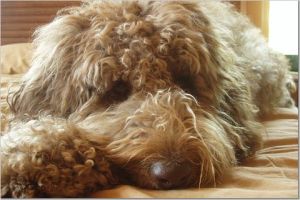
FULL DISCLOSURE: My husband and I are very fortunate to share our home with our 7½ year old Australian Cobberdog, Rutlands Shalom. She thrives on a home-cooked diet that I prepare for her myself.


Word On the Street

As part of the run-up to the publication of TOXIC, I supplied Advance Review copies to a number of colleagues in the writing community. Several of these individuals have already posted their reviews, and I am proud to share a few of their comments here. If you wish to read a complete review, please click on the reviewer’s name or handle.

“As the former global pathogen product manager at a major testing manufacturer, I found this book a fantastic companion to Tainted by Phyllis Entis.” – George Nagle (Amazon USA reviewer)

“TOXIC provides an eye-opening look at the pet food industry’s failures.” – Amy M. Reade (Amazon USA reviewer)

“Well, wow! As with Entis’s first book, TAINTED, this new installment is frighteningly eye opening.” – PeaceLoveHope (an Amazon USA Vine Voice reviewer)

“My thanks to the author for this meticulous insight – would that it weren’t necessary to hold those responsible constantly to account, but it is … and this book does that with aplomb.” – MeandtheMutts (Amazon UK reviewer)


A Peek Inside the Book

If you have read this far, please let me entice you further with a short excerpt from Chapter 9: Pentobarbital’s Pervasive Presence. I interviewed Mark Johnson via email for this story.

Mark was a California cattleman and his dogs were his workforce. He maintained a string of Border Collies and Australian Shepherd mixes to help with herding. Mark first purchased Gravy Train canned dog foods in 2015, using the products as supplemental feedings and as rewards for his dogs. In January 2018, when disaster struck, Mark owned thirteen dogs, ranging from ten months to approximately seven years old. One of his six female dogs was pregnant.

Typically, Mark purchased five cases of dog food weekly, patronizing the local Walmart and Big Lots stores for his supplies. In early January 2018, he replenished his supply of canned food with a purchase of two Gravy Train varieties: Chunks in Gravy with Beef Chunks, and Chunks in Gravy with T-Bone Flavor Chunks. On or about January 12th, all thirteen dogs fell sick within hours after eating the Gravy Train dog food. He took all of the dogs to his local veterinarian. Within two days of having consumed the dog food, all thirteen dogs were showing signs of kidney failure and were euthanized at the veterinarian’s recommendation.

Although the veterinarian performed a necropsy on one of the dogs, neither he nor Mark reported the dog deaths to the FDA. According to Mark, the veterinarian died shortly after the incident, and Mark was unable to retrieve his files. As of November 2018, Mark was still searching for replacement herding dogs that were in need of a good home.


How To Order TOXIC

TOXIC. From Factory to Food Bowl, Pet Food Is a Risky Business is available in digital format from all major ebook retailers, and can be purchased in paperback on Amazon. 

Alternatively, you can have your favorite bookstore order a copy of TOXIC for you.

If you prefer to borrow your reading material from a local library, please consider asking your librarian to add TOXIC to the library’s collection.


Salmonella, Listeria found in Performance Dog Raw Pet Food

The US Food and Drug Administration (FDA) is alerting pet owners not to feed Performance Dog brand frozen raw pet food to their companion animals.

FDA issued the warning after finding Salmonella and/or Listeria monocytogenes in portions of two different finished products, sampled during an inspection of the manufacturer’s production facility.

The situation

Performance Dog raw pet food, lot code 072219 was found to contain both Salmonella and Listeria monocytogenes. This product, which has already entered the marketplace, was sold to customers frozen in two-pound pouches.

The second sample, which tested positive for Salmonella only, has not yet been distributed.

As Performance Dog products do not have lot code information printed on retail packaging, FDA is cautioning pet owners not to use Performance Dog frozen raw pet food produced on or after July 22, 2019.

Performance Dog raw pet food is manufactured by Bravo Packing, Inc. of Carney’s Point, New Jersey.

Bravo Packing has not announced a product recall as of this writing.

The history

This is the third occasion in recent years in which Bravo Packing has shipped contaminated product.

On September 12, 2018, the company recalled all Performance Dog frozen raw pet food products after FDA found Salmonella in a sample collected during an agency inspection.

In January 2016, FDA analyzed a sample of horse meat pursuant to a complaint from one Bravo Packing’s customers. According to the complaint, four exotic cats fell ill after being fed the meat. Two of the animals had to be euthanized.

The sample of horse meat, as well as a pre-euthanasia blood sample from one of the animals, tested positive for pentobarbital.

The risk

Salmonella

Dogs are less likely than humans to show symptoms of Salmonella infection. Nevertheless, they can carry Salmonella in their digestive system for an extended period of time, and can shed the pathogen into the environment, putting people and other companion animals at risk of illness.

Symptoms of Salmonella infections in humans typically include abdominal pain, diarrhea and a low-grade fever. Occasionally, the pathogen can enter the bloodstream and travel to other organs, producing a dangerous illness.

Listeria monocytogenes

Although dogs may become infected with Listeria monocytogenes, they show symptoms only infrequently. However, even asymptomatic animals are able to transmit the bacteria to their human companions.

Symptoms of Listeria monocytogenes in humans are varied, but are usually mild. Pregnant women who acquire an infection may transmit the disease to the fetus, resulting in premature delivery, stilbirth, or an infected newborn. The elderly, the very young, and people with weakened immune systems are at risk of more severe illness, too.

What consumers should do

  • If you have any of the affected product, stop feeding it to your pets and throw it away in a secure container where other animals, including wildlife, cannot access it.
  • Clean refrigerators/freezers where the product was stored and clean and disinfect all bowls, utensils, food prep surfaces, pet bedding, toys, floors, and any other surfaces that the food or pet may have had contact with.
  • Because animals can shed the bacteria in the feces when they have bowel movements, it’s particularly important to clean up the animal’s feces in yards or parks where people or other animals may become exposed, in addition to cleaning items in the home.
  • Consumers should thoroughly wash their hands after handling the affected product or cleaning up potentially contaminated items and surfaces.
  • If you think you have symptoms of Salmonella or Listeria monocytogenes infection, consult your health care provider.
  • If you think your pet has symptoms of Salmonella or Listeria monocytogenes infection, consult your veterinarian. Veterinarians who wish to have pets tested for Salmonella may do so through the Veterinary Laboratory Investigation and Response Network (Vet-LIRN) if the pet is from a household with a person infected with Salmonella.
  • FDA encourages consumers to report complaints about pet food products electronically through the Safety Reporting Portal. This information helps FDA further protect human and animal health.