Raw oysters linked to cross-border Norovirus outbreak

Oysters from British Columbia, Canada, have been linked to at least 326 cases of norovirus gastroenteritis since mid-January in four Canadian provinces and two US states.
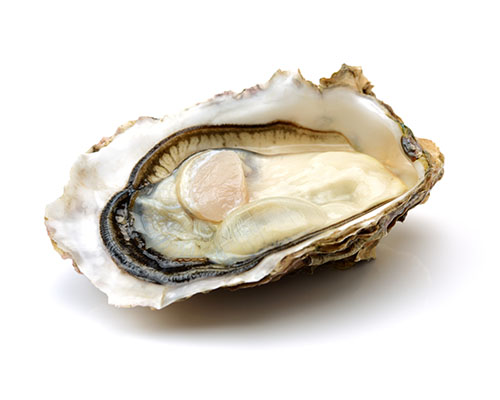
Image courtesy of Public Health Agency of Canada

Norovirus cases linked to consumption of raw or lightly cooked oysters have been reported in British Columbia (262), Alberta (1), Saskatchewan (1), and Ontario (15), according to the Public Health Agency of Canada (PHAC).

On March 18, 2022, the BC Centre for Disease Control alerted restaurants and retail establishments in the province to “reports of norovirus illness associated with the consumption of raw and lightly cooked oysters,” adding that the province was investigating the illness reports.

The Minnesota Department of Health has confirmed 29 outbreak cases. All twenty-nine victims became ill after eating raw oysters at Travail Kitchen in Robbinsdale, MN on March 20. The oysters served were Stellar Bay Gold oysters harvested on March 10 from Deep Bay 14-8 CLF #1407063 in British Columbia, Canada.

Eighteen residents of Washington reported norovirus-like illness after eating BC oysters from harvest area BC 14-8 since March 7, 2022, according to the Washington State Department of Health.

On February 18, 2022, the Canadian Food Inspection Agency (CFIA) announced the first in a series of recalls of raw oysters harvested from “Subarea 14-8.” This harvest subarea is located on the east coast of Vancouver Island, and facing the west coast of Denman Island.

Additional recalls were issued through March 2022, expanding the recall to an additional subharvest area (14-15) and to multiple harvest and processing dates.

Consult the following individual recall notices for additional details on harvest dates, lot codes and product distribution.

The outbreak and product traceback investigations are ongoing, and there may be additional recalls. Follow eFoodAlert to stay informed.

What is norovirus?

Norovirus is a common cause of gastrointestinal illness, and is highly contagious. It can be transmitted by eating a contaminated food, or by touching a contaminated surface and then handling food without washing your hands.

Norovirus symptoms can begin as soon as 12 hours after exposure to the virus, and usually consist of diarrhea, vomiting, nausea and stomach cramps. In most cases, the illness is of short duration, lasting just a day or two.

Although the symptoms are of relatively short duration and are self-limiting, pregnant women, people with compromised immune systems, young children and the elderly are at risk for developing more serious complications, like dehydration.

PHAC recommends:

  • Do not eat, use, sell, or serve the recalled oysters. 
  • Avoid eating raw or undercooked oysters to reduce your risk of foodborne illness and follow proper food handling practices. 
  • Cook oysters to an internal temperature of 90° Celsius (194° Fahrenheit) for a minimum of 90 seconds.
  • Discard any oysters that did not open while cooking.
  • Eat oysters right away after cooking and refrigerate leftovers.
  • Always keep raw and cooked oysters separate to avoid cross-contamination. 
  • Do not use the same plate or utensils for raw and cooked shellfish, and wash counters and utensils with soap and warm water after preparation.
  • Wash your hands well with soap before and after handling any food. Be sure to clean and sanitize cutting boards, counters, knives and other utensils after preparing raw foods.

If you develop symptoms of norovirus

  • Thoroughly clean contaminated surfaces, and disinfect using chlorine bleach, especially after an episode of illness.
  • After vomiting or diarrhea, immediately remove and wash clothing or linens that may be contaminated with the virus (use hot water and soap).
  • If you have been diagnosed with norovirus illness or any other gastrointestinal illness, do not prepare food or pour drinks for other people while you have symptoms, and for the first 48 hours after you recover.

Find more information on the risks associated with eating raw and undercooked food in TAINTED. From Farm Gate to Dinner Plate, Fifty Years of Food Safety Failures, available in digital, print and audiobook editions.

TAINTED formats 3
“Reads like a true crime novel” – Food Safety News

Belgian chocolate linked to UK Salmonella cases

The UK Food Standards Agency (FSA) and Food Standards Scotland (FSS) are alerting consumers to potential Salmonella contamination in certain batches of Kinder Surprise chocolates, according to a joint news release by the two agencies.

The UK Health Security Agency (UKHSA), in cooperation with partners in Scotland, Wales and Northern Ireland, have documented an unspecified number of Salmonella cases across the UK that appear to be associated with the novelty item.

A number of the reported cases are in young children, according to the FSA.

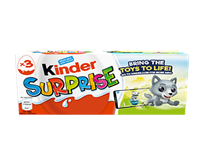
Ferrero has recalled Kinder Surprise 20g and Kinder Surprise 20g x3 with best before dates between 11th July 2022 and 7th October 2022.

The recalled products were manufactured in a single factory in Belgium and were distributed in the UK and in the Republic of Ireland.

A Kinder Surprise consists of a hollow milk-chocolate egg surrounding a plastic capsule, which contains a small toy.

The FSA is advising consumers not to eat any of the products listed in the FSA alert, and urges parents and guardians of children to check if any products already in their home are affected by this recall.

The UKHSA offers the following advice to the public:

“Symptoms of salmonellosis typically resolve themselves within a few days. However, symptoms can be more severe, especially in young children and those with weakened immune systems. Anybody with concerns that they have symptoms of salmonellosis should contact their GP or call NHS 111. Salmonella can be spread from person to person, so anyone affected should adhere to good hygiene practice such as washing hands thoroughly after using the bathroom and avoiding handling food for others where possible, if you have symptoms.”


You can find additional background information on a prior Salmonella outbreak associated with chocolate novelty products in Chapter 15 of TAINTED. From Farm Gate to Dinner Plate, Fifty Years of Food Safety Failures. Order the digital or audiobook editions from your favorite on-line retailer, or purchase the paperback or hardcover edition from Amazon.

TAINTED formats 3
“Reads like a true crime novel” – Food Safety News

Multiple Cronobacter strains in Abbott plant

The US Food and Drug Administration (FDA) has identified five different strains of Cronobacter sakazakii in environmental samples collected during an inspection of Abbott Nutrition’s Sturgis, Michigan production plant.

In a March 31, 2022, update to its outbreak investigation report, the FDA stated that four of the strains were recovered from samples taken by the agency’s team of inspectors. The fifth strain was from a sample collected by the firm.

The US Centers for Disease Control and Prevention (CDC) has completed a whole genome sequencing (WGS) of the Cronobacter sakazakii cultures obtained from two of the four infected infants.

Neither of the clinical cultures matched any of the five strains found in Abbott’s production environment.

Outbreak and recall

The FDA’s investigation of Abbott’s manufacturing facility was triggered by four reports of infants who had become infected with Cronobacter sakazakii after having been fed a powdered infant formula manufactured by Abbott Nutrition.

The first report was received by the FDA on September 6, 2021. The most recent illness began on January 4, 2022.

Two of the four infected infants have died.

According to the FDA, Cronobacter sakazakii infection “may have contributed” to their deaths.

Abbott Nutriton initiated a product recall on February 12, 2022. The recall was expanded on February 28, 2022.

Cronobacter sakazakii is a cause of necrotizing enterocolitis and meningitis in newborns, and is often fatal. In older babies, children and adults, this opportunistic pathogen can cause respiratory infections and sepsis.

Symptoms in newborns include fever, rapid heart rate, seizures and other neurological abnormalities.

The investigation

The FDA’s in-depth inspection of the Abbott’s manufacturing plant began on January 31, 2022 and was completed on March 18th.

The Inspectional Observations report (FDA Form 483) issued at the end of the inspection listed eight pages of infractions and deficiencies.

One of the most serious observations related to the maintenance of the company’s spray-drying equipment.

On reviewing the company’s own documentation, the FDA inspection team noted “a history of internal deterioration [of the dryers] dating back to September 2018.

According to the records of the most recent dryer inspections, carried out in August 2021, two different dryers showed six instances each of cracks, pits, and/or damage in the main chamber.

A further example of improper maintenance was documented by three separate work orders during the course of a year for repair of a “water event” at the same inlet to a spray-dryer. The work orders were issued on February 1, 2021, November 4, 2021, and January 21, 2022.

History repeats

A parallel can be drawn between the dryer maintenance issues at Abbott and a similar situation in Australia in the 1970s.

In 1977, powdered infant formula manufactured by three different companies was determined to be the source of a number of Salmonella Bredeney infections in the state of Victoria, Australia.

All three companies obtained their powdered milk from the same manufacturer.

When inspectors visited the powdered milk supplier’s manufacturing plant, they discovered that the interior of the cone-shaped base of the spray dryer had developed several cracks.

The company tried to repair the cracks by welding them shut. When the welds failed, the company continued to use the spray dryer, but simply discarded the powder that collected in the base of the drying chamber.

Environmental samples from the interior of the spray-dryer determined that its fiberglass insulation material had become saturated with Salmonella.

Abbott responds

In an update posted on the company’s website, Abbott responded to the FDA’s report by reassuring consumers of its cooperation with the FDA, while at the same time emphasizing that the strains of Cronobacter sakazakii found in the production environment did not match those recovered from the infected infants.

Abbott has “already begun implementing corrective actions and enhancements at the facility, leveraging new technology and strengthening our processes, to give parents and customers renewed confidence in the quality of manufacturing at our Sturgis plant when we restart operations there,” according to the company’s statement.

Who to contact for more information

If you want to check if your powdered formula is part of the recall, you can enter the product lot code on the bottom of your package on the company’s website.

If you have questions for the FDA or need information about the recall, you can Submit Questions/Get Assistance

If your infant is experiencing symptoms related to Cronobacter infection, such as poor feeding, irritability, temperature changes, jaundice, grunting breaths, or abnormal body movements, contact your health care provider to report their symptoms and receive immediate care.

To report an illness or adverse event, you can


Learn more about the history of Cronobacter sakazakii and other foodborne disease microbes in TAINTED. From Farm Gate to Dinner Plate, Fifty Years of Food Safety Failures.

TAINTED is available in digital and audiobook editions from all major on-line retailers or in print edition from Amazon.

“Reads like a true crime novel” – Food Safety News