
Number of illnesses in cantaloupe outbreak reaches 180. Three dead.

Three people are dead among the 180 confirmed victims of Salmonella-contaminated cantaloupes from Mexico according to the latest information released in the United States and Canada.

Individuals in 34 US states account for two of the deaths and 117 lab-confirmed outbreak cases as of November 30th, according to the US Centers for Disease Control and Prevention (CDC). Sixty-one of the victims have been hospitalized.

The Public Health Agency of Canada (PHAC) has reported 63 lab-confirmed cases in five provinces as of November 24th, including 17 hospitalizations and one death.

Both the CDC and the PHAC have warned the public that additional cases are likely to be identified in the coming days.

Multiple recall notices have been posted in both countries in response to the outbreak. The US Food and Drug Administration (FDA) has compiled a list of product recalls and will continue to update the list as required. Similarly, the Canadian Food Inspection Agency (CFIA) has posted links to Canadian recalls triggered as a result of the outbreak investigation.

The FDA uses a portfolio of Import Alerts to control the entry of products into the United States that may represent a food safety hazard.

One of these is Import Alert #22-01: Detention Without Physical Examination of Cantaloupes from Mexico.

Since October 20, 2023, the FDA has added four Mexican cantaloupe producers to this list, all of them based in the area around Hermosillo, in the state of Sonora.

  • Agricola Orqui S.A. de C.V. (added October 20, 2023)
  • Agroexport de Sonora S.A. de C.V. (added November 24, 2023)
  • Cassal Productos Del Campo S.A. de CV (added October 26, 2023)
  • Vinedo Maria Alejandra S.A. de C.V. (added November 27, 2023)

The CFIA employs a “System for the Reduction of Contamination Risks,” under which it relies on the Mexican government to certify that producers have met minimum requirements for good agricultural practices and food safety, according to a CFIA spokesperson.

Importers of food into Canada must hold a Safe Food for Canadians (SFC) licence and have in place a written preventive control plan for food safety hazards.

When asked whether specific actions had been taken to suspend importation of cantaloupes from individual Mexican producers, the CFIA responded that the “…importation of all cantaloupes from Mexico continues based on products meeting Canadian import and food safety requirements.”

The spokesperson added that “The CFIA…is conducting a food safety investigation and collaborating with Mexican authorities and industry to resolve this matter.”

Consumers are advised to discard and not consume Malichita or Rudy any recalled products. If you have whole or pre-cut cantaloupes or fruit cups, fruit platters, or fruit medleys in your home and are unsure of their origin, discard them as a precaution.

Food contaminated with Salmonella may not look or smell spoiled but can still make you sick. Young children, pregnant women, the elderly and people with weakened immune systems may contract serious and sometimes deadly infections. Healthy people may experience short-term symptoms such as fever, headache, vomiting, nausea, abdominal cramps and diarrhea. Long-term complications may include severe arthritis.

If you feel unwell, and especially if you have symptoms like diarrhea or vomiting, do not cook or prepare food for other people.

If you suspect you are suffering from a Salmonella infection, consult your healthcare provider.


TAINTED formats 3
“Reads like a true crime novel” – Food Safety News

Interested in learning more about food safety and the history of foodborne disease outbreaks and investigations?

Click on the link to listen to a short excerpt, then follow the buy links to add a digital, print or audio copy to your personal library.

Chapter 6. Birth of a Pathogen

TAINTED is available in digital format from all major on-line retailers. Press the button to go directly to your preferred digital bookstore.

Two dead, 125 ill in Malichita Salmonella outbreak

Malichita brand cantaloupes grown in Mexico are responsible for two deaths and at least 125 confirmed cases of Salmonella in the United States and Canada, according to reports from the US Centers for Disease Control and Prevention (CDC) and the Public Health Agency of Canada (PHAC).

Fifty-one of the outbreak victims have been hospitalized.

The province of British Columbia was the first jurisdiction in either country to alert consumers to the outbreak. On November 15th, the BC Centre for Disease Control (BCCDC) reported eight cases of Salmonella in the province linked to consumption of Malichita cantaloupes, and urged consumers to avoid the produce.

Seven of the eight cases reported by the BCCDC have been confirmed by the National Microbiology Laboratory to be part of a national outbreak. The other BC case is considered “probable” at the moment, according to a spokesperson for the BCCDC.

As of November 22nd, five Canadian provinces have reported a total of 26 confirmed outbreak cases, with additional cases of Salmonella under investigation but not yet confirmed to be part of the outbreak, according to the PHAC.

Lab-confirmed outbreak cases were reported in British Columbia (7), Ontario (7), Quebec (8), Prince Edward Island (2) and Newfoundland and Labrador (2).

The first Canadian victim fell ill during the week of October 15th.

Outbreak victims range between 0 and 100 years of age, and six have been hospitalized.

The Canadian Food Inspection Agency (CFIA) found the outbreak strain in a sample of Malichita cantaloupe and shared its finding with the US Food and Drug Administration (FDA).

Canadian distributors and retailers have recalled from the market all Malichita brand Cantaloupes sold between October 11, 2023 and November 14, 2023, inclusive, and all Ruby brand Cantaloupes sold between October 10, 2023 and November 24, 2023, inclusive. The recalled melons were distributed in Alberta, British Columbia, Manitoba, New Brunswick, Newfoundland and Labrador, Nova Scotia, Ontario, Prince Edward Island, and Quebec and may also have found their way into the rest of Canada.

The Pattison Food Group has recalled Urban Fare and Save on Foods brands of cut cantaloupe, fruit trays, and fruit platters that contained the recalled Malichita cantaloupes. Products included in this recall were distributed in Alberta, British Columbia, Manitoba, Saskatchewan, and Yukon.

Hector Larivee Inc. has recalled Fruit Pure brand fruit salad, Groupe Tomapure brand cantaloupe platters and unbranded cantaloupe pieces. The recalled products were distributed in Ontario and Québec to hotels, restaurants and institutions.

Sami Fruits has recalled cut cantaloupe and fruit platters containing cantaloupe. The recalled items were sold only at Sami Fruits in Montréal.

Fresh Start Foods has recalled Central Foods Co. and Fresh Start Foods brands of cut fruit. The recalled items were distributed in Alberta, British Columbia, and Manitoba, and may also have found their way into other provinces and territories.

Yen Bros. Food Service (2011) Ltd. has recalled Fruit Salad (7.5 lb & 25 lb; All production dates from 10/23/23 up to and including 11/17/23). The recalled products were supplied to hotels, restaurants and institutions in British Columbia.

As of November 24th, 99 individuals in 32 US states have been infected with the Salmonella outbreak strain and 45 were hospitalized, according to the CDC.

Two people have died in Minnesota.

Confirmed cases have been reported in Arkansas (1), Arizona (7), California (1), Colorado (2), Georgia (3), Iowa (5), Illinois (4), Indiana (2), Kentucky (5), Massachusetts (1), Maryland (1), Michigan (1), Minnesota (13), Missouri (9), Mississippi (1), North Carolina (2), Nebraska (4), New Jersey (1), Nevada (2), New York (1), Ohio (8), Oklahoma (1), Oregon (1), Pennsylvania (1), Rhode Island (1), South Carolina (3), Tennessee (4), Texas (3), Utah (1), Virginia (1), Washington (1), and Wisconsin (8).

The first US outbreak victim fell ill on October 17th.

Outbreak victims range in age from <1 to 100 years.

SOFIA PRODUCE, LLC (dba Trufresh) of Nogales, Texas, has recalled all sizes of fresh cantaloupes packaged in cardboard containers labeled with the “Malichita” label, and also labeled with the “Rudy” label to include all cantaloupes sold between the dates of October 10, 2023 and November 3, 2023. The melons were distributed directly to consignees in Arizona, California. Connecticut, Maryland, Missouri, Montana, Nevada, New Jersey, New York, Oregon, Pennsylvania, Tennessee, Utah, Illinois, Michigan, Wisconsin, Texas, Florida, and Canada.

Vinyard Fruit and Vegetable Company of Oklahoma City, Oklahoma, has recalled twelve products, including: fruit cups, cut cantaloupe, fruit mixes, and melon variety packs that were prepared using the recalled Malichita cantaloupes. Distribution of the recalled Vinyard products was limited to Oklahoma.

ALDI Inc., in cooperation with Anthony Marano Co. and Market Cuts LLC, has recalled whole cantaloupes, cantaloupe chunks, and pineapple spears. The recalled products were sold at select ALDI stores in Illinois, Indiana, Iowa, Kentucky, Michigan, and Wisconsin.

CF Dallas, LLC has recalled one RaceTrac and eleven Freshness Guaranteed fresh-cut products made from whole cantaloupe. The fresh-cut fruit products containing recalled cantaloupe were distributed to select retail stores in Indiana, Michigan, Ohio, Kentucky, North Carolina, Tennessee, Virginia, Illinois, Texas, and Louisiana. Please refer to the recall notice for a complete list of affected products.

Jewel Marketing and Agribusiness LLC. (dba Crown Jewels Produce) has recalled Malichita / Z Farms Cantaloupes sold between October 31, 2023 and November 9, 2023.

Pacific Trellis Fruit, LLC dba Dulcinea has recalled Malichita brand whole cantaloupe (Lot codes 21651, 21699, 21775, 21787, and 21870). The recalled melons were distributed between October 18th – 26th in California, Illinois, Oklahoma, Texas, and Wisconsin, and sold in various retail supermarkets. 

Consumers are advised to discard and not consume Malichita cantaloupes that have been recalled. If you have whole or pre-cut cantaloupes or fruit cups, fruit platters, or fruit medleys in your home and are unsure of their origin, discard them as a precaution.

Food contaminated with Salmonella may not look or smell spoiled but can still make you sick. Young children, pregnant women, the elderly and people with weakened immune systems may contract serious and sometimes deadly infections. Healthy people may experience short-term symptoms such as fever, headache, vomiting, nausea, abdominal cramps and diarrhea. Long-term complications may include severe arthritis.

If you feel unwell, and especially if you have symptoms like diarrhea or vomiting, do not cook or prepare food for other people.

If you suspect you are suffering from a Salmonella infection, consult your healthcare provider.


TAINTED formats 3
“Reads like a true crime novel” – Food Safety News

Interested in learning more about food safety and the history of foodborne disease outbreaks and investigations?

Click on the link to listen to a short excerpt, then follow the buy links to add a digital, print or audio copy to your personal library.
Chapter 6. Birth of a Pathogen

TAINTED is available in digital format from all major on-line retailers. Press the button to go directly to your preferred digital bookstore.

Nearly 150 sick in Salmonella outbreak affecting 11 countries

This story by Joe Whitworth first appeared in Food Safety News and is reposted here with permission.

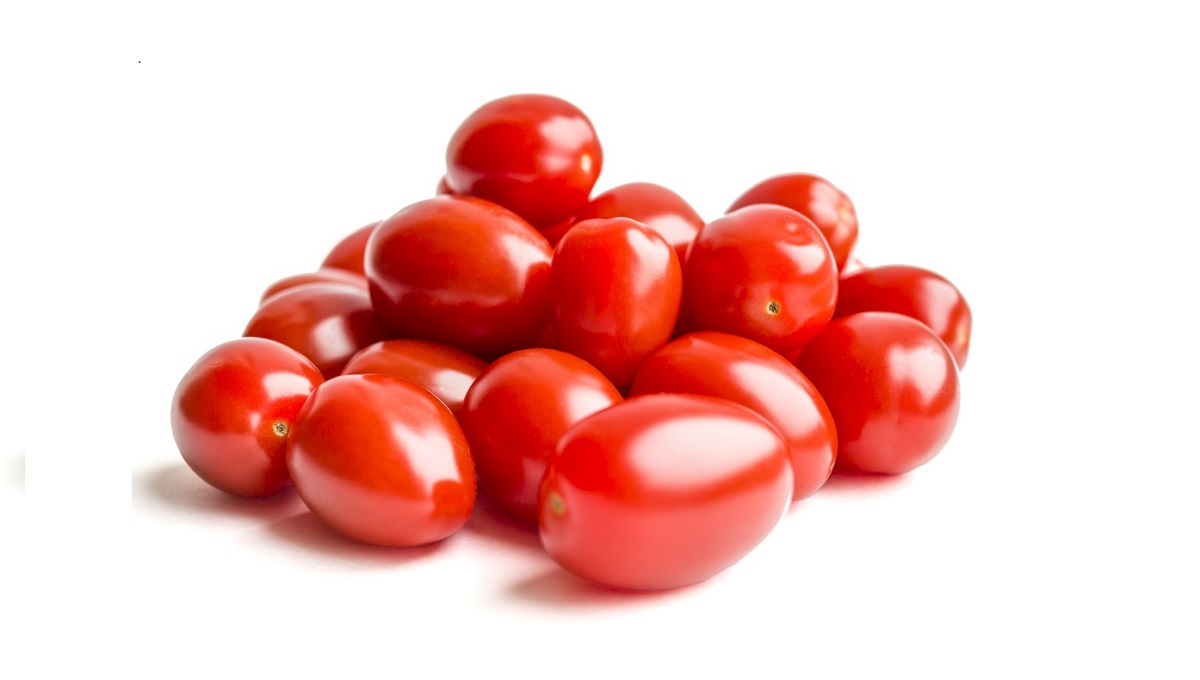
Eleven countries, including the United States, have recorded almost 150 Salmonella infections that could be linked to tomatoes.

Since January 2023, 149 cases of Salmonella Strathcona have been reported. Germany has the most patients, with 47, while Italy has 34. Most people fell sick between August and October.

The U.S. has eight cases. Six interviewed sick people had been to Spain, Italy, Croatia, France, and Slovenia. Four patients reported travel to Italy.

Austria has 17 cases, the Czech Republic and the United Kingdom have 13, and France has nine. Other affected countries are Finland, Denmark, Luxembourg, and Norway.

Different age groups are affected with no significant difference between genders.

Interviews of 52 cases revealed 32 reported consumption of fresh tomatoes before disease onset. In addition, 25 had consumed eggs, and 24 reported eating cheese.

A teleconference occurred earlier this month with experts in EU countries, the UK, and the United States to discuss the ongoing investigations.

A re-occurring seasonal incident, Salmonella Strathcona is a rare serotype in Europe. In 2022, 89 cases were recorded. An increase was seen between 2018 and 2019 when 28 and 98 cases were reported.

Denmark investigated a multi-country outbreak of Salmonella Strathcona in 2011, where datterino tomatoes from an Italian producer were suspected of being the vehicle of infection. In total, 43 cases were reported in Denmark and 28 from Germany, Italy, Austria, and Belgium.

Since then, outbreaks have occurred in Denmark and Germany in 2019 and 2020.

The 2023 outbreak has isolates that are genetically closely related to cases reported since 2011, indicating a common infection source.

The European Centre for Disease Prevention and Control (ECDC) said the incident appears to be a re-emerging, seasonal outbreak.

“Microbiological evidence indicates a common source. Epidemiological and microbiological data indicate that the most plausible hypothesis of the vehicle of infection could be tomatoes, but this hypothesis needs further investigation.

“The risk for new infections remains as long as the seasonal deliveries of contaminated produce continue. New outbreaks will likely occur in future seasons until the contaminated vehicle has been identified, traced back and control measures implemented.”


TAINTED formats 3
“Reads like a true crime novel” – Food Safety News

Interested in learning more about food safety and the history of foodborne disease outbreaks and investigations?

Click on the link to listen to a short excerpt, then follow the buy links to add a digital, print or audio copy to your personal library.

Chapter 6. Birth of a Pathogen

TAINTED is available in digital format from all major on-line retailers. Press the button to go directly to your preferred digital bookstore.