US Salmonella outbreak linked to frozen raw tuna from Vietnam

The CDC and FDA are investigating a multistate outbreak of Salmonella Newport linked to frozen, raw ground tuna supplied by Jensen Tuna of Louisiana and imported from J K Fish Co. Ltd. of Vietnam.

Thirteen outbreak cases have been reported from seven states, including: Connecticut (1), Iowa (1), Illinois (1), Minnesota (1), New York (1), North Dakota (4), and Washington (4).

Two people have been hospitalized.

The outbreak began in January 2019, with the most recent case having been reported on March 20th.

Nine (75%) of 12 outbreak victims that were interviewed reported eating sushi from a restaurant or grocery store, according to CDC.

On April 16th, Jensen Tuna recalled frozen ground raw tuna that was imported from J K Fish Co. Ltd. of Vietnam. The recalled tuna was individually packaged in clear plastic one-pound bags, and sold in white wax 20 lb. boxes. The product is only sold as a wholesale case with twenty bags in each case. The lot numbers are z266, z271 and z272.

The recalled product was supplied to wholesale distributors in Connecticut, Iowa, Illinois, Minnesota, New York, North Dakota, and Washington for further distribution to restaurants and retail locations.

CDC recommends that consumers who order sushi made with raw tuna, including “spicy tuna,” should ask the restaurant or grocery store if the tuna is from Jensen Tuna, and should avoid eating this tuna.

Symptoms of Salmonella infection may include diarrhea, fever, and stomach cramps 12 to 72 hours after being exposed to the bacteria, and typically last from 4 to 7 days. Individuals who consumed raw tuna and develop these symptoms should consult a health care provider.

In some people, the illness may be so severe that the patient needs to be hospitalized. Salmonella infection may spread from the intestines to the bloodstream and then to other places in the body.

Children, the elderly, pregnant women, and individuals with weakened immune systems are more likely to experience severe symptoms.

Restaurants and retailers should check with their suppliers and not sell or serve the recalled ground tuna from Jensen Tuna. They should also be sure to wash and sanitize locations where the recalled ground tuna was stored or prepared.


Frozen, raw chicken nuggets sicken 54 in Canada

The Public Health Agency of Canada (PHAC) and the Canadian Food Inspection Agency (CFIA) are investigating a new Salmonella outbreak linked to raw chicken.

As of January 25, 2019, 54 Canadians from ten provinces and three territories have become infected with Salmonella Enteritidis after consuming a frozen, raw breaded chicken product. None of the outbreak victims have been hospitalized in this latest outbreak.

Since mid-2017, PHAC has received reports of 529 laboratory-confirmed cases of Salmonella illness linked to raw chicken, including frozen, raw breaded chicken. To date, three people are dead, and 90 victims needed to be hospitalized. The deaths cannot be attributed directly to the Salmonella infection.

The outbreak investigations triggered recalls of eleven different brands and varieties of  frozen, raw breaded chicken products.

In response to findings by CFIA during its investigation of the most recent outbreak, Sofina Foods Inc. has recalled the following product:

Crisp & Delicious brand Chicken Breast Nuggets – Uncooked Seasoned Breaded Chicken Cutlettes, 1.6 kg packages:- Product code 2019 JL 19; UPC 0 69299 11703 5)

The recalled product is known to have been distributed to retailers in British Columbia, Manitoba, Ontario and Quebec, and may have been available nationwide, according to the recall notice.

Illnesses in the current outbreak have been confirmed in British Columbia (42), Alberta (81), Saskatchewan (18), Manitoba (25), Ontario (187), Quebec (111), New Brunswick (27), Nova Scotia (17), Prince Edward Island (5), Newfoundland and Labrador (12), Northwest Territories (1), Yukon (1), and Nunavut (2).

Symptoms of Salmonella infection may include nausea, vomiting, stomach cramps, diarrhea, chills, headache and low grade fever. The very young, the elderly, and individuals with weakened immune systems are more susceptible to severe symptoms, and secondary complications.

The public is advised not to consume the recalled product, and retailers and restaurants are advised to not sell or serve the recalled product.

PHAC recommends that consumers and food handlers observe the following precautions when preparing and handling frozen, raw breaded chicken products

  • Do not eat raw or undercooked frozen breaded chicken products. Cook all frozen raw breaded chicken products to an internal temperature of at least 74°C (165°F) to ensure that they are safe to eat. Use a digital food thermometer to verify the temperature. Insert the digital food thermometer through the side of the product, all the way to the middle. Oven-safe meat thermometers that are designed for testing whole chicken and roasts during cooking are not suitable for testing nuggets, strips or burgers.
  • Microwave cooking of frozen raw breaded chicken products—including chicken nuggets, strips, burgers, popcorn chicken or chicken fries—is not recommended because of the possibility of uneven heating.
  • Always follow the cooking instructions on the package, including for products labelled Uncooked, Cook and Serve, Ready to Cook, and Oven Ready.
  • Wash your hands thoroughly with soap and warm water before and after handling frozen raw breaded chicken products.
  • Use a separate plate, cutting board and utensils when handling frozen raw breaded chicken products to prevent the spread of harmful bacteria.
  • Do not re-use plates, cutting boards or utensils that have come in contact with frozen raw breaded chicken products to serve the cooked product unless they have been thoroughly washed.


Dozens sick after eating raw oysters; Hog Island Oysters subject to recall

This story by Coral Beach first appeared in Food Safety News and is reposted here with permission

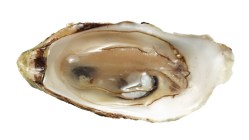
California officials have closed some commercial shellfish farming areas while they investigate an outbreak of norovirus that has sickened at least 44 people who reported eating raw oysters from Hog Island Oysters.

The company agreed to recall its “Sweetwater” and “Atlantic” oysters from a total of more than 40 restaurants and retailers in California, according to a notice posted by the California Department of Public Health (CDPH). The company did not appear to have any information about the recall or illnesses on its website as of last night. 

A spokesperson for the CDPH told Food Safety News that the source of the highly contagious norovirus had not been determined as of yesterday afternoon. It has, however, been confirmed that norovirus is responsible for the illnesses, as opposed to other foodborne pathogens. 

Marin County Environmental Health Services notified the state health department on Jan. 3 about reports of illnesses associated with the oysters. State investigators began looking for the cause and by 2:30 that afternoon they had closed all commercial shellfish growing areas in Tomales Bay.

“On Jan. 4, implicated product and future product distribution were determined and samples collected. The firm initiated a recall of the oysters and notified CDPH of that on Saturday, Jan. 5. CDPH started web posting on Monday, Jan. 7,” according to a department statement provided to Food Safety News.

State officials are aware of 44 people who ate Hog Island Oysters before becoming ill. None of those people have been admitted to hospitals. The sick people reported symptoms consistent with norovirus infection, which are primarily intense diarrhea, nausea and vomiting. Raw oysters are well-documented as a source of norovirus infections.

Infected foodservice workers can easily contaminate foods, utensils and dishes, kitchen surfaces and equipment. However, norovirus is known to survive in fresh and saltwater fish and shellfish. It has been found in species from farms and in the wild.

State officials will not allow commercial harvesting in the growing areas of Tomales Bay until further notice. Investigators continue to collect and review data. The state is working with local jurisdictions on the investigation.

A number of consumers have posted online reports about becoming sick after eating raw oysters from Hog Island Oysters on New Year’s Eve and in the first couple of days of January. Those reports include at least 29 being tracked by the website iwaspoisoned.com, according to Patrick Quade.

Quade, iwaspoisoned.com founder, said Monday there are reports of people becoming ill after eating raw oysters that were listed as being from Hog Island Oysters on menus at a restaurant in Grand Central Station in New York City. Those illnesses coincide with the timing of the California illnesses.

The list of restaurants and retailers in California where the suspect oysters were recalled is good information for consumers, but Quade said he doesn’t understand why there aren’t laws to compel food companies to post recall and outbreak information on their own websites.

“We do not know why some food companies do not post their recall notices on their website and social media channels. It is clearly the responsible thing to do, especially when lives are at stake. It reflects very badly on those companies who act in this way,” Quade said.

California officials said the U.S. Food and Drug Administration was notified of the outbreak on Jan. 4. The agency was notified of the recall on Jan. 8. As of Jan. 15, the FDA had not posted the company’s recall notice.