
Ron Paul Is Right!

FDA Should Lift Its Ban On Interstate Sale of Raw Milk For Human Consumption
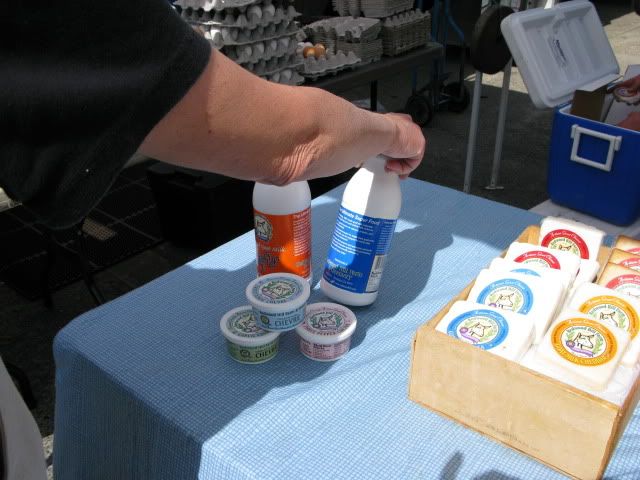
I never thought that I would agree with Representative Ron Paul. But after long reflection, I think that FDA should change its raw milk policy.

Consumers who wish to purchase and drink raw milk must navigate a labyrinth of regulations that govern its sale. Some states ban the retail sale of raw milk outright. Some permit it on store shelves. Still others allow its consumption through the back door of a “cow-share” program. Cow-share programs allow consumers to purchase a part of a dairy cow, and circumvent state laws that only permit consumption of raw milk by the cow’s owner.

This hodgepodge of state policies results in little or no oversight of raw milk producers and bottlers. And, in consequence, everybody suffers.

Earlier this week, representatives of the US dairy industry urged the Senate Committee on Health, Education, Labor and Pensions (HELP) to subject raw milk producers to the same regulatory and reporting requirements that are faced by producers of pasteurized milk. But how can FDA regulate raw milk producers while simultaneously banning the retail sale of their products?

The consumption of raw milk, and of dairy products made from unpasteurized milk, has been behind numerous outbreaks of food-borne disease. Many of these outbreaks have been linked to raw milk obtained through cow-share programs or purchased directly from dairy farmers.

In lifting the outright ban on interstate shipment of raw milk for retail sale, FDA would be able to bring raw milk under its regulatory umbrella. National standards could be set in cooperation with all 50 states, in much the same way that uniform standards have been agreed to for pasteurized milk. FDA and state regulators could insist on stringent safety and sanitation standards that would apply equally to all raw or pasteurized milk producers.

I have never been a supporter of the raw milk lobby. I know too well that raw milk, as it is produced and marketed today, is microbiologically risky. But prohibition isn’t working – just as it didn’t work for alcoholic beverages in the 1930s.

I have come to the conclusion that the only way to protect the US consumer from the health risks associated with drinking raw milk is to legalize it – and to hold raw milk to the same demanding safety standards that pasteurized milk must meet.

It’s time to recognize – and to regulate – raw milk.

I Should Have Voted For Hillary

More than one year after Barack Obama won the presidential election, and nearly ten months after his inauguration, the current administration’s efforts to improve our food safety system have stalled. For example:

  • We are still waiting to hear who will fill the key post of Undersecretary for Food Safety at USDA.
  • Food safety legislation, which passed the House on July 29th, is taking a back seat to health care reform and is unlikely to pass the Senate this year.
  • FDA’s backbone is as stiff as a strand of spaghetti, as shown by the Agency’s cave-in last week over raw oyster safety policy.

President Obama and his “team” have given very little concrete direction to legislators working on food safety reform. His Administration apparently prefers to lead by wishing. The Food Safety Working Group, announced by Obama in March 2009, published its list of food safety principles on July 1st:

  • Principle 1: Preventing harm to consumers is our first priority.
  • Principle 2: Effective food safety inspections and enforcement depend upon good data and analysis.
  • Principle 3: Outbreaks of foodborne illness should be identified quickly and stopped.

This took more than three months to figure out?

The President should have asked Secretary of State Hillary Clinton to join the Food Safety Working Group. She unveiled a detailed food safety policy agenda in February 2008 – one day after Hallmark/Westland Meat Packing Company recalled more than 143 million pounds of beef. Her program included:

  • Immediately conduct a thorough audit of our nation’s food safety systems to locate weaknesses and gaps.
  • Increase USDA food safety funding by more than 50% so that our inspectors have the resources and staffing they need to do their jobs.
  • Move toward a single Food Safety Administration responsible for all food products, with strong authorities to protect consumers.
  • Give our safety agencies mandatory recall authority and direct them to create a national tracing system so we can determine the origin of tainted food.
  • Find, prosecute, and punish food production facilities that abuse animals and allow unsafe food to enter our food supply.
  • Ban the slaughter of downed animals.

If Hillary Clinton had won the Democratic Party nomination and the White House, she would not have relied on Congressional committees to draft legislation based on a wish list. Hillary would have sent a detailed draft Food Safety Modernization bill to Congress, and would have lobbied strenuously for its passage. Nor would she have allowed a key food safety position to remain vacant for 10 months.

definitely should have voted for Hillary!

Guest Blog: The Raw Milk Debate

The following Guest Blog first appeared on the ePerspective, a feature of the IFT newsletter, the weekly, and is reproduced here with the kind permission of its author, Dr. Catherine Donnelly.

The Raw Milk Debate: Economic Opportunity or Legal Liability?

Despite claims of health benefits associated with raw milk consumption, raw milk is a well documented source of bacterial pathogens which can cause human illness, and in some instances, death. Consumers who choose to purchase and consume raw milk should understand that raw milk may contain dangerous bacterial pathogens. Consumers should also understand whether they are in a risk group, which increases their chances of adverse health impacts from exposure to bacterial pathogens.

The dangers posed to public health by bacterial pathogens associated with raw milk consumption are numerous. Listeria monocytogenes, Salmonella Typhimurium, Escherichia coli O157:H7, and Campylobacter are just four of the pathogens of concern in raw milk. The bacterial pathogens posing a risk to consumer health have become more dangerous in the past two decades.

During this same period, the percentage of our population at risk for foodborne illness has increased significantly. It is critically important to understand risks posed by raw milk consumption, why the pathogens have become so dangerous, who is at greatest risk for severe illness and death, and why we need public health policies that limit exposure and warn susceptible consumers about dangers posed by raw milk consumption.

Of all of the food commodity sectors in the U.S., no sector is more committed to public health than the dairy industry. The reason for the absolute commitment to public health stems from early in the 1900s when raw milk was a major source of human disease, including tuberculosis and scarlet fever. Numerous deaths were linked to raw milk consumption. The public health response to this crisis was the crafting in 1924 of the Pasteurized Milk Ordinance (PMO), a comprehensive document which governs all aspects of production, processing, and marketing of milk and dairy products. Pasteurized milk is not a safe product simply due to the heat treatment which milk receives; milk safety is achieved because the PMO outlines a comprehensive system to assure milk safety.

The PMO is constantly updated, guided by scientific experts, farmers, and dairy industry personnel working through the National Conference on Interstate Milk Shipments (NCIMS) which works to “assure the safest possible milk supply for all the people” through enforcement of Grade A milk sanitation laws. The PMO has made pasteurized milk one of the safest food products available to consumers, and this ordinance has had a profound positive impact on public health. The PMO is the accepted operating guideline for the handling and production of milk and dairy products in most states. Adherence to the PMO importantly protects the U.S. milk market by enhancing consumer confidence in dairy product safety and reducing liability costs of this economically significant sector of the U.S. agricultural economy.

Many states have recently passed legislation to expand the sale of unpasteurized milk, allowing farmers to sell larger quantities of unpasteurized milk and thereby enhance economic opportunities in these times of severe economic challenges for so many dairy farmers. However, should economic opportunity be met at the expense of public health? Does pursuit of economic opportunity for some create the right to jeopardize the image of an entire industry that has built its reputation on the safety and wholesomeness of its products? Has this legislation created two standards for milk production in the U.S. and if so, what does this pose for the future of the U.S. dairy industry? There are important liability issues faced by individuals producing products causing harm to consumers, so the key question remains: Has raw milk legislation created economic opportunity or legal liability for farmers engaged in the sale of unpasteurized milk?

About Cathy Donnelly: Dr. Catherine Donnelly is Professor, Dept. of Nutrition and Food Science, University of Vermont and Co-director, Vermont Institute for Artisan Cheese.