Laos – Elephants and Other Animals

We spent a day in the Laotian back country outside of Luang Prabang, where we visited a village and an elephant camp.

Unlike the situation in the United States, Canada and much of the “developed” world, food animals in Southeast Asia are raised close to home.

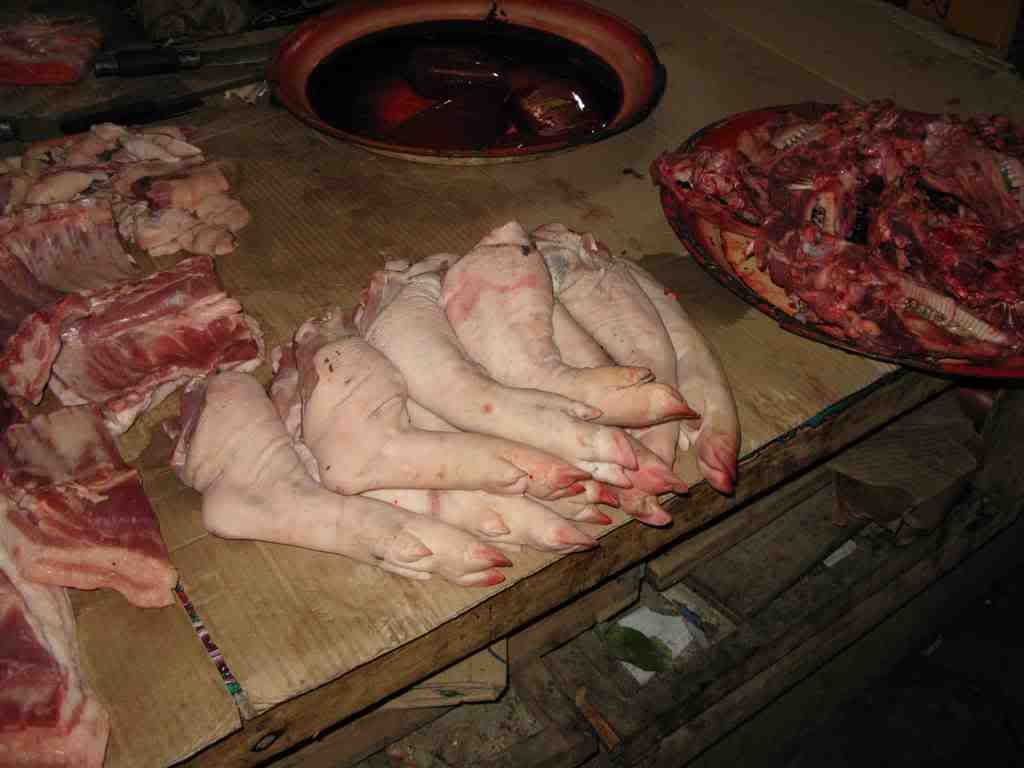
This family of pigs appeared to be quite contented with their lot in life.

Little did they dream that a Phosy Market stall might be their next destination.

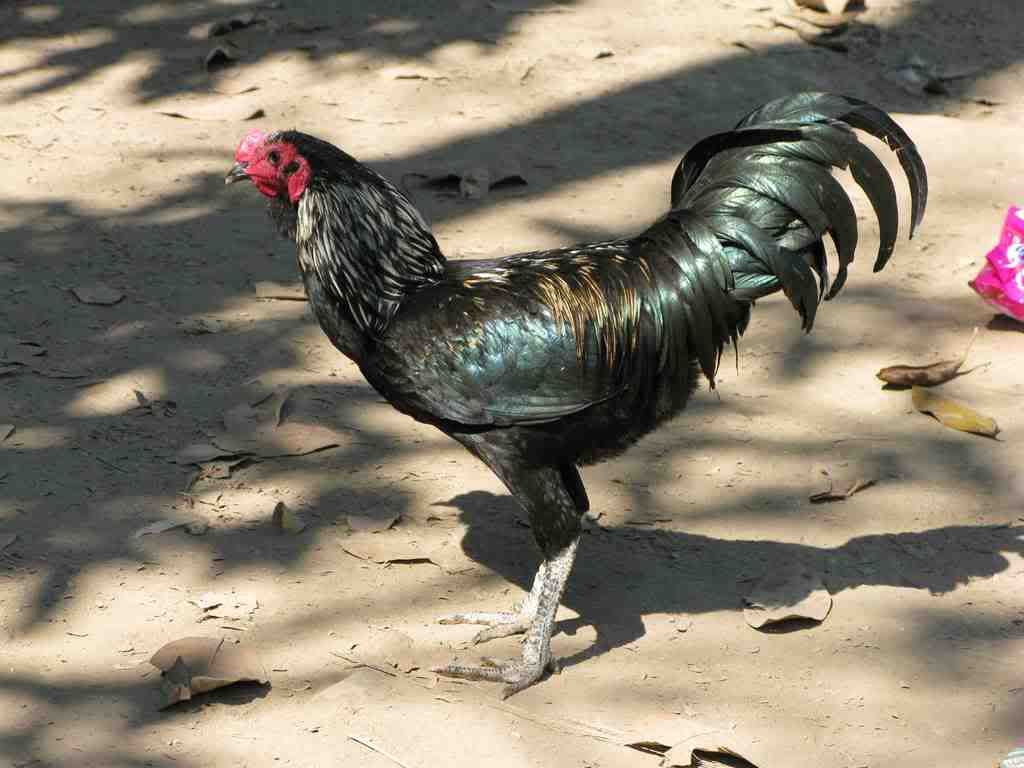
Poultry is always “free-range” – never cooped up in close quarters.

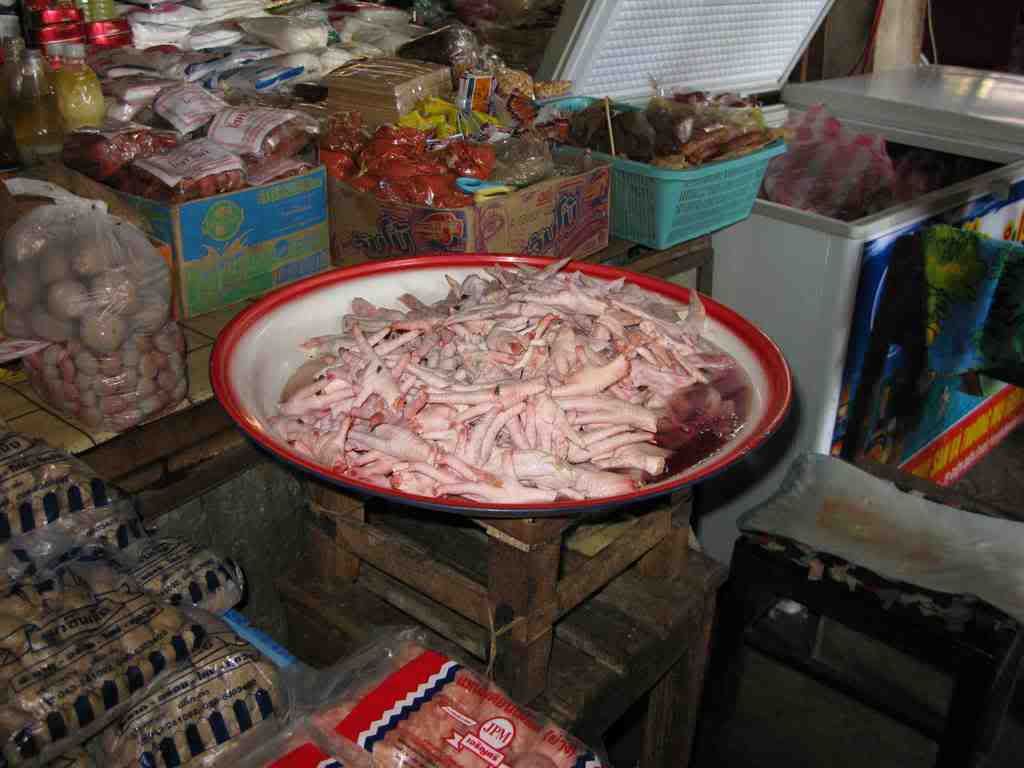
But this rooster didn’t realize that his feet could end up on someone’s dinner table.

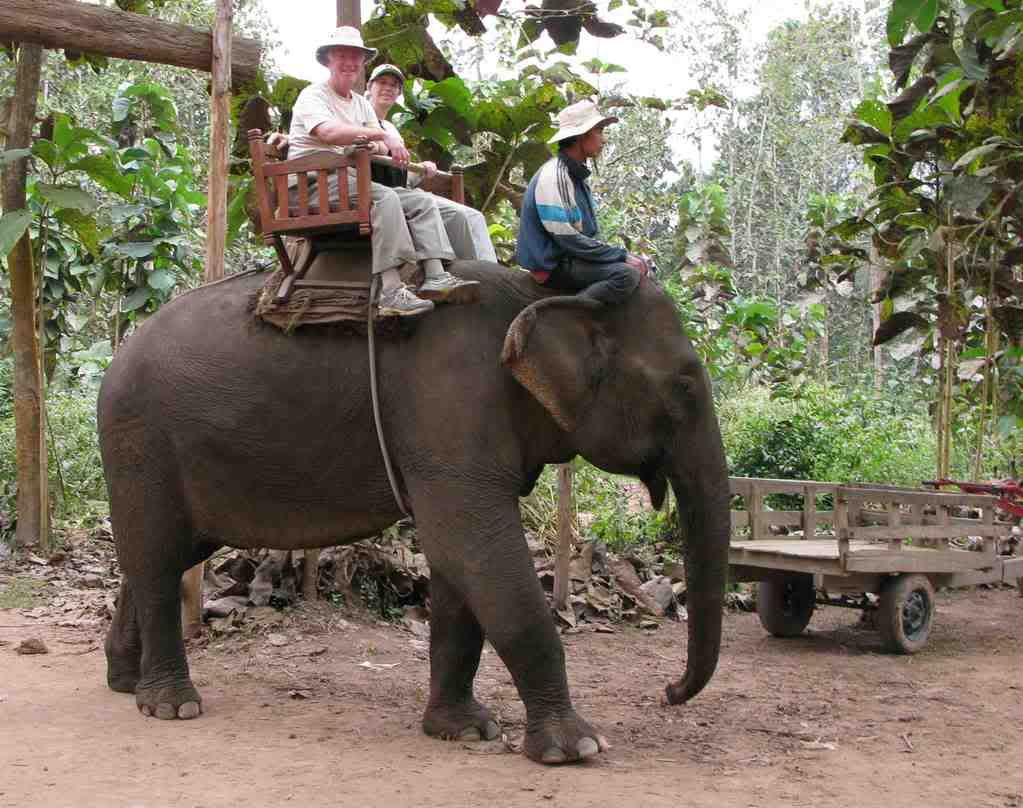
Of the animals that we met on this trip, the elephants had the least to worry about. Rescued from their work in the teak forests of northern Laos, the elephants are well cared for. They are bathed daily and allowed to graze to their hearts’ content. Their only job is to give rides to the occasional tourists and pose for photographs.

We probably felt like a couple of fleas on this beauty’s back.

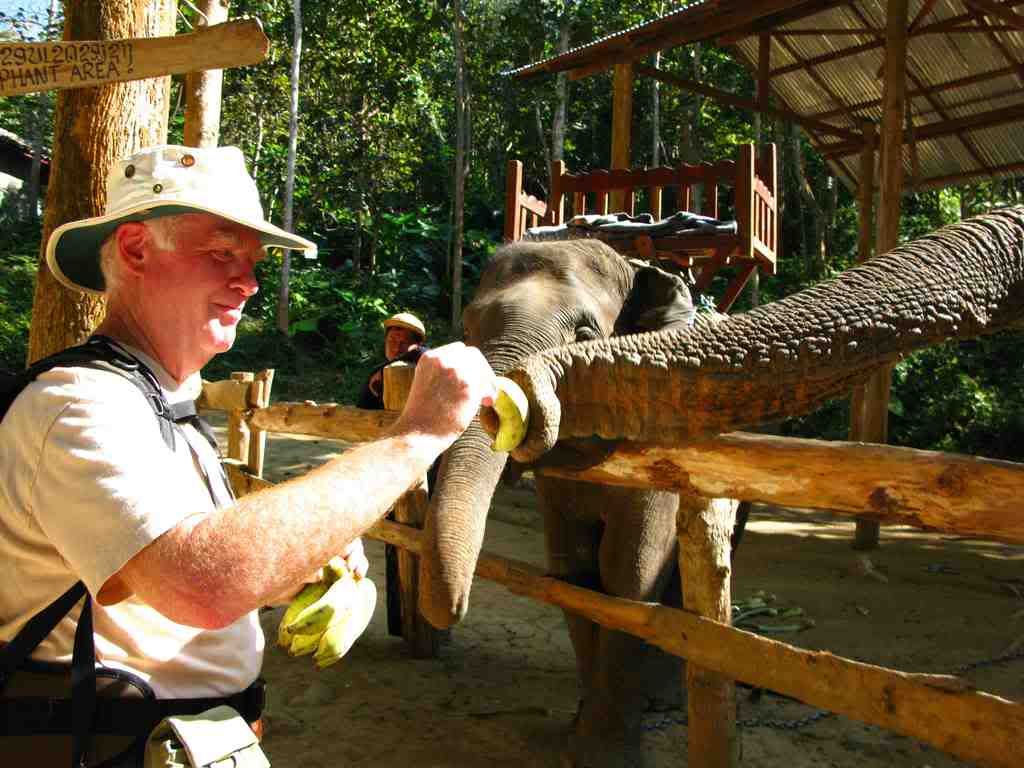
These beasts go “bananas” over their fruit snacks.

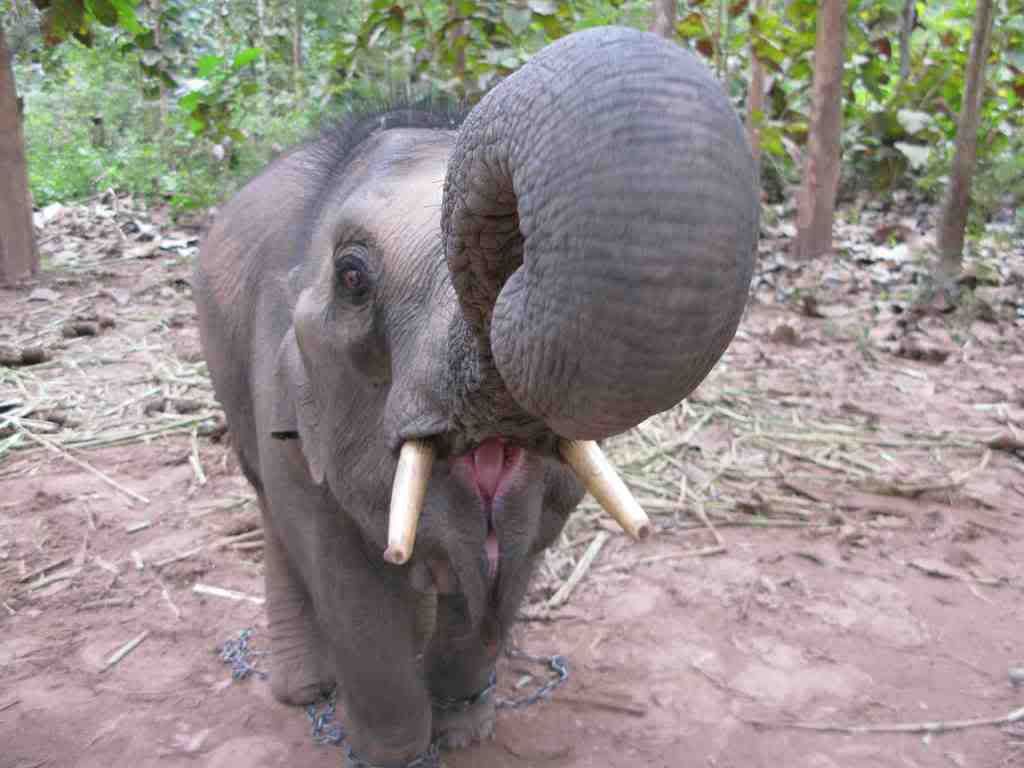
This 3-year old baby elephant thought our camera was a treat. He wanted MORE!

If you, like this elephant, want MORE, just enable the “subscribe” option at the bottom of the blog page and you will receive updates of our Southeast Asian adventures and other blog posts automatically.

Laos Cuisine – Part 2

According to yesterday’s Wall Street Journal, the Year of the Rat is being marked by some changes to the Vietnamese diet. Due in part to the bird flu epidemic, rat meat and other specialty meats are becoming increasing popular.

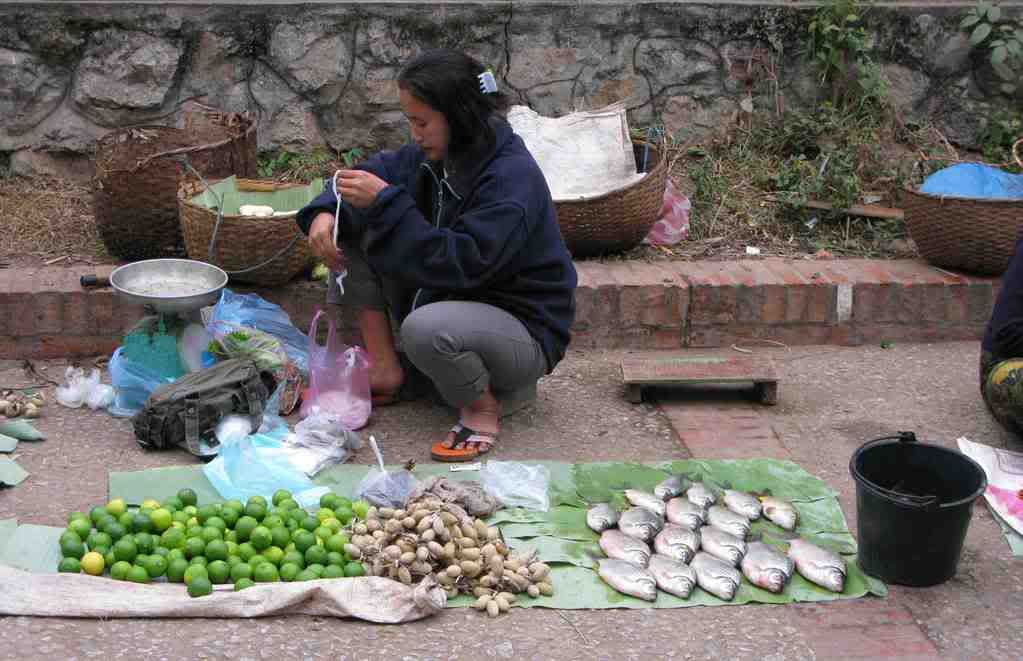
This might be new in Vietnam, but Lao villagers are definitely ahead of this trend. When we visited a village outside of Luang Prabang, Laos last month, we learned that the usual diet of fish, pork and poultry is often supplemented with meat from wild birds, snakes, rats and bats. And after visiting one of the local markets, we could understand why.

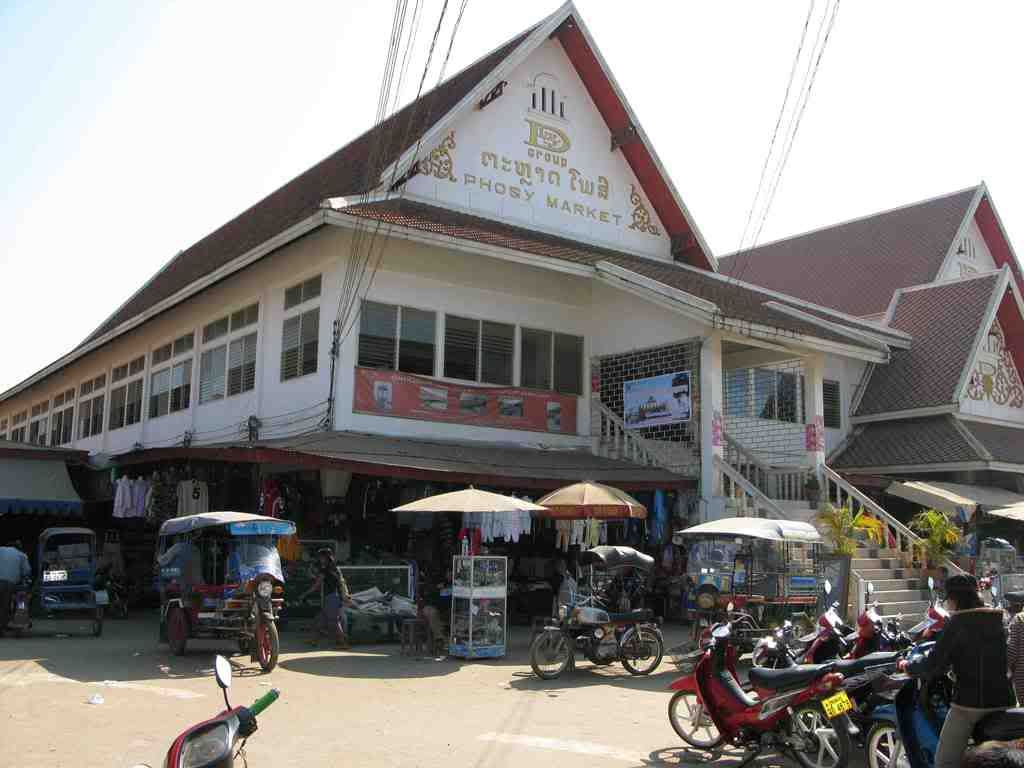
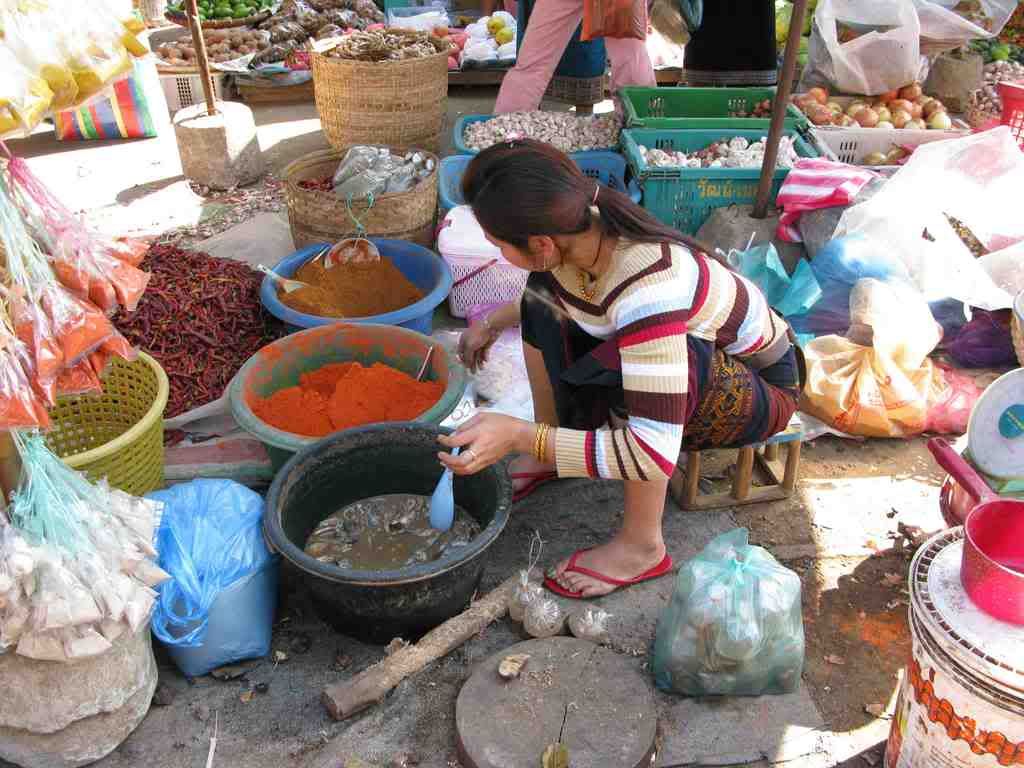
This is the Phosy Market, located in the large village of Phosy, on the outskirts of Luang Prabang. This market houses individual food vendors, as well as stalls selling clothing, kitchen utensils, and almost anything else one can imagine.

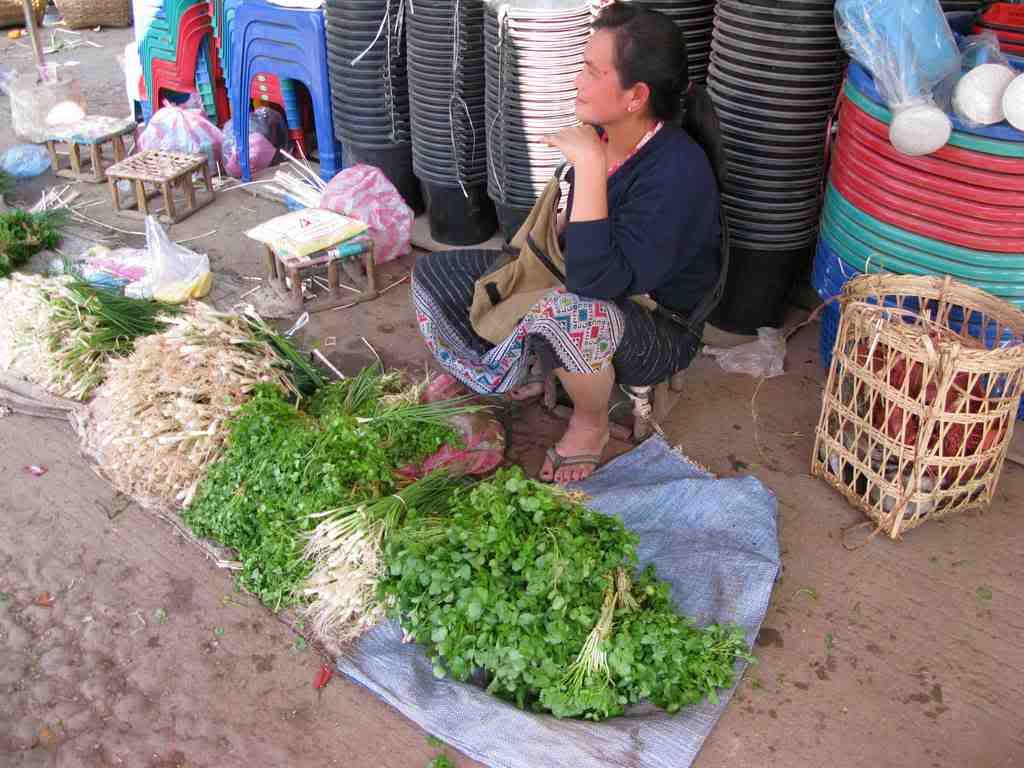
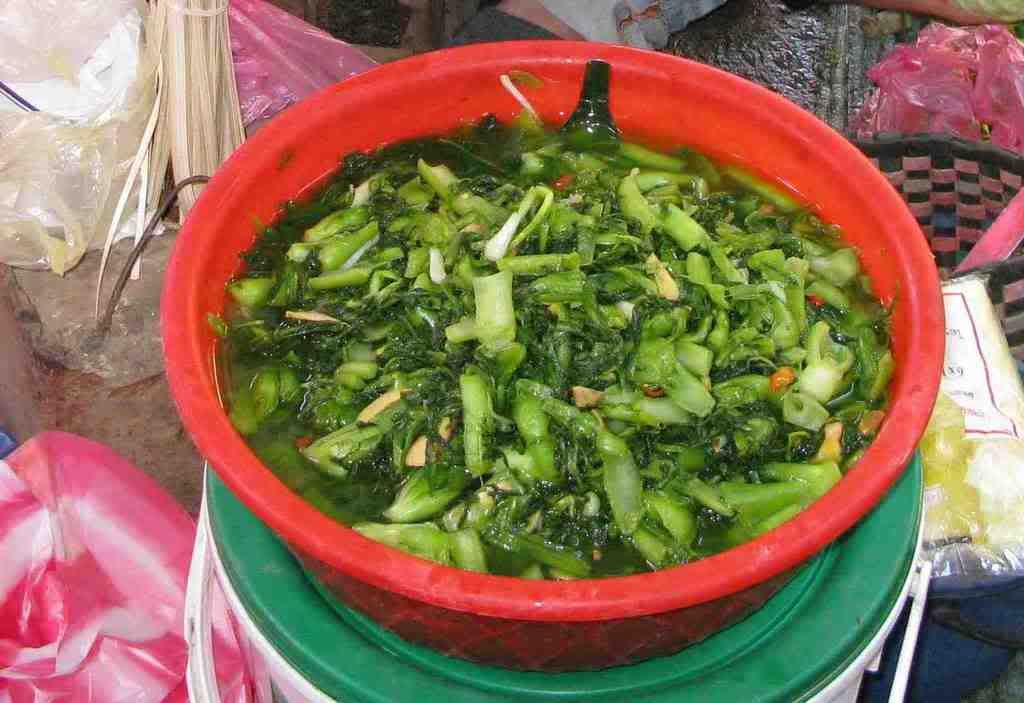
Here is one of the produce counters.

These cut greens have been pre-washed for customer convenience.

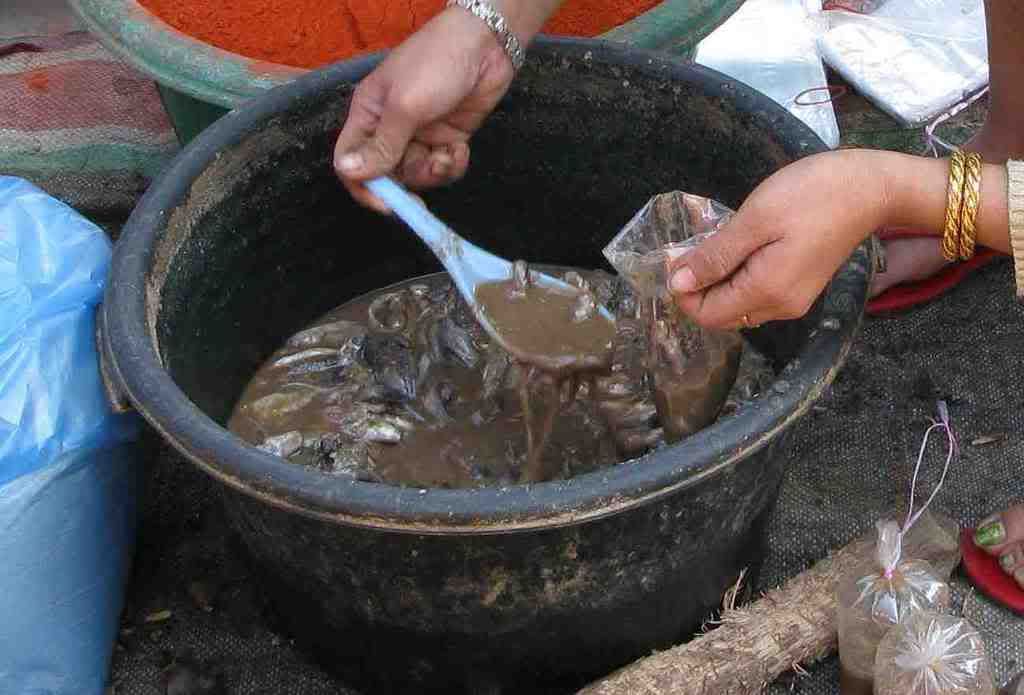
This vendor offers a variety of spices and condiments.

Fish sauce, anyone?

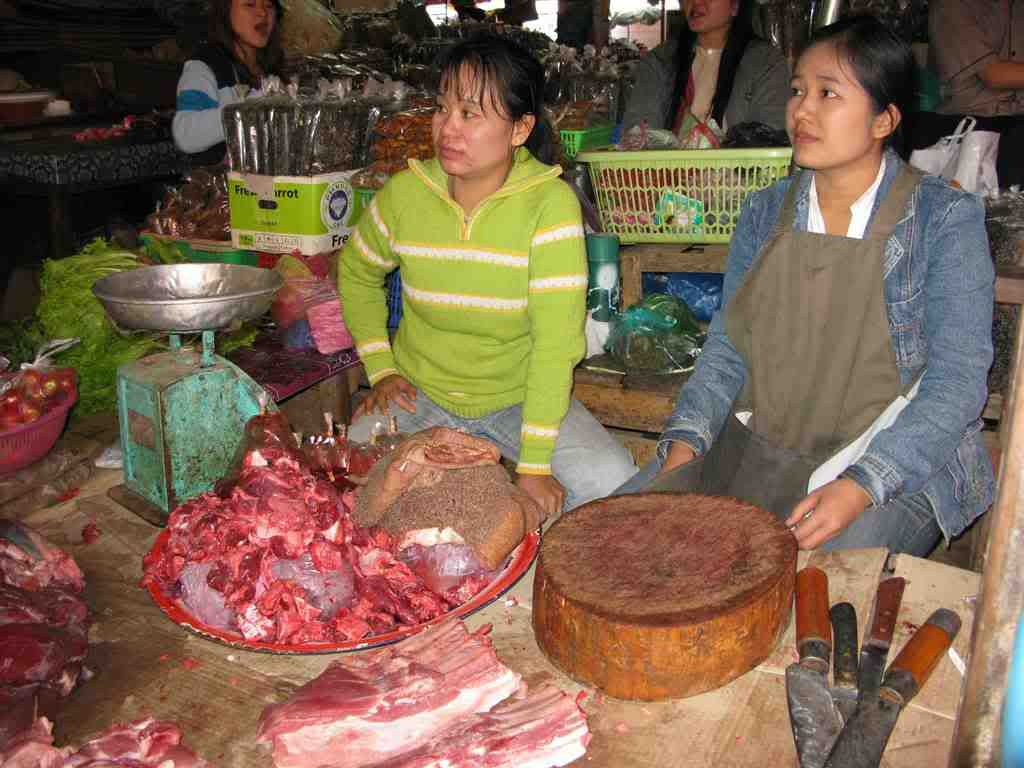
Here is one of the market’s butcher shops.

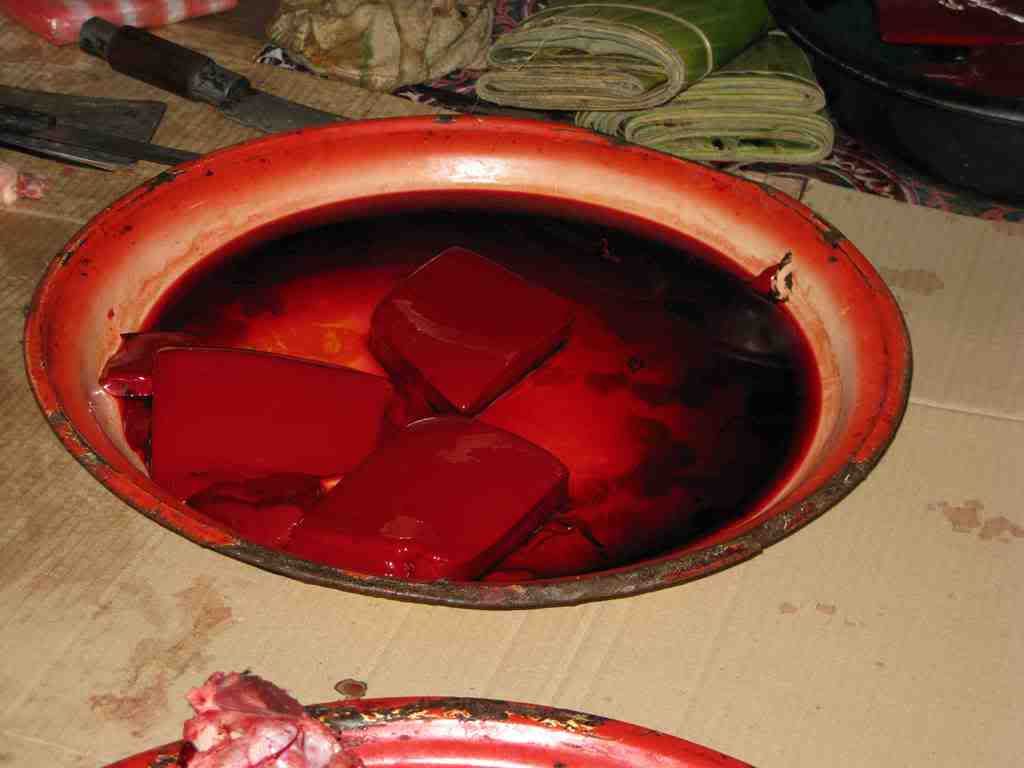
Pork blood is a local delicacy. The blood is collected, salted and allowed to clot. The blood cakes are eaten raw.


We saw no dairy stalls in this market, for a very good reason. Electricity, where it’s available, costs approximately US$0.25 per kilowatt hour in Laos. That is expensive even by North American standards, and it puts refrigeration out of the economic reach of the average Laotian villager.

Laos Cuisine – Part 1

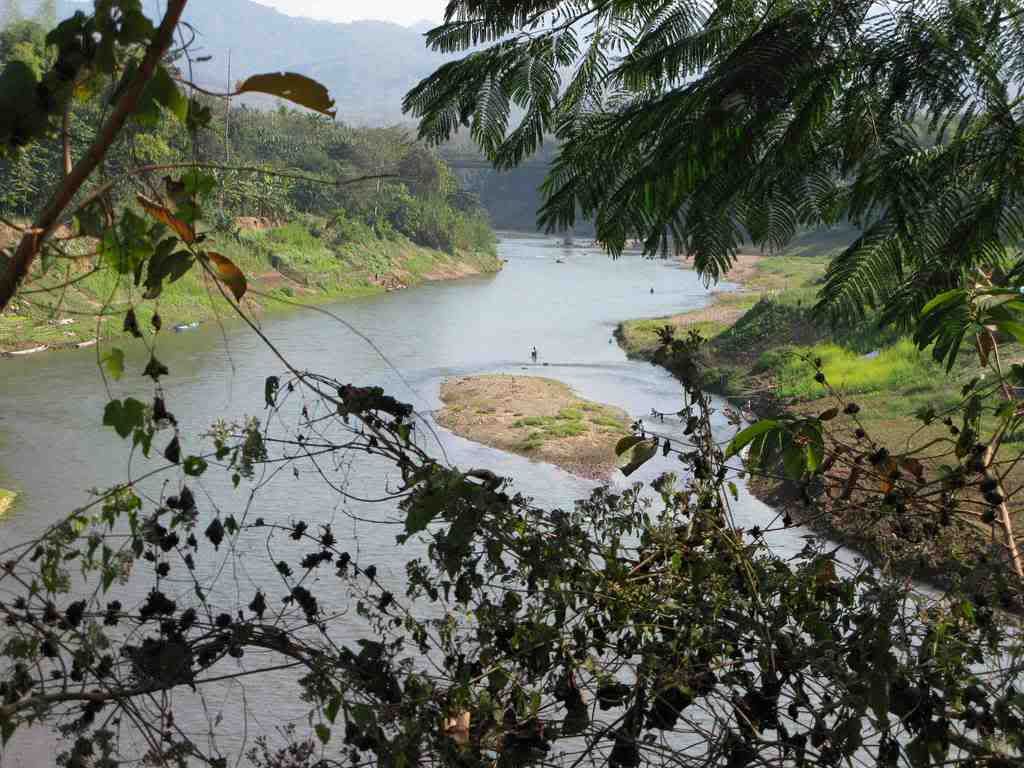
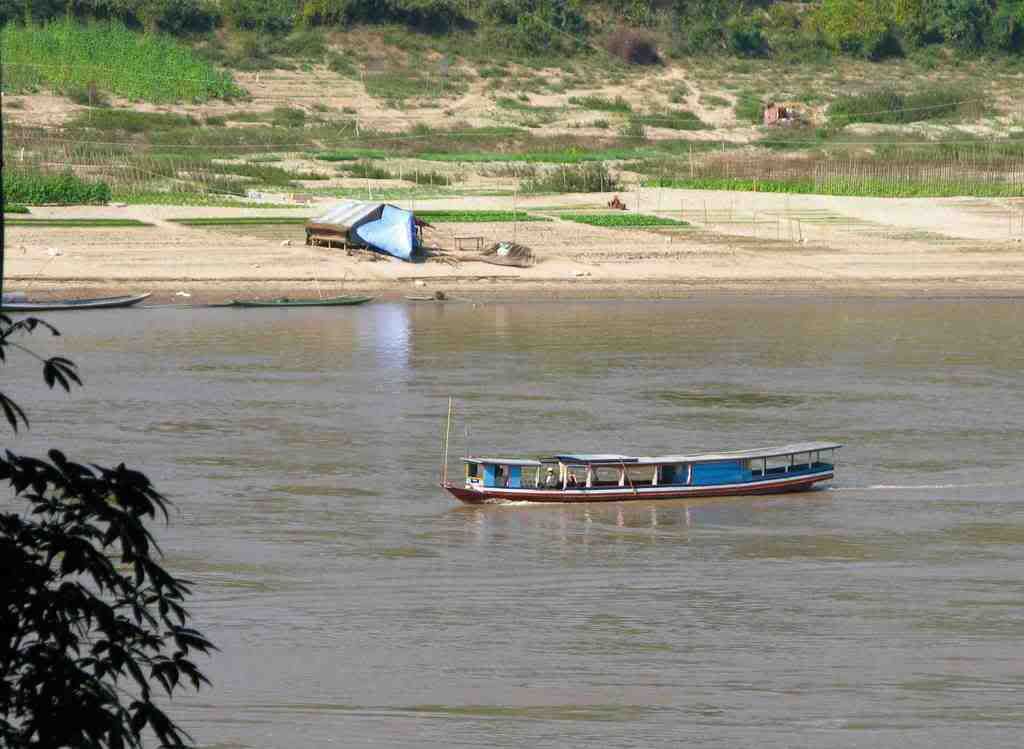
One of the “Great Rivers” of Asia, the Mekong meanders through land-locked Laos before entering Cambodia and then Vietnam, eventually evolving into the famous Mekong Delta and emptying into the South China Sea. The original name of the river – Mae Nam Khong – means “mother of all rivers”, and this (approximately) 4,350 km (2,700 mile) waterway truly is a life-giver to the Lao people (data from Wikipedia).


The Mekong River supplies fish to eat, water for drinking, washing and irrigation, and sediment to fertilize river-side vegetable gardens.


There is one more important element of Lao life that is furnished by the Mekong – riverweed.

A freshwater equivalent of seaweed, riverweed grows abundantly the Mekong, giving the river its green color. It is a grassy waterplant that wafts in the river currents just below the surface of the water.

Harvesting riverweed is easy. One simply needs to take a boat out on the river, navigate to a clump of riverweed, reach over the side of the boat and pull it on board.

Once gathered, the riverweed is used in several ways. Most often, fresh riverweed is laid onto bamboo racks in thin sheets and dried in the sun. The dried riverweed is sometimes broken into pieces, sprinkled with salt or sesame seeds, deep-fried and used as a snack. But it has other uses.

Here, dried riverweed mats are used as to display fish in the Luang Prabang street market.


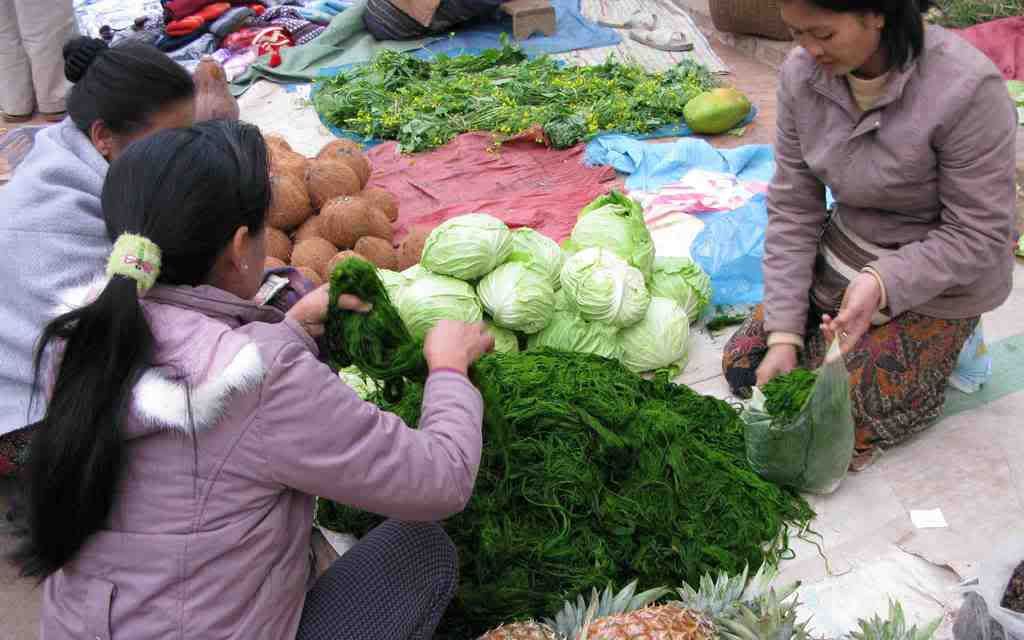
Fresh riverweed is sold in bulk by a vendor in the Luang Prabang morning street market. Her customer will probably use her riverweed in a soup.


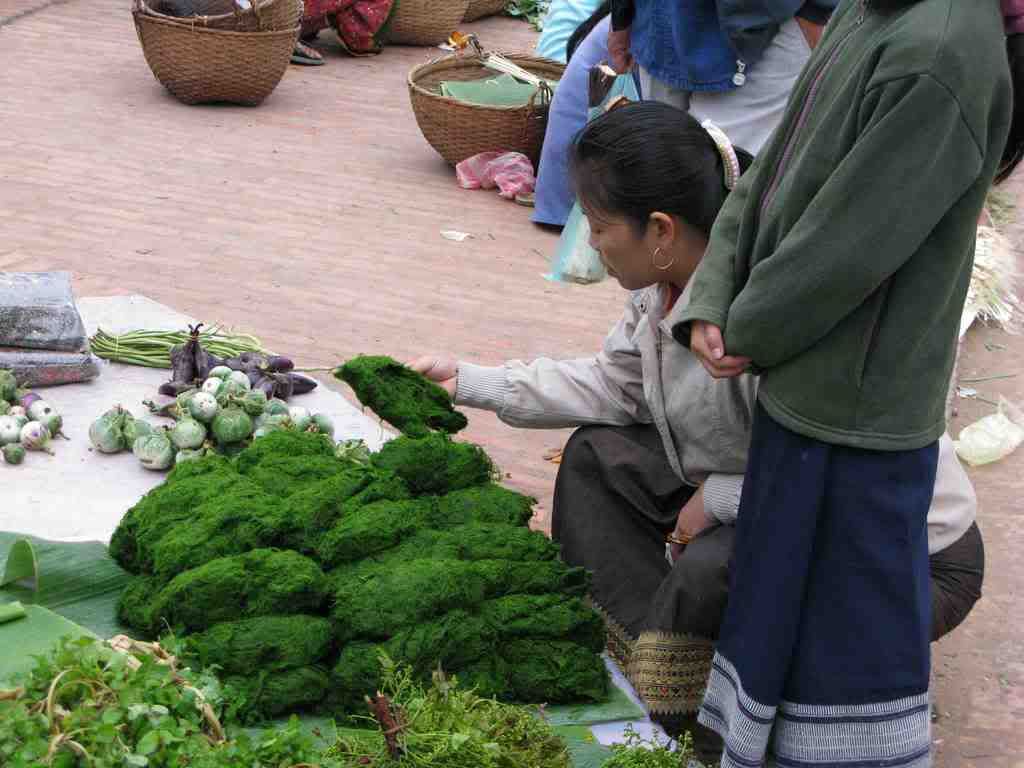
Another vendor offers riverweed in a more convenient package – compressed into large blocks for easy handling.


No matter how riverweed is used, this versatile product of the Mekong is one of the more unusual agricultural products of Laos.