The Great Myanmar Watermelon Caper

One precaution that we were very careful to follow throughout our entire Southeast Asia tour was to avoid eating any fruit that had not been peeled by one of us. This was difficult, as the usual dessert offered in most of the restaurants was cut fruit – especially, luscious-looking papaya and watermelon. Inevitably, this resulted in a craving for watermelon, which was in season and on display in every Myanmar food market.

While we were walking through the Mandalay food market with our guide, Michael spied a display of watermelons stacked neatly at a booth. He decided that – by hook or by crook – we were going to enjoy some watermelon. With the help of our Mandalay guide, he purchased a watermelon (for the equivalent of US$1.00). Next, we needed to figure out how to enjoy this dirt-encrusted treasure.

We returned to our hotel, the Mandalay Hill Resort, and asked the receptionist whether their restaurant would be able to wash the watermelon for us (using bottled water, of course), and slice it at our table so that we could be certain how it had been handled. The receptionist agreed readily, and offered to hold the watermelon at the desk until we came down to dinner (more about that dinner in another post). We thanked her and our guide for their assistance in our quest and headed up to our room to relax before dinner.

Within five minutes of arriving in our hotel room, we received a call from the reception desk. The clerk informed us that the restaurant manager had refused to serve our watermelon to us because it was “food from outside”.

The following morning, we reclaimed our watermelon from the reception desk, and left for Maymyo with our guide. Maymyo is a small mountain resort town about 40 miles from Mandalay and was quite popular with the British during the height of their Empire. Our guide offered to babysit the watermelon (it spent the drive nestled at his feet), and said that he would arrange for our hotel in Maymyo – the Kandawgyi Hill Resort – to help us.

The management of the inn was very accommodating, and agreed to assist in Operation Watermelon.
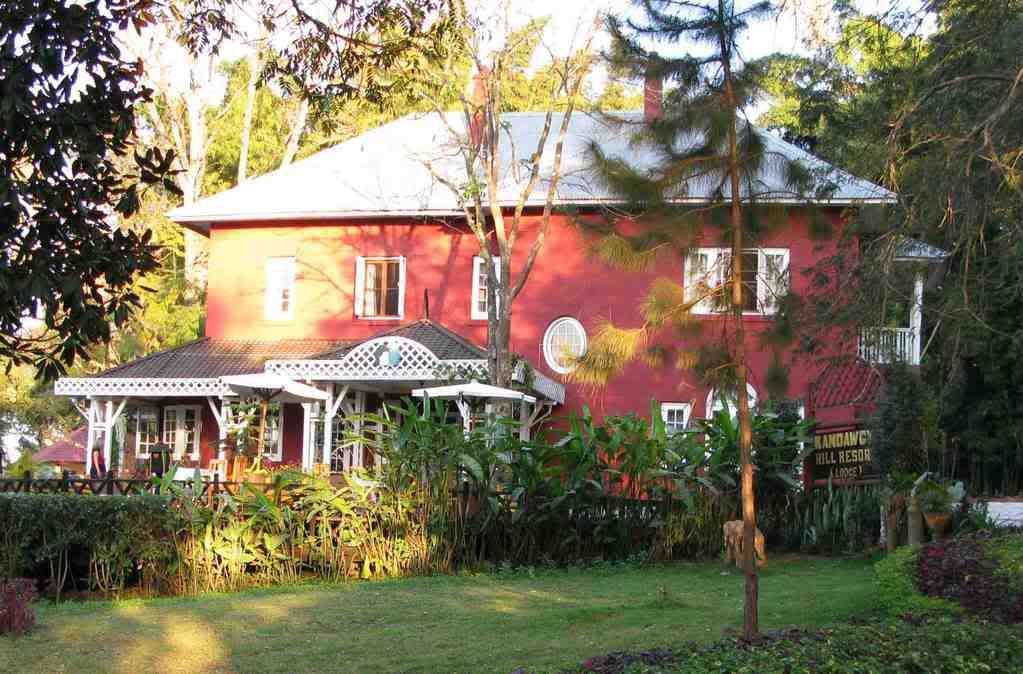
This is the inn where the watermelon caper attained its grand climax.

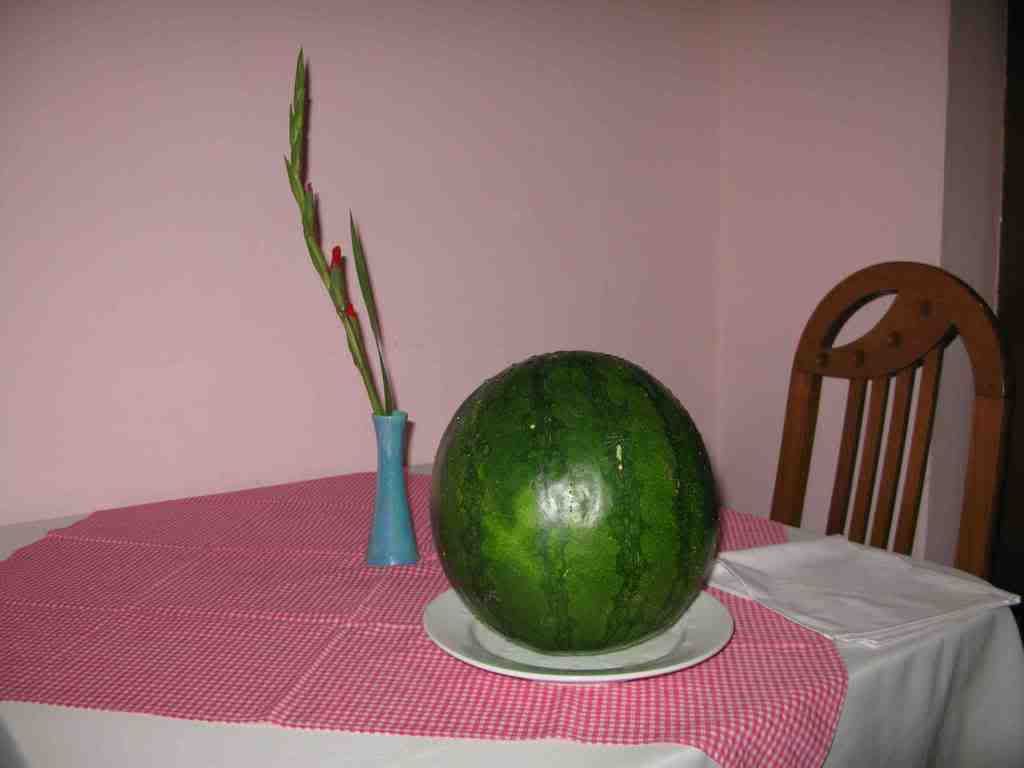
That night, after we had finished our main course at dinner, the maitre d’ arrived with our freshly-bathed watermelon.

The first order of business was to complete the clean-up by drying the melon.
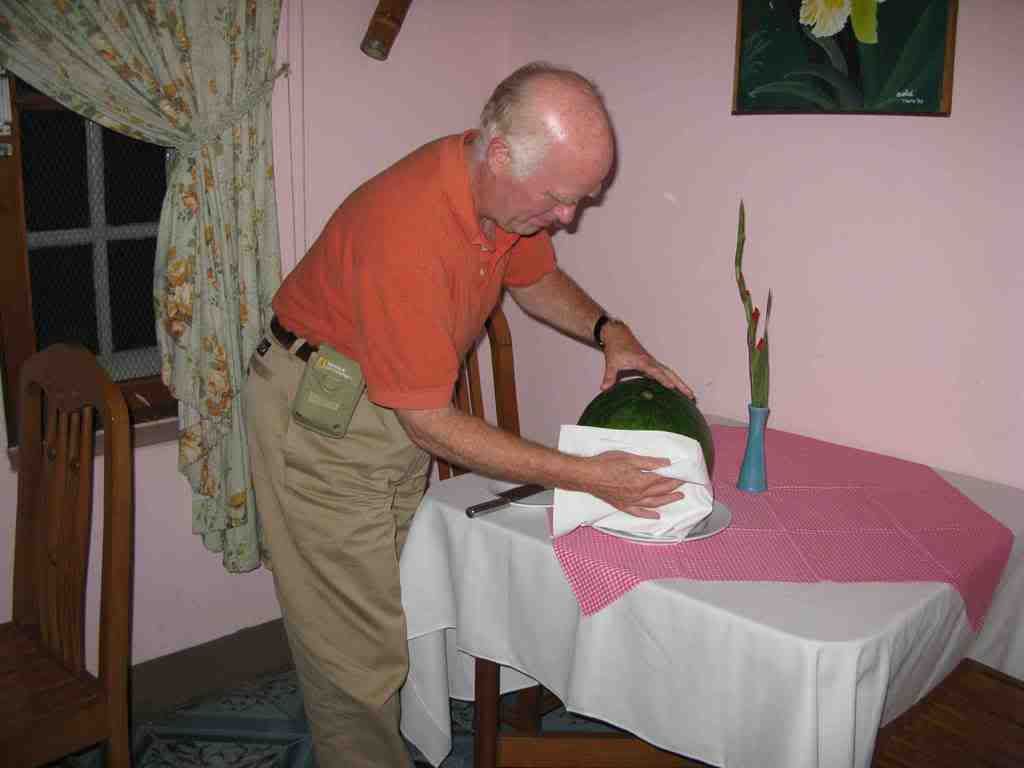
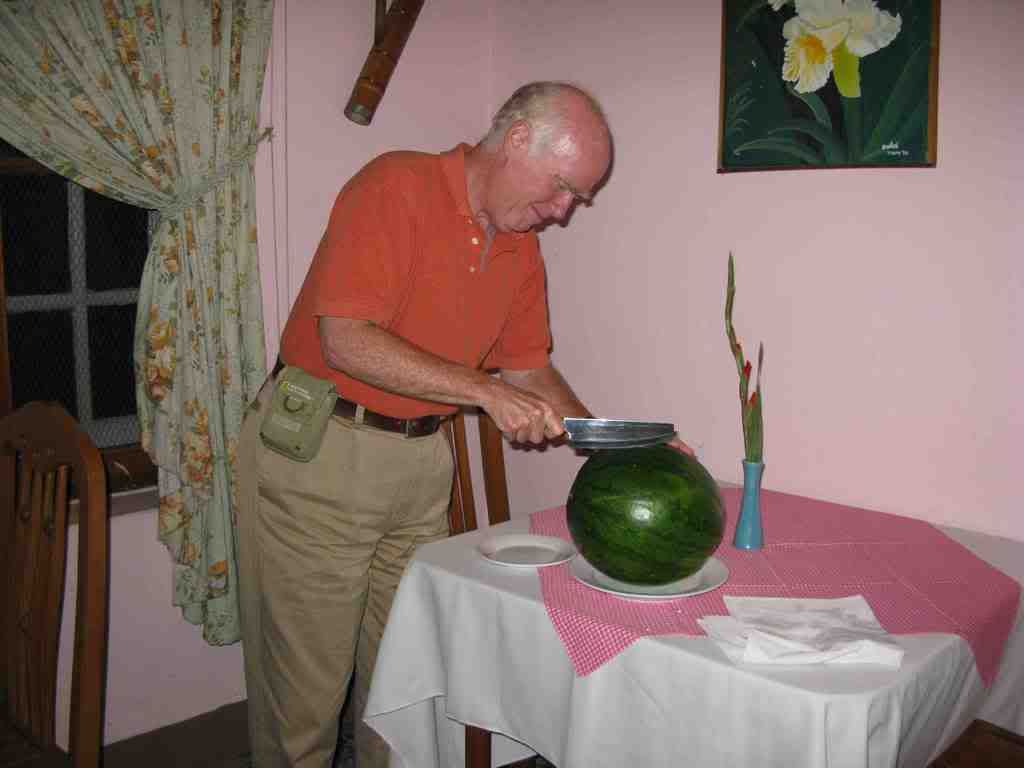
With the patient properly “prepped” for surgery, it was time for the first incision.

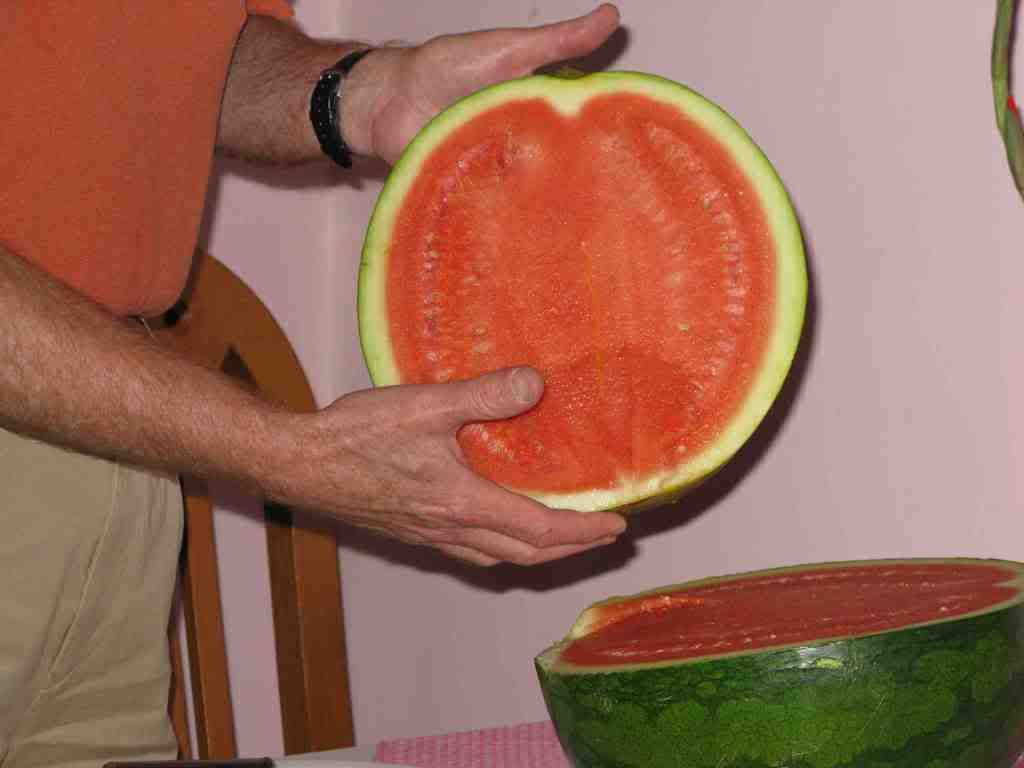
The surgery was successful…

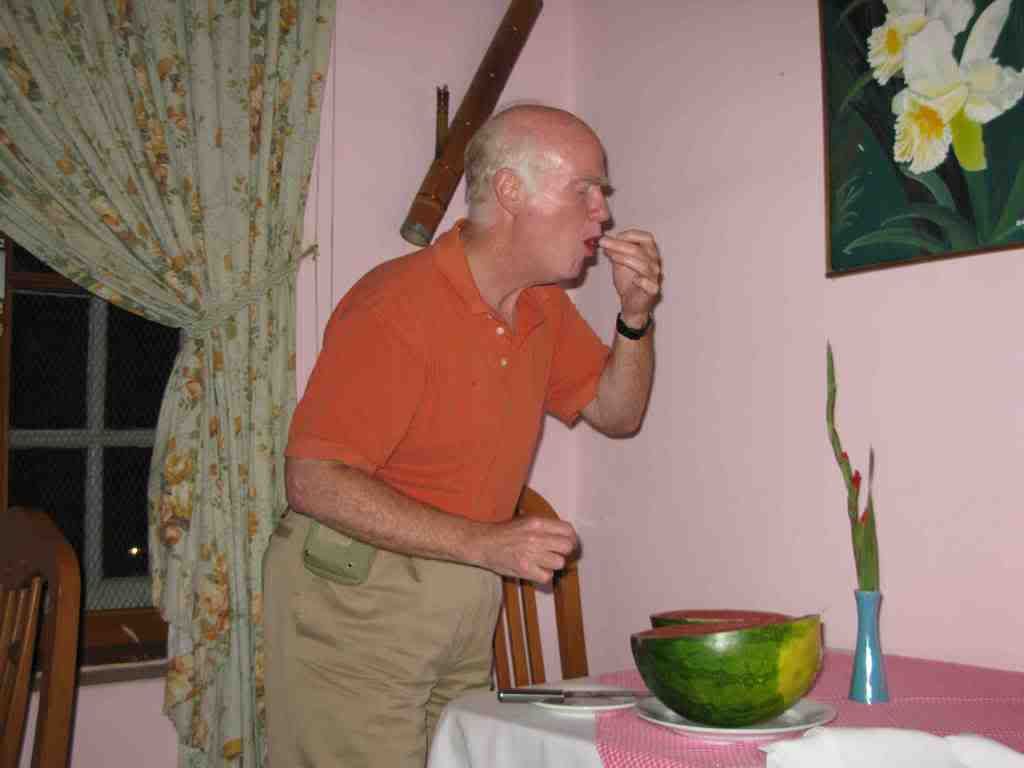
… and the patient was delicious.


There were two other tables filled with diners in the Inn’s restaurant that evening. Everyone received a share of our “certified clean and safe” watermelon.

Dunkin’ Donuts – Thai Style: A Follow-up

One of the first reports I published on our Southeast Asia travels concerned our visit to a Dunkin’ Donuts location in Bangkok, Thailand. Some of you might recall my description of the coffee cream dispenser, and the instructions for preparing a croissant sandwich.

I emailed the Dunkin’ Donuts US customer service department to advise them of my blog posts. I am delighted to report that my email was forwarded to Mr. Nadim Salhani, the Group General Manager of Golden Donuts (Thailand). I received the following message from Mr. Salhani by email this morning:

Dear Mrs Entis,

Many thanks for the comments in regards to our Dunkin store at Siam Square well received, and on behalf of Golden Donuts (Thailand), I sincerely apologize for this unfortunate incident that must have spoiled yours and your husband day.

The experience you had is not acceptable and it is very clear we did not keep our standards were it should be. This shows we have failed to train our people on proper hygienic conduct.

I want to make sure this does not happen again and therefore will be conducting special training sessions within this week to discuss and revise our hygiene and sanitation standards with our operations team. The plastic cup will have to go, and maybe we should try to improve English communication in the stores that service to more foreign customers.


Thank you once again for bringing this issue to our attention. I know the damage is already done and unfortunately the scar remains, but I would like you to know that we will be taking the proper corrections in order to offer the customer experience we strive for at Dunkin Donuts.

Yours sincerely
——————————————————————————
Nadim Xavier Salhani
Group Managing Director
Abp Cafe (Thailand) – www.aubonpainthailand.com
Golden Donuts (Thailand) – www.dunkindonuts.com
Golden Food Services
209/1 K Tower B, 25th Floor. Sukhumvit road No.21. Klongtoey Nua, Wattana, Bangkok 10110, Thailand
Tel: +66 2261 5354, Fax: +66 2261 5360

A tip of the hat to Dunkin’ Donuts in the US for forwarding my email, and to Mr. Salhani for his prompt and substantive response.

Myanmar Food Processing: Snake Fish

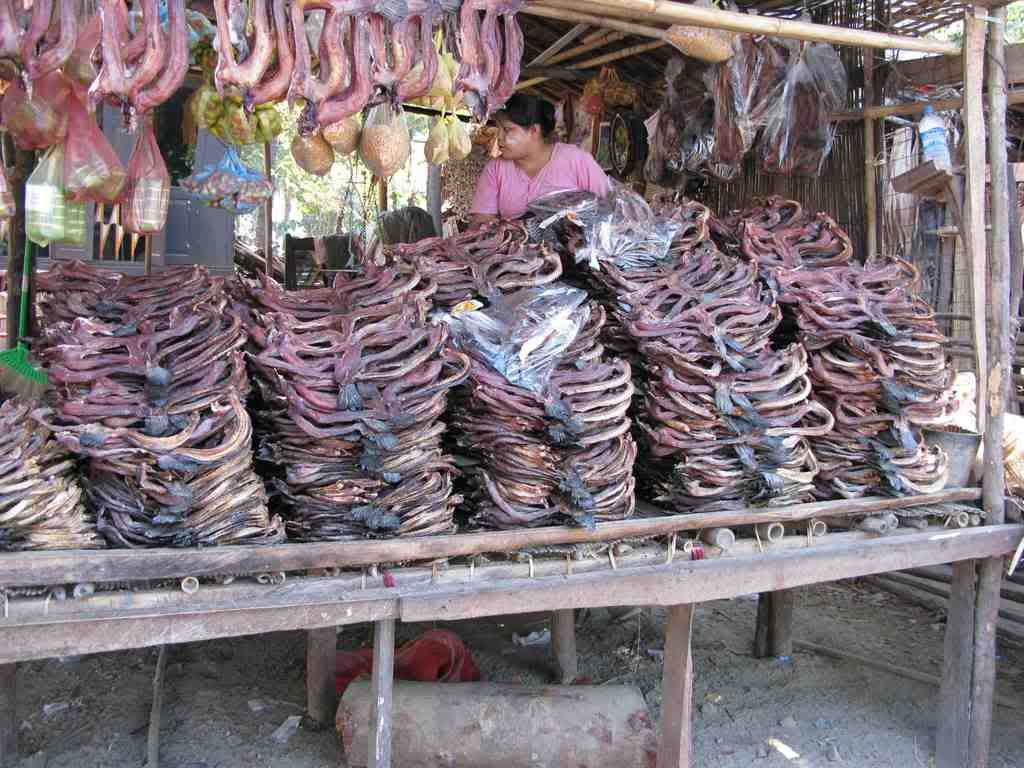
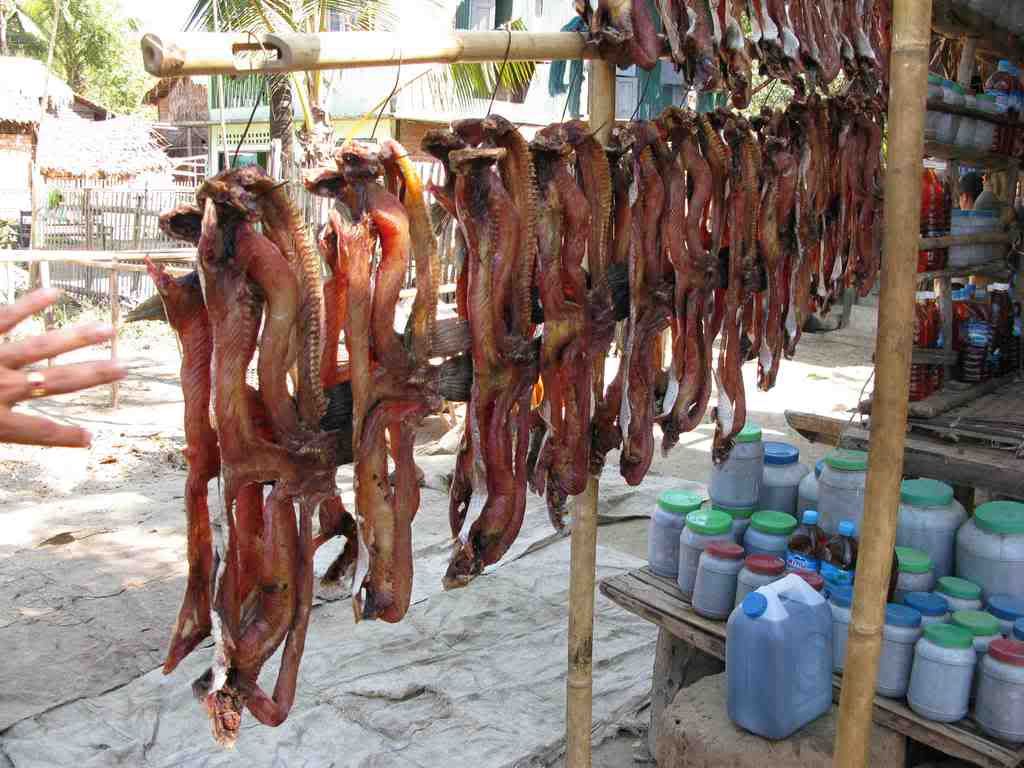
We saw a lot of similarities in the cuisines of the four countries we visited on our Southeast Asian travels. But each country also had its own special foods. One food that we saw for sale in many Myanmar markets was dried snake fish.

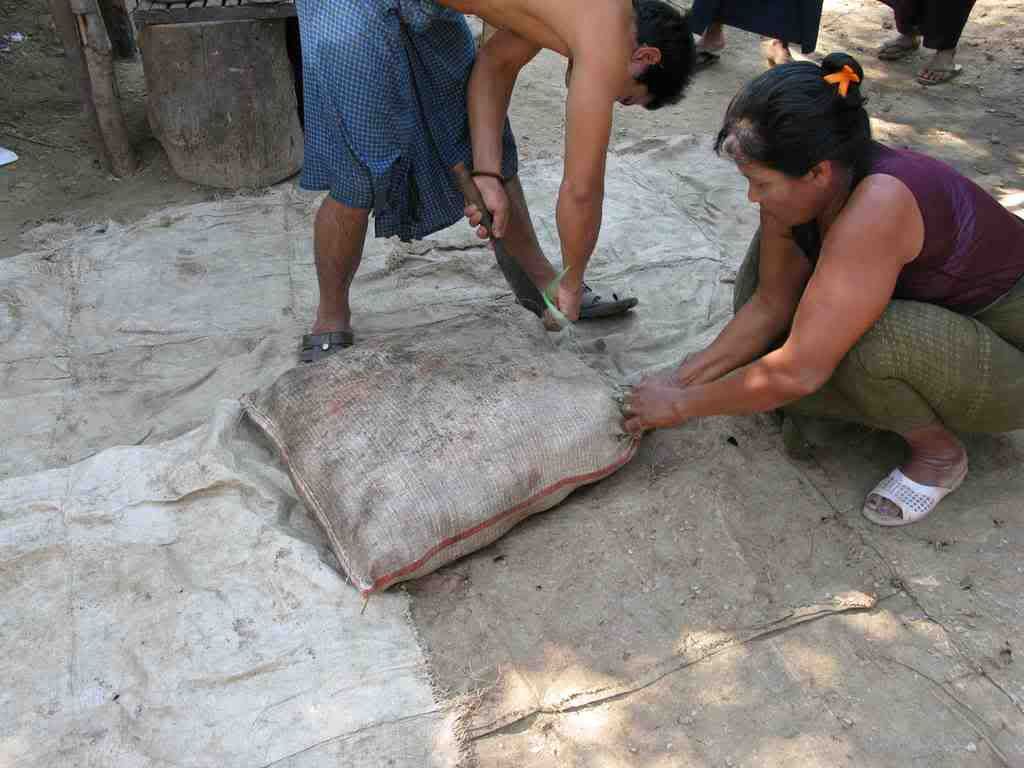
The name “snake fish” refers to the appearance of the dried fish, not the species. The fish attains its unique shape from the way in which its processors gut, clean and spread it for drying. Here, in brief, is how the fish was prepared and processed at a roadside outdoor “factory”.

The freshly-caught fish is delivered in burlap sacks. The sacks are weighed and then cut open.

The contents of the sack are dumped onto a mat on the ground, and the fish are allowed to writhe for a while as onlookers watch from a local bus.
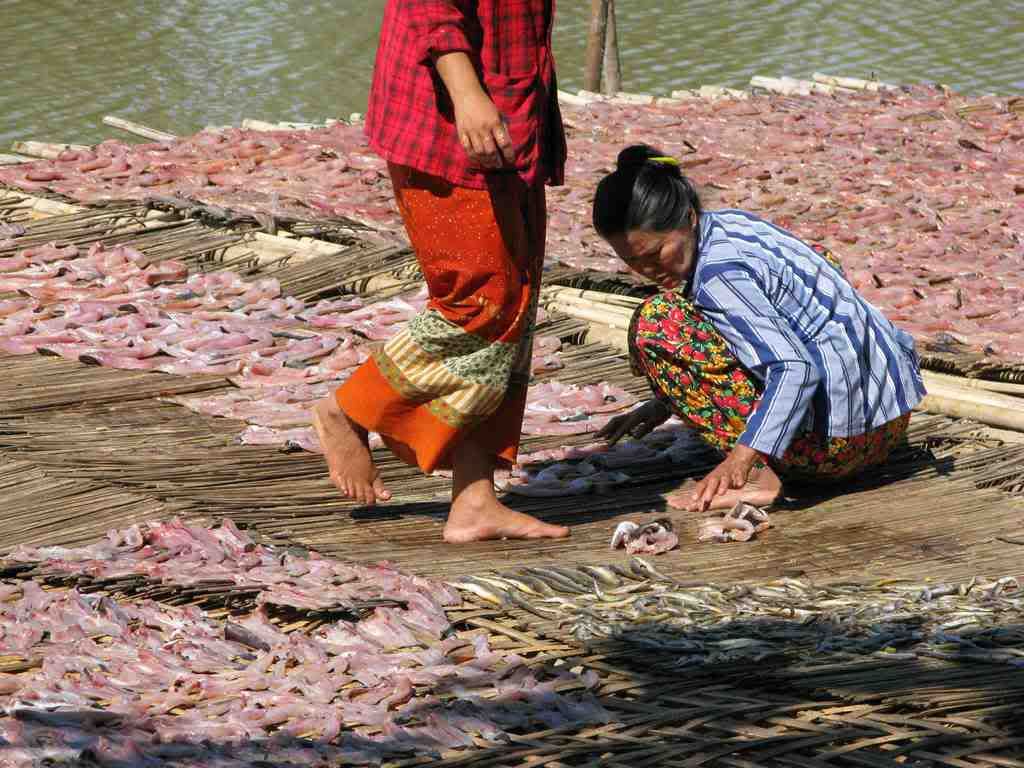
The fish are then scaled, cut open, cleaned and gutted and spread out on woven to dry in the sun.

Some of the finished product is available for sale at the “factory store”. The rest is shipped to local markets.

For the record: After watching the local villagers walking barefoot on the drying mats, we decided to forego a taste of this local delicacy.