
The first village that we visited in Bagan was on the “tourist trail”. In fact, we encountered two groups of tourists arriving at this village as we were leaving. Villagers make at least part of their income demonstrating local crafts.

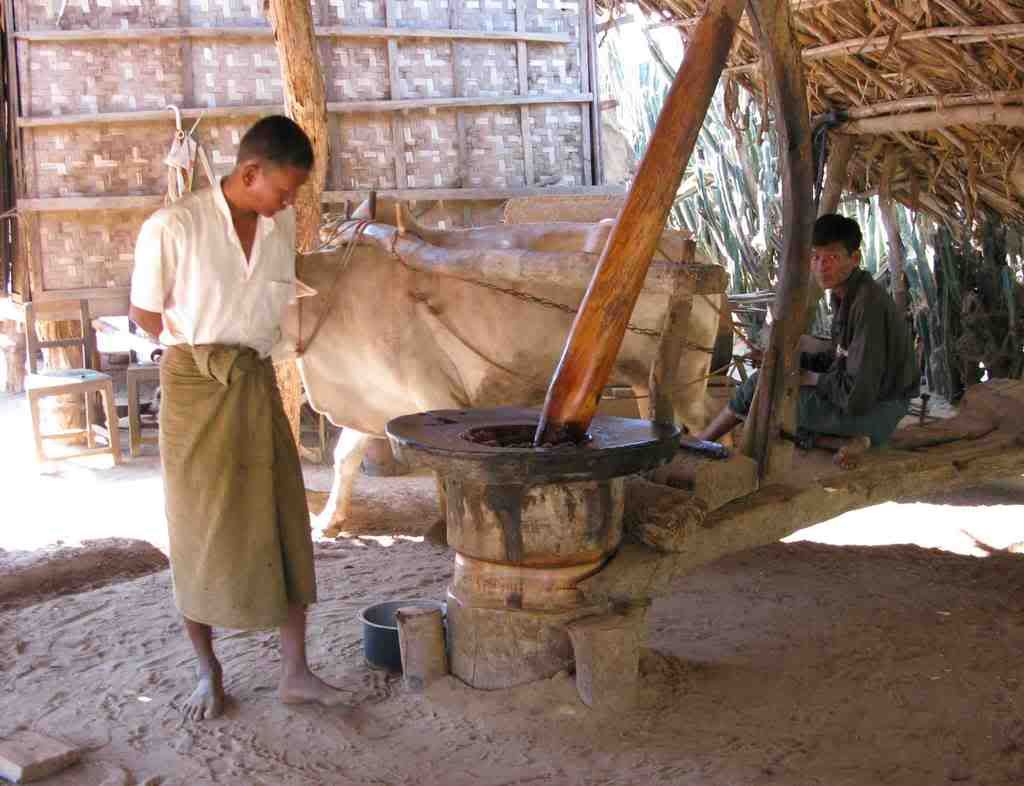
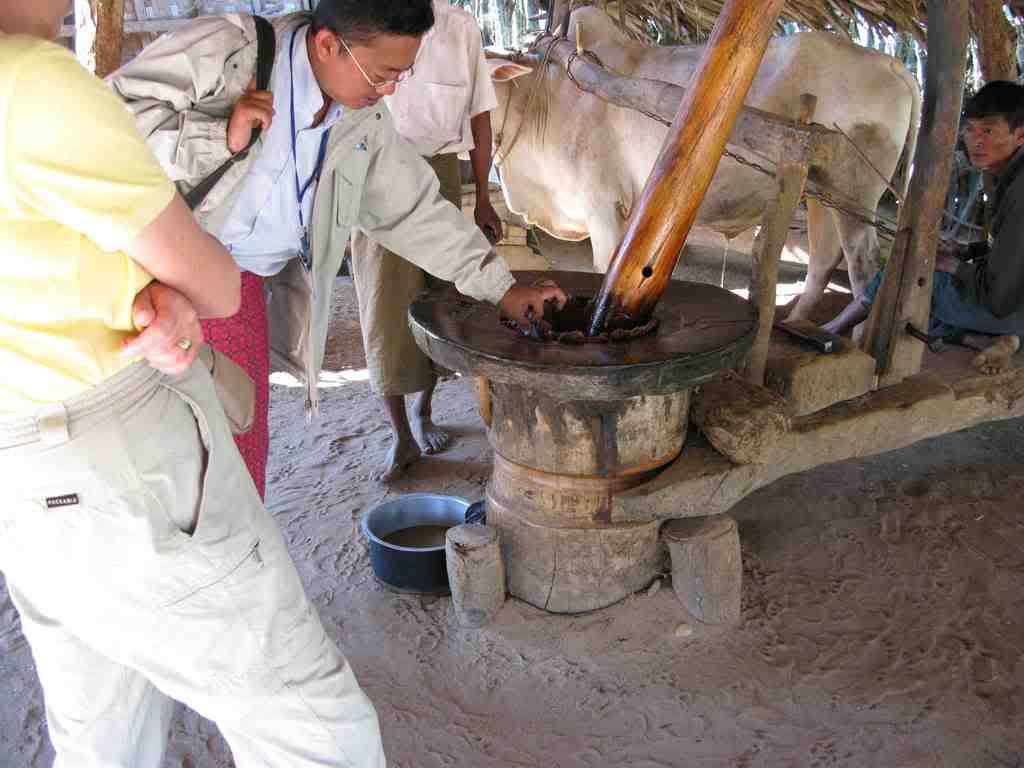
The oil drizzles out of the bottom of the press and collects in the small container just beside the mill operator’s left foot. The peanut meal that remains after grinding is fed to the chickens and oxen.
The second village we visited in the area didn’t have an oil press, but it boasted both a primary school and a general store. The family that owns the general store is considered “middle class” by Bagan standards, and is the wealthiest family in the village.
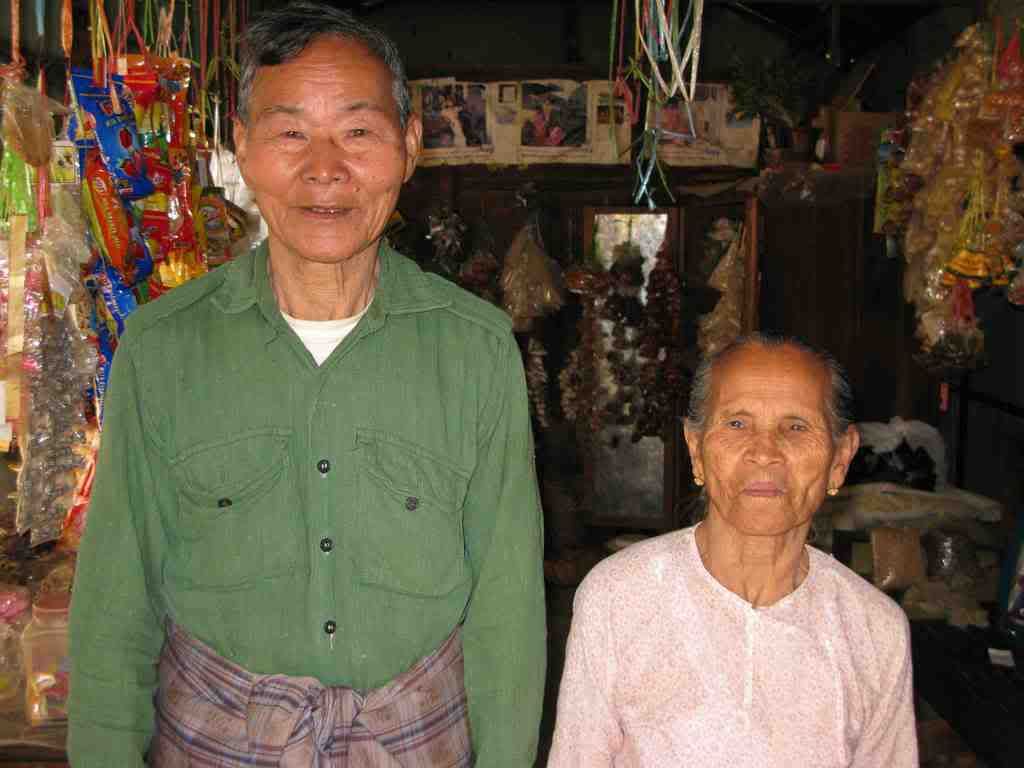
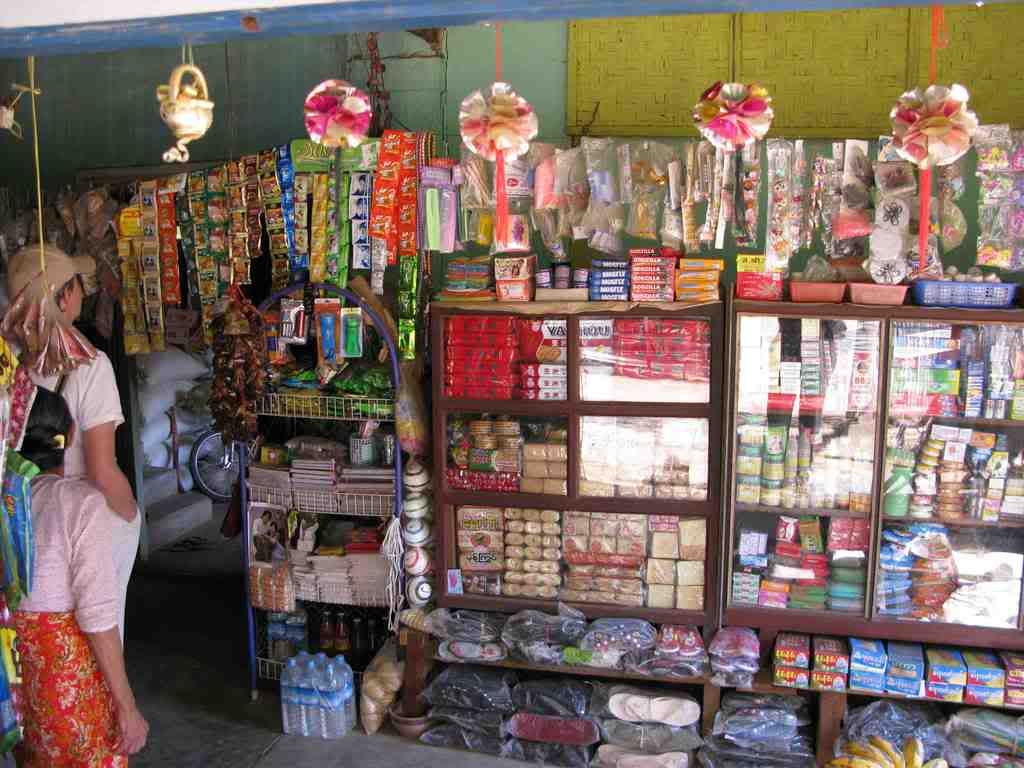
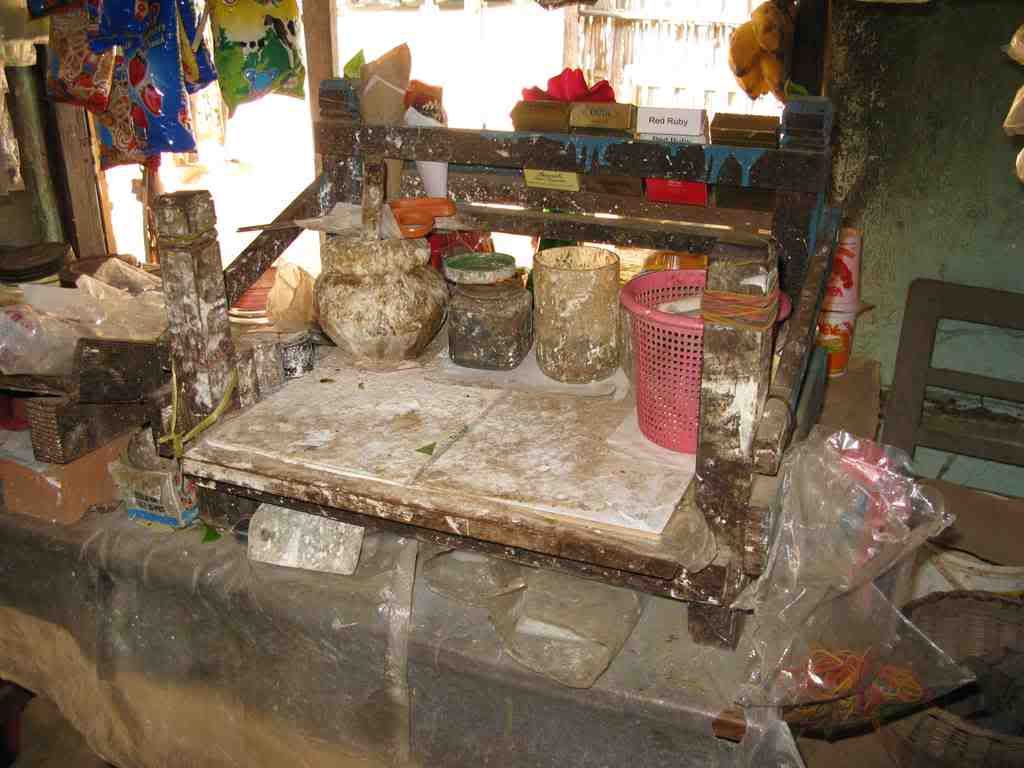
In Myanmar, tourists are not usually permitted to visit the schools. But the day we stopped by this village was a “festival” day and school wasn’t in session. We were able to tour the school house, which is divided into five open classrooms. There is just one teacher, and she is responsible for the entire student body (grades one through five).
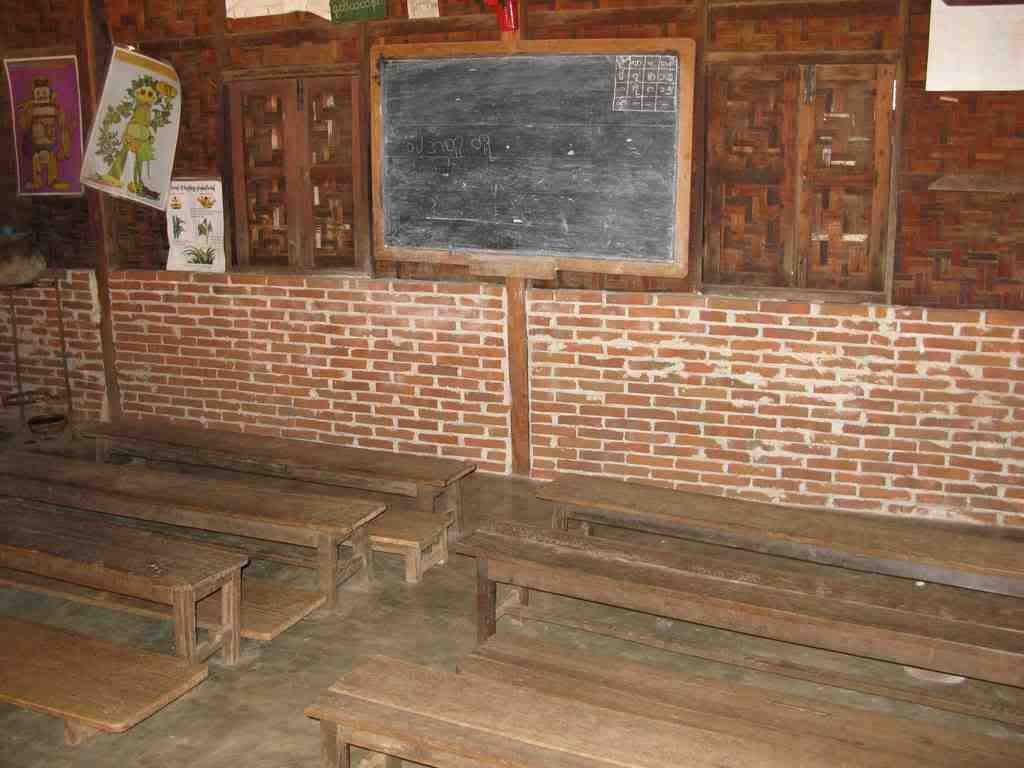
The Myanmar government provides the school building and pays the teacher’s (small) salary. It’s up to the villagers to pay for school supplies and to find the money to maintain the building. When we visited, the village was gradually accumulating a supply of bricks to repair and enlarge the school.


 eFoodAlert